
By MPA
INDAW, Myanmar — Retreating Myanmar military junta forces have been accused of committing severe war crimes after leaving poisoned bottled water behind in a newly evacuated village in Sagaing Region’s Indaw Township, ground intelligence sources confirmed on Monday.
The treacherous incident occurred in Naung Moe Village following intense clashes between joint resistance forces and elements of Light Infantry Battalion (LIB) 76, operating under the junta’s 33rd Light Infantry Division (LID 33).
Joint revolutionary units entered the village on 18 July 2026 to execute area clearance operations after junta personnel abandoned their positions. On 19 July, frontline fighters discovered sealed plastic water bottles left behind inside the village premises. Suspecting foul play, personnel offered a portion of the liquid to a thirsty stray cat, which exhibited severe poisoning symptoms and died within 20 minutes.
Indaw Township has been a focal point of intense, fluctuating military operations in northern Sagaing Region.
While allied resistance networks had previously liberated and held control over the main urban grid, military council forces launched a major counter-offensive on 30 April, deploying massive infantry columns heavily bolstered by newly trained conscripts to reoccupy the township center.
Although the junta currently maintains a fortified presence within Indaw town, joint resistance forces continue to execute active guerrilla operations, ambush supply lines, and engage regime columns across the surrounding rural villages.
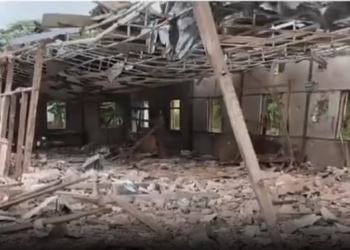
Human rights watchdogs and local defense administrators warn that the junta’s tactic of contaminating food and water supplies, alongside laying improvised landmines in abandoned civilian settlements, poses a fatal hazard to returning villagers and local livestock.
Military analysts note that as regime forces face mounting battlefield attrition and territorial losses across Upper Myanmar, frontline units are increasingly resorting to indiscriminate warfare practices—including poisoning water sources, mining residential homes, and burning food stores—in direct violation of international humanitarian law.