
By MPA
THANTLANG, Myanmar — The strategic town of Thantlang in western Myanmar’s Chin State has fallen back under the control of the military junta, marking the second time the regime has managed to claw back the heavily contested territory from pro-democracy resistance forces following weeks of grueling urban warfare.
Pro-junta propaganda apparatuses and military lobbyist channels on Telegram broadcasted the development late Thursday afternoon on 16 July 2026, claiming that military council security forces had successfully established complete administrative and physical control over the entire municipal grid.
The regime’s territorial capture follows a massive, high-intensity offensive that commenced on 4 June. A heavily armed tactical column comprising roughly 400 junta troops advanced out of the Chin State capital of Hakha, triggering fierce, continuous clashes with entrenched Chin resistance coalitions. While advanced junta units managed to breach the outer perimeters of the town by 9 June, everyday life inside Thantlang dissolved into relentless, close-quarters urban combat as localized units fought over individual sectors.
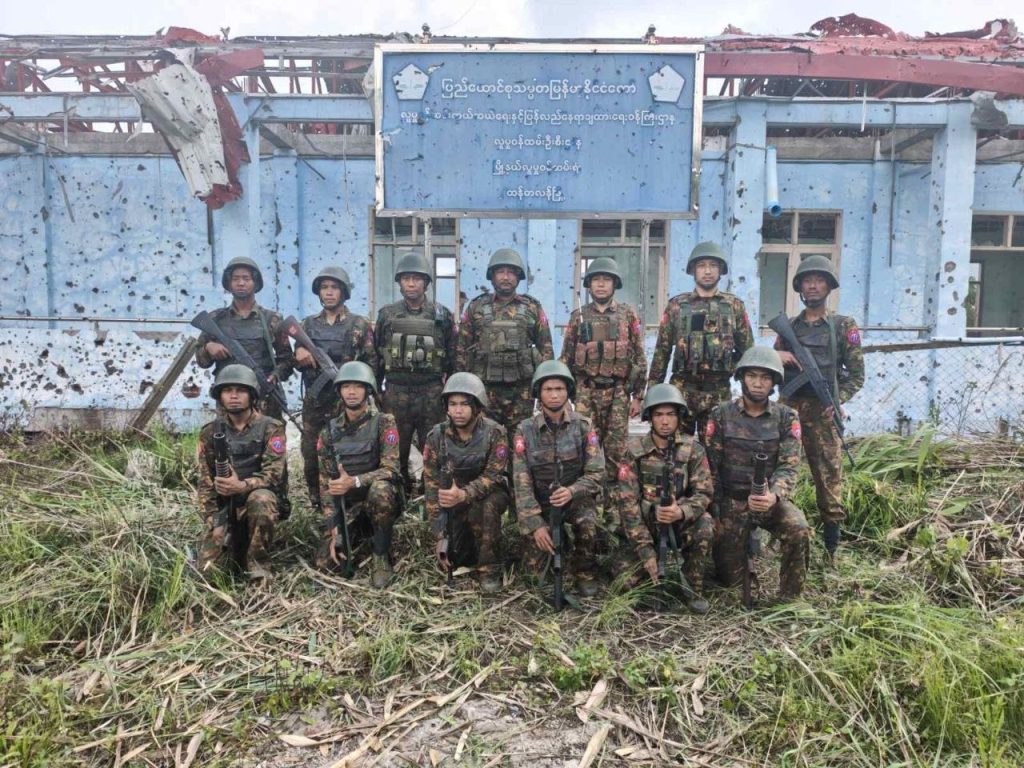
Following their initial breach on 9 June, junta forces unleashed a series of aggressive search-and-destroy sweeps against resistance strongholds, triggering consecutive days of heavy infantry clashes and artillery exchanges that eventually wore down the defenders.
Thantlang has remained at the center of a volatile, seesaw conflict:
- February 2023: A unified front comprising the Chin National Front (CNF) and the localized Chinland Defense Force (CDF) successfully liberated the town from regime control.
- October 2023: Following devastating airstrikes and scorched-earth campaigns, resistance units executed a tactical withdrawal, handing control back to the military council.
- Late 2024: The joint Chin revolutionary forces launched a successful counter-offensive, completely liberating the town for a second time.
- July 2026: Following the latest multi-week siege, the town has officially reverted back to junta military occupation.
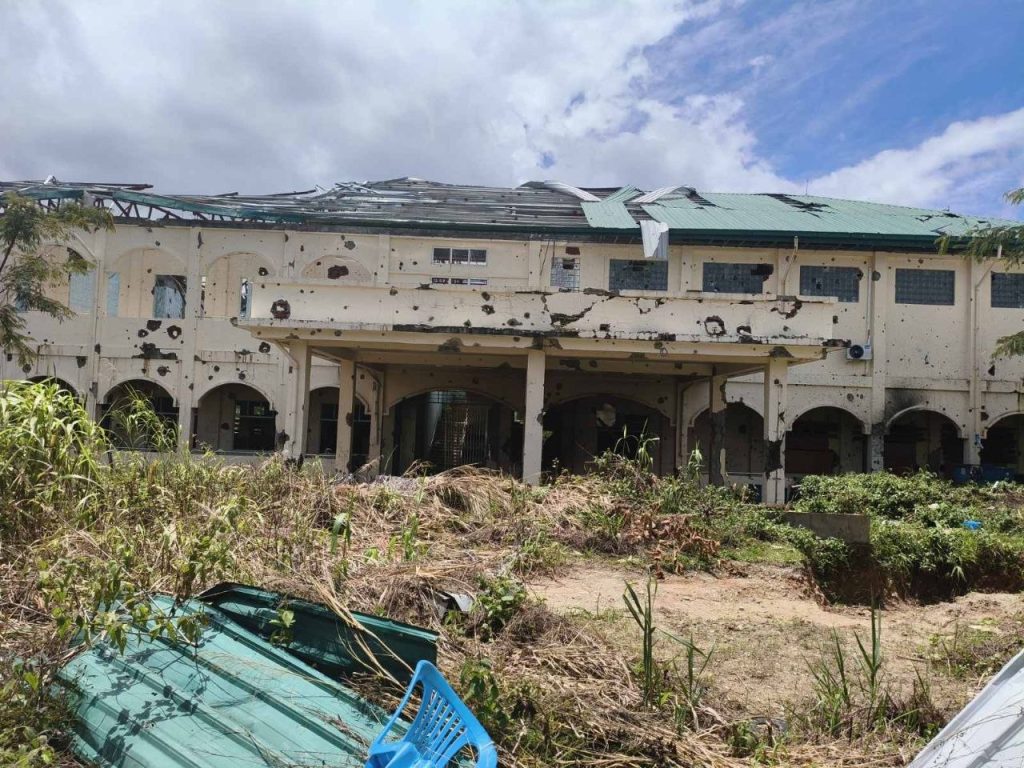
Independent military analysts evaluate the fall of Thantlang as a notable tactical setback for the anti-junta alliance in western Myanmar. The town serves as a vital geographic buffer zone protecting resistance logistics lines across the Chin hills and connecting supply hubs near the Indian border.
Field dispatches indicate that while the junta high command deployed overwhelming manpower and superior artillery blocks from its Hakha headquarters to clear the highway corridors, the regime’s hold on Thantlang remains profoundly fragile. Facing highly motivated, mobile guerrilla forces operating across the surrounding mountainous terrain, regional junta commanders will likely struggle to stabilize their overextended supply lines.
With both the CNF and CDF networks maintaining strong defensive perimeters just outside the town limits, frontline monitors predict that the battle for Thantlang is far from over, as the resistance systematically prepares to launch localized counter-attacks to break the military council’s newly established positions.