
28 April 2026 By Ra Wai
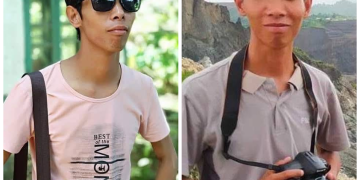
MAWLAMYINE, Myanmar — Allegations of high-level corruption have surfaced in Mon State, linking the former junta-appointed Chief Minister, Aung Kyi Thein, and the current Minister for Border and Security Affairs to a lucrative fuel smuggling and distribution monopoly.
Insiders within the regional administration claim that Raza Min Company was granted exclusive rights to import and distribute fuel in Mon State in exchange for secret shares and financial kickbacks handed to top officials, including Colonel Kyaw Swa Myint.
The scandal involves a strategic arrangement where Raza Min was reportedly allowed to bypass central bank currency regulations, using its own foreign reserves to import fuel. In return, the company was allegedly protected from legal repercussions despite documented instances of illegal sales to mining sites in Kyaikmaraw and Bilin.
“It is an open secret within the inner circles of the Mon State government,” a source close to the regional administration told MPA. “Aung Kyi Thein and the Security Minister were given significant shares in the company as a gesture of gratitude for securing their monopoly. This is why the details of their contract remain classified to this day.”
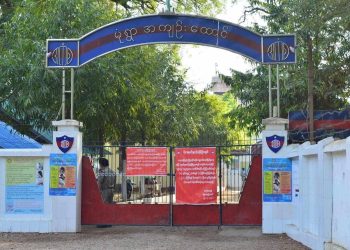
The extent of this protection became evident following a police raid on the company’s storage facility in Mudon Township. Although the company owner, Nyi Nyi Htwe, was briefly detained and charged at the Mupon Police Station for illegal fuel sales, he was reportedly released on bail almost immediately.
“The charges were a mere formality,” the source added. “With the Chief Minister standing firmly behind him, Nyi Nyi Htwe operates with virtual impunity.”
The monopoly has had a devastating impact on the local economy. Residents of Mawlamyine and surrounding townships report chronic fuel shortages and prices that are significantly higher than in other regions of Myanmar, a direct result of the lack of market competition.
The corruption allegations extend beyond fuel. Aung Kyi Thein is also accused of granting major construction projects, including the Hlaing Yadanar New City project, to the Ngwe Moe Group, a conglomerate owned by his close associate Moe Kyaw.
Reports suggest that Aung Kyi Thein maintained his position and protected his interests by paying monthly “protection fees” to Nyo Saw, a senior figure in the junta’s central leadership. Although Aung Kyi Thein has recently been removed from his post and now holds only a parliamentary seat, local sources claim he still commands significant influence over current security officials.
As the new administration takes office, there is growing pressure for a formal investigation into the fuel syndicates. “If this new government wants to prove its integrity, they must start by auditing the fuel deals,” a local businessman said. “At the very least, the people of Mon State deserve an end to the artificial shortages caused by this corruption.”
The military junta has not yet issued a statement regarding the allegations. However, the scandal underscores the deep-seated cronyism that continues to define the administrative landscape in post-coup Myanmar, where essential resources like fuel have become tools for personal enrichment at the expense of the public.