
MYEBON, Myanmar — In the heart of Rakhine State, a local youth foundation is struggling to sustain its free education program for children whose lives have been upended by years of brutal civil war.
The Lay Waddy Myochit Youth Education Foundation, established in July 2025, is appealing for urgent international and domestic support to expand its services as the new academic year approaches.
In its inaugural year, the foundation managed to provide free schooling for over 90 students, ranging from kindergarten to the seventh grade. Despite the ongoing instability, four dedicated teachers provided not only education but also essential supplies, including books, uniforms, and rain gear.
“Last year, we spent over 20 million Kyats (approx. $6,000 USD) to ensure these children had everything from pencils to umbrellas,” a foundation official told MPA. “For 2026, we aim to include students up to the ninth grade, but our funds are running dangerously low.”
The initiative specifically targets the most vulnerable: children living in displacement camps, those from impoverished backgrounds, and families where parents live with disabilities.
The foundation operates in coordination with the Arakan Education Department (AED), the educational wing of the Arakan People’s Government (ULA). It also works closely with the Humanitarian and Development Coordination Office (HDCO) to ensure that aid distribution is transparent and reaches those in the most contested areas.
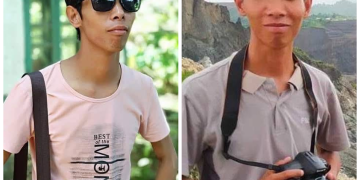
Ko Khaing Tun Linn, the foundation’s chairman, emphasized the importance of organized charity. “We encourage international donors and diaspora groups to coordinate their support through the HDCO system. It ensures that aid is distributed fairly and reaches the areas that need it most,” he said.
The educational crisis in Rakhine State is not merely logistical. Educators warn that a generation of children is suffering from deep psychological trauma. Instead of focusing on their lessons, many students spend their school hours listening for the dreaded sound of jet fighters or heavy artillery.
While the ULA/AA has attempted to maintain some semblance of normalcy by holding basic examinations in safe zones and setting up temporary learning centers, the needs remain overwhelming. There is a critical shortage of teaching materials, textbooks, and volunteer teachers.
Beyond immediate supplies, there is a growing demand for long-term solutions. Observers note that Rakhine youth need curricula and certifications that are internationally recognized, allowing them to pursue higher education abroad or in a post-conflict Myanmar.
“The efforts of local charities are heroic, but they cannot do it alone,” one education observer noted. “Only through the direct involvement of organizations like UNICEF and other international education bodies can we ensure that the future of Rakhine’s youth is not permanently stunted by this war.”
As the conflict shows no sign of abating, the survival of initiatives like the Lay Waddy foundation remains a fragile lifeline for thousands of children caught in the crossfire of a forgotten war.