
NAYPYIDAW, Myanmar — China’s newly appointed ambassador to Myanmar, Ms. Ma Jia, has expressed confidence that the country will “prosper” under the leadership of Senior General Min Aung Hlaing, marking the first formal diplomatic endorsement of the junta chief’s self-styled presidency.
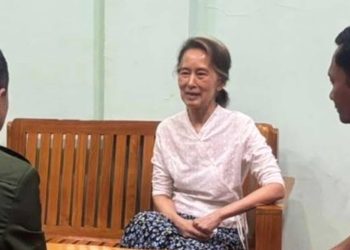
During a meeting held in the capital on Friday, Ambassador Ma Jia delivered a congratulatory message from Chinese President Xi Jinping. She is the first foreign diplomat to meet Min Aung Hlaing since he was named President by a military-controlled national assembly—a transition widely condemned by Western nations and domestic resistance forces as a sham.
While the ambassador spoke of prosperity and development, the reaction from political observers has been one of deep skepticism. “Myanmar has faced a total economic and social collapse since the 2021 coup,” one Yangon-based analyst told MPA. “China’s endorsement ignores the stark reality on the ground. It is a clear move to provide diplomatic cover for the junta in exchange for the protection of Beijing’s strategic and economic interests.”
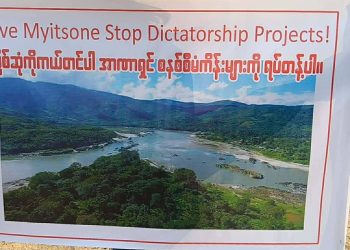
The endorsement comes at a critical time for Beijing, which has been negotiating with both the junta and ethnic armed groups to secure its multi-billion dollar infrastructure projects and reopen vital border trade routes that have been paralyzed by the ongoing civil war.
Human rights activists have reacted with fury to the Chinese envoy’s remarks, pointing out that the 2025-26 elections managed by the military excluded major parties like the NLD and stripped millions of citizens of their right to vote.
“To claim that progress will follow an election that ignored the will of 13 million people is an insult to every citizen of Myanmar,” an activist stated. “Beijing is once again choosing to side with an authoritarian regime over the democratic aspirations of the people.”
China’s rapid recognition of the new administration highlights the widening divide between regional powers and Western governments. While the United States, the UK, and the EU have intensified sanctions and urged a rejection of the junta’s administrative maneuvers, Beijing appears focused on stability at any cost—even if that stability remains largely illusory.
Military and political experts suggest that China’s involvement in post-earthquake reconstruction in Mandalay and its diplomatic support for the “new” government are part of a broader strategy to maintain its sphere of influence in Southeast Asia.
Resistance forces have warned that by backing a leadership rejected by its own population, China risks damaging long-term relations with the people of Myanmar. As the conflict intensifies and the junta continues its campaign of airstrikes and arson across the country, the ambassador’s optimistic projections of “prosperity” stand in stark contrast to the daily survival struggle of millions.
For Min Aung Hlaing, the meeting with Ms. Ma Jia represents a significant diplomatic victory. For the people of Myanmar, however, it is a reminder that the path to democracy remains fraught with international power politics that often prioritize geostrategic gains over human rights.