
YANGON, Myanmar — More than 2,100 women have been killed by the Myanmar military in the five years since the 2021 coup, according to a stark new report released on the 26th anniversary of the Assistance Association for Political Prisoners (AAPP).
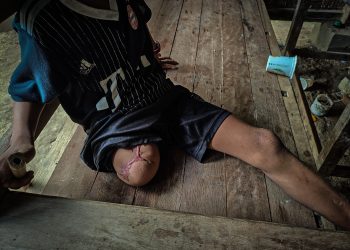
The report, titled “Oppressed Women Behind Barbed Wire,” reveals that at least 40 of these victims died while in custody within police stations, military interrogation centers, and prisons.
U Tate Naing, the Secretary of AAPP, warned that the official figures likely underestimate the true scale of the tragedy. “There are undoubtedly many more who have perished without documentation or public knowledge,” he said.
The document highlights the specific cases of seven women—including Ma Nway Ni Win, Ma Yin Moe, and Daw Myint Myint Than—who died as a result of torture, severe medical neglect, and a complete lack of emergency preparedness within the penal system.
Despite these losses, U Tate Naing noted that women remain at the vanguard of the anti-dictatorship movement. “The sacrifices have been immense, but women continue to fight with unwavering resolve for democracy and human rights,” he added.
According to AAPP’s latest data, covering the period from February 1, 2021, to March 22, 2026, the military has detained a total of 30,667 political prisoners. Of these, 6,337 are women, accounting for approximately 21% of all political detainees in the country.
The data shows that women in urban centers and resistance strongholds have been most at risk:
- Yangon Region saw the highest number of female arrests.
- Mandalay Region recorded the second-highest total.
- Sagaing Region ranked third, reflecting the intense conflict in the country’s rural heartland.
As of March 23, 2026, the confirmed death toll for women stands at 2,141. The causes of death vary from direct battlefield casualties and indiscriminate airstrikes to targeted executions and abuse in detention.
The findings have sparked renewed calls from international human rights organizations for targeted sanctions against the sham government’s military leadership and a referral of the situation in Myanmar to the International Criminal Court. For the thousands of women still languishing in Myanmar’s jails, the report serves as a grim reminder of the high price of dissent in a nation still gripped by civil war.