
By Hlaing / MPA (Photo Story)
“I am a son of the Yaw, raised amidst the rhythmic clatter of looms and the scent of traditional handwoven fabrics,” sings local artist Ko Taw Thar Gyi. His lyrics paint a vivid picture of the Yaw region—a rugged, isolated land tucked between the Pontaung Pone Nya mountains and the towering Chin Hills.
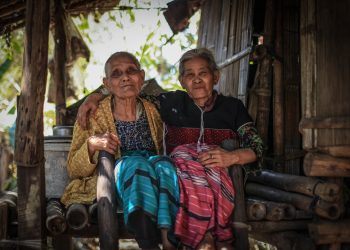
Due to its treacherous geography and difficult transport links, the Yaw region remains largely unknown to the outside world. Home to the Taung Thar, Chin Pone, Pyu, and Bamar peoples across townships like Gangaw and Tilin, it is a mosaic of ancient cultures.
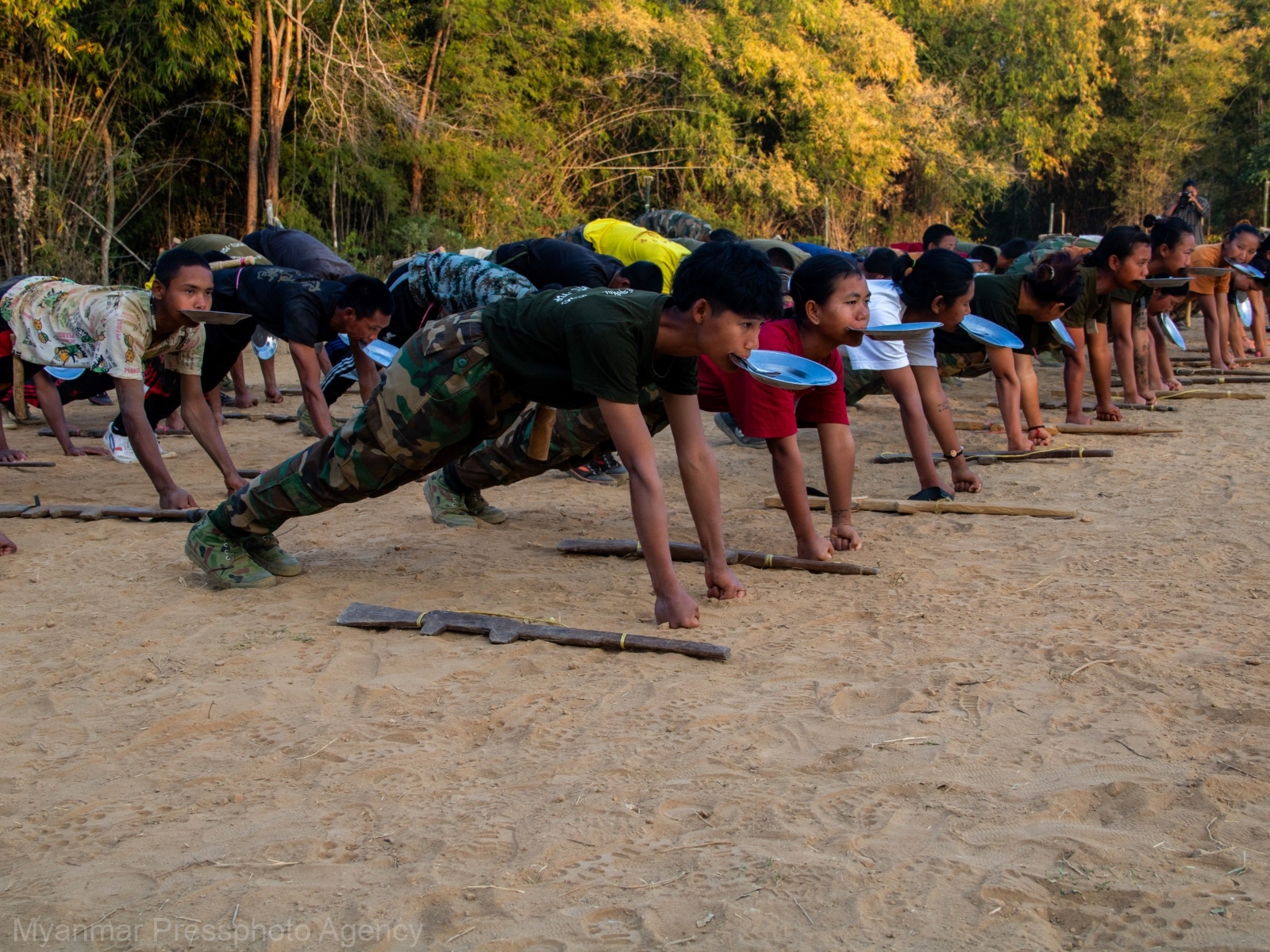
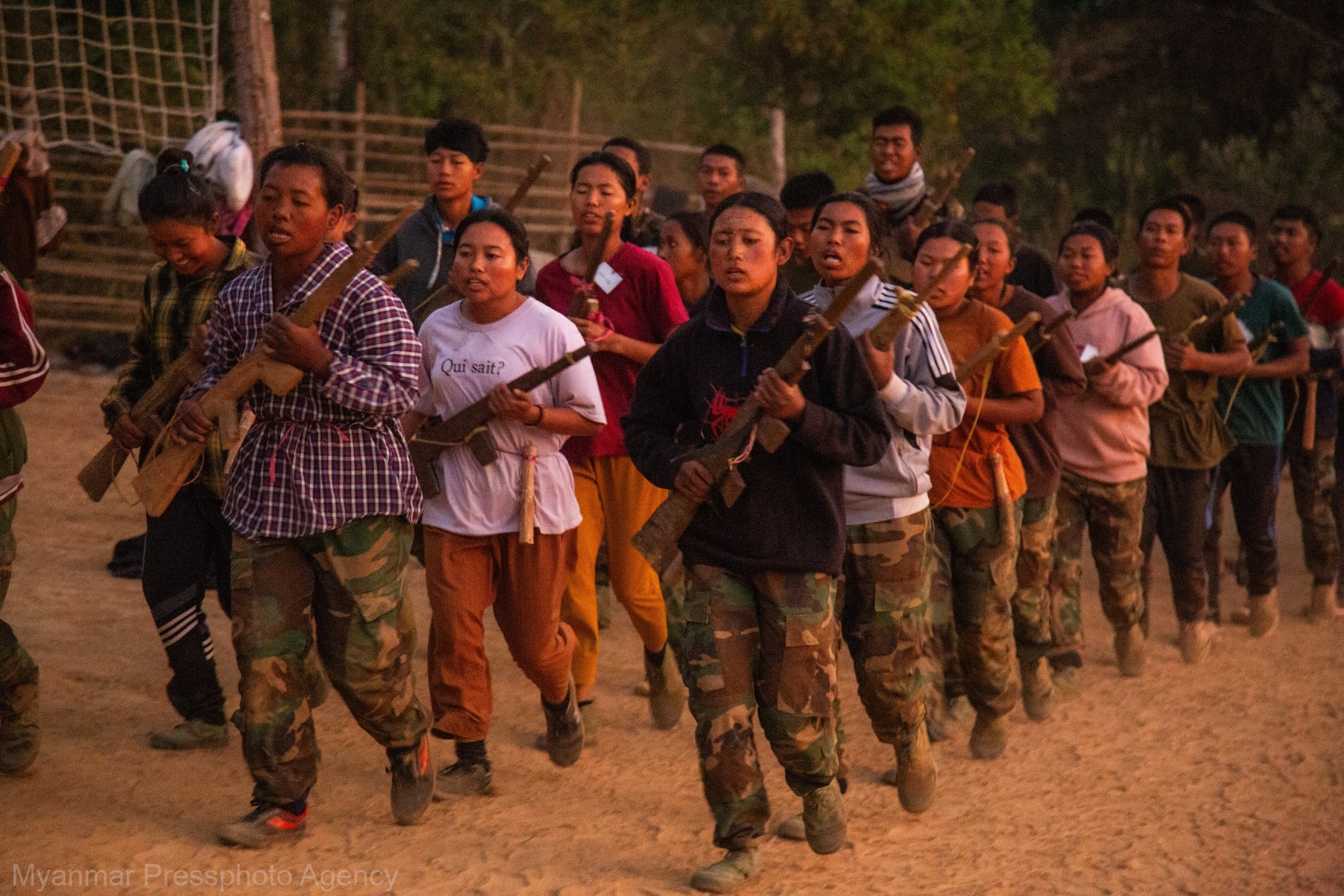
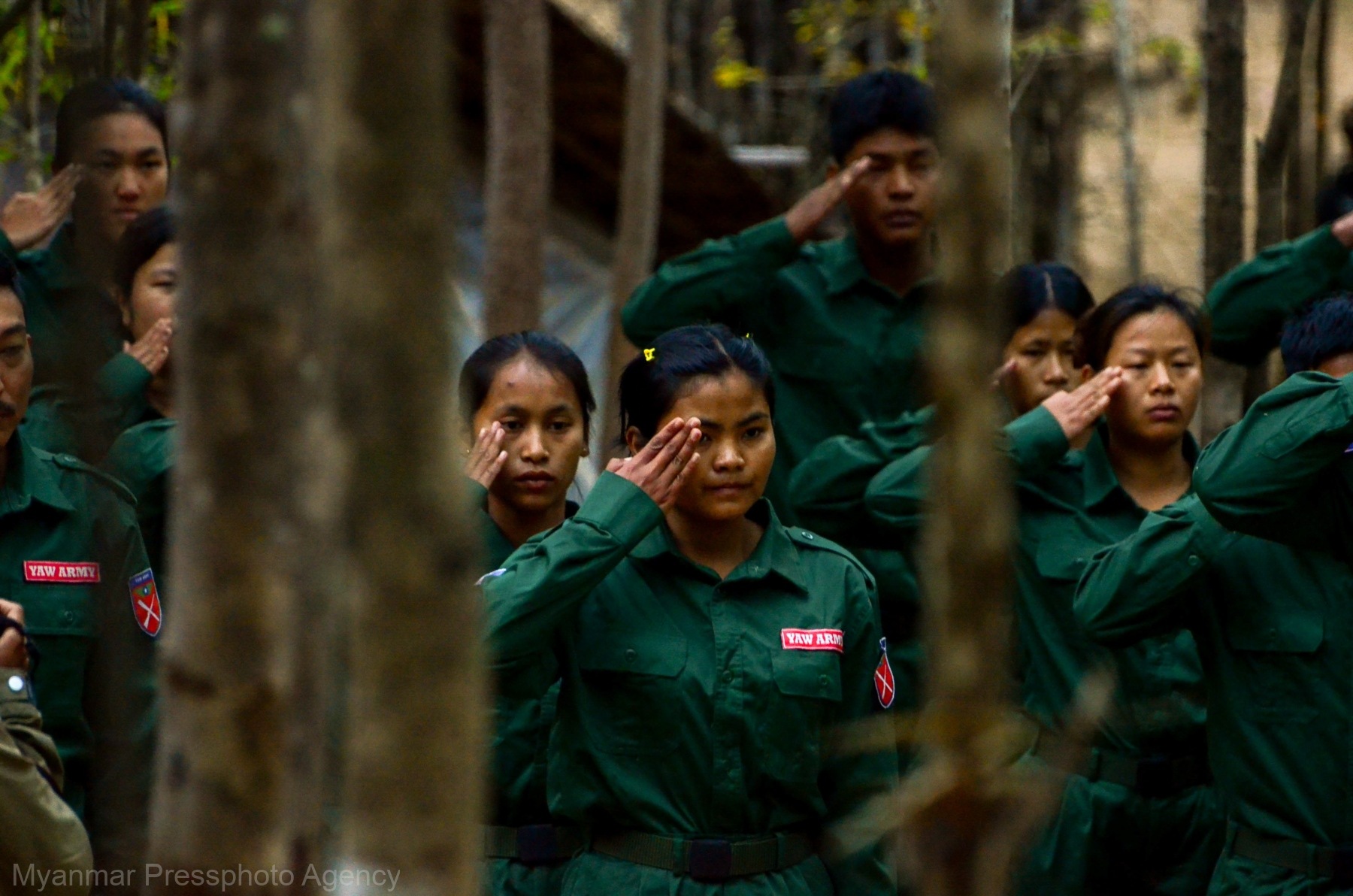
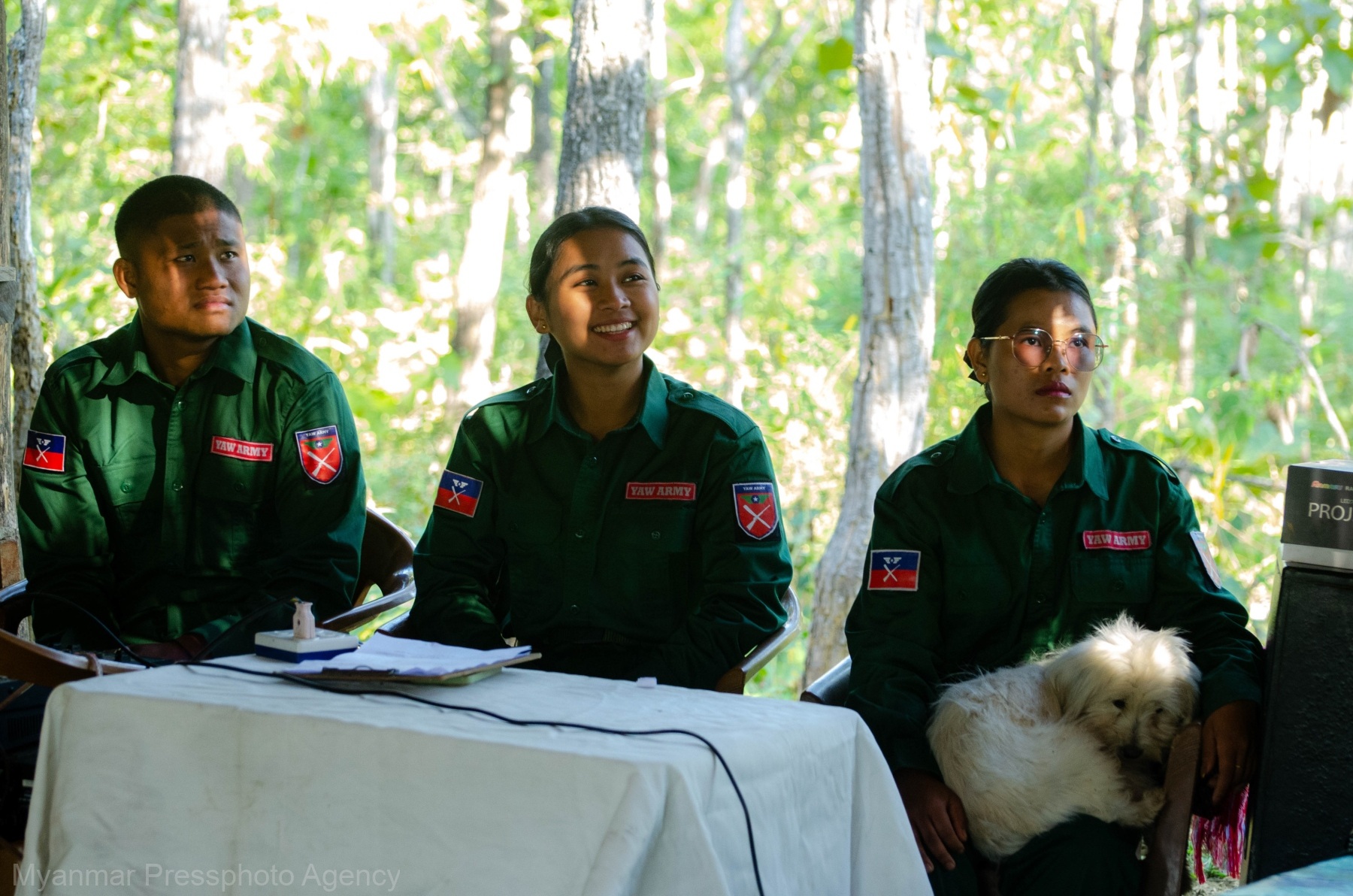
Yet, since the 2021 military coup, this quiet region has transformed into a bastion of armed resistance. Among the local forces is the Yaw Army (YA), founded on four ultimate goals: the total uprooting of the dictatorship, regional liberation, the right to self-determination, and the birth of a Federal Democracy.
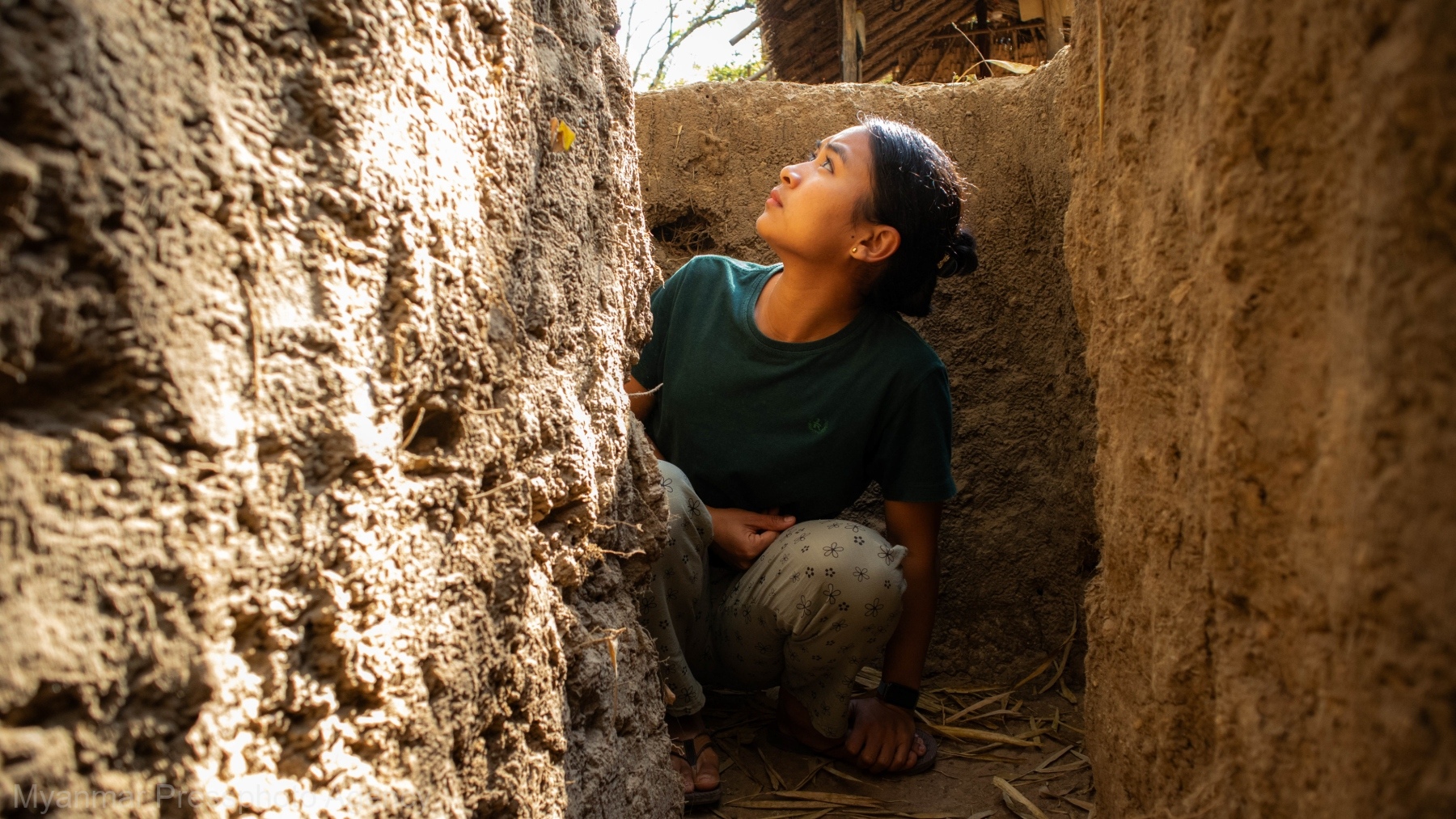
Behind every soldier on the front line stands a woman—medics and logistics specialists—whose roles are as vital as those holding the rifles.
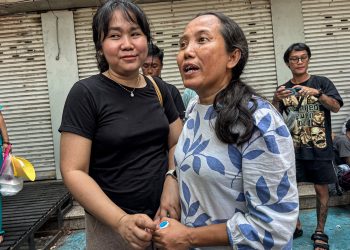
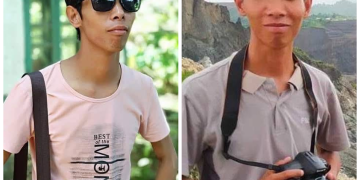
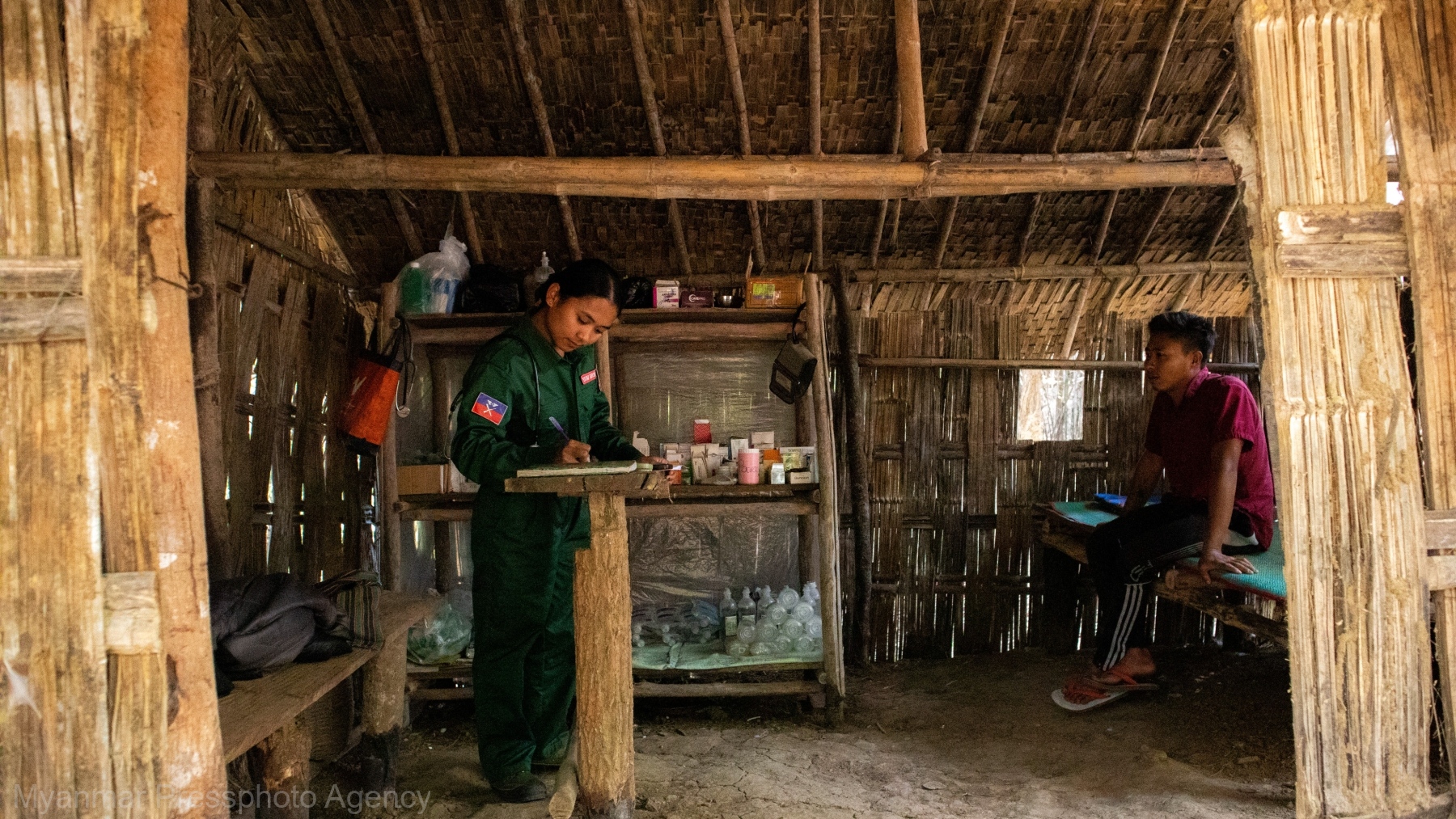
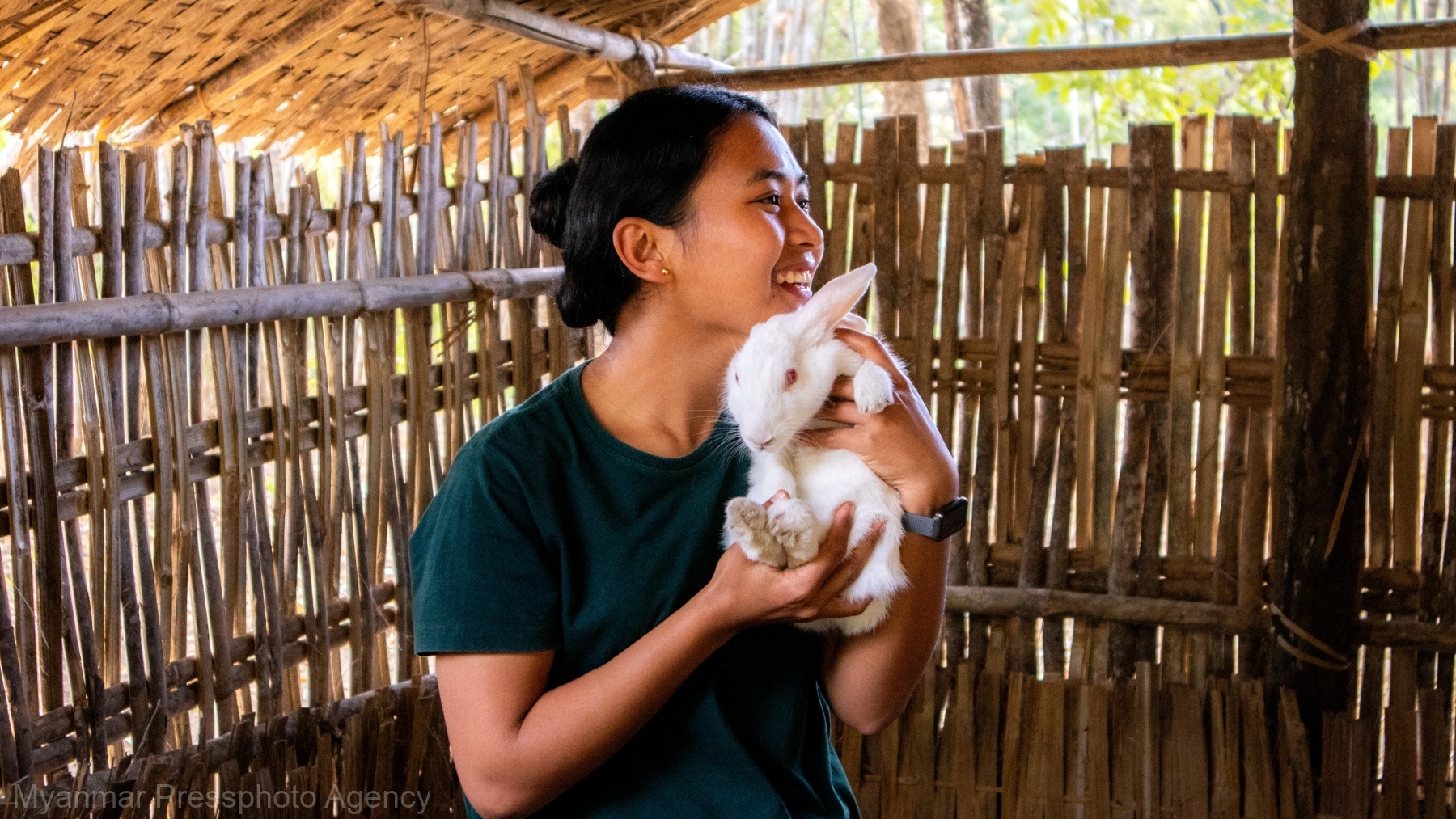
Ma Aye Aye Nyein, 25, was a second-year nursing student in Pakokku before the coup. Today, she is the Deputy Head of the Yaw Army’s Medical Unit. Speaking with the rhythmic lilt of her native Yaw accent, she is known for her resilience and an ever-present smile, even in the darkest hours.
When the military seized power on February 1, 2021, Aye Aye Nyein joined the Civil Disobedience Movement (CDM). Despite threats of expulsion from her college, she stood firm. “I decided I wouldn’t go back until this revolution was won,” she recalls.
Her turning point came after watching a video of a young protester being dragged brutally across asphalt by junta forces. “I cried all night so my parents wouldn’t hear. My heart ached. I vowed then to fight in any way I could.”
In December 2021, without telling her parents, she and three cousins slipped away to join the resistance. She left with only a small backpack, a phone, and 15,000 Kyats (approx. $5 USD). Now, she uses her medical training to treat wounded comrades and provide free healthcare to displaced civilians.
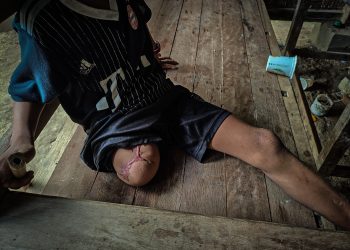
The revolutionary path has been paved with grief. In May 2023, her close friend and fellow medic, Aso, was killed in battle. His body was never recovered. More recently, on December 8, 2025, her partner, Corporal Banya, fell during a battle to seize a pro-junta village. He was just five days shy of his 22nd birthday.
“He put the revolution before his family and before our love,” she says. “When I heard he was gone, I felt an immense void. But these losses only make my resolve stronger. If we don’t feel the pain, we won’t fight for the finish.”
While Aye Aye Nyein saves lives, others like Ma Swe Maw Zin (nicknamed Mi Wine) provide the essential gear that keeps the army moving. Mi Wine was just 18 and a high school student when the coup upended her life.
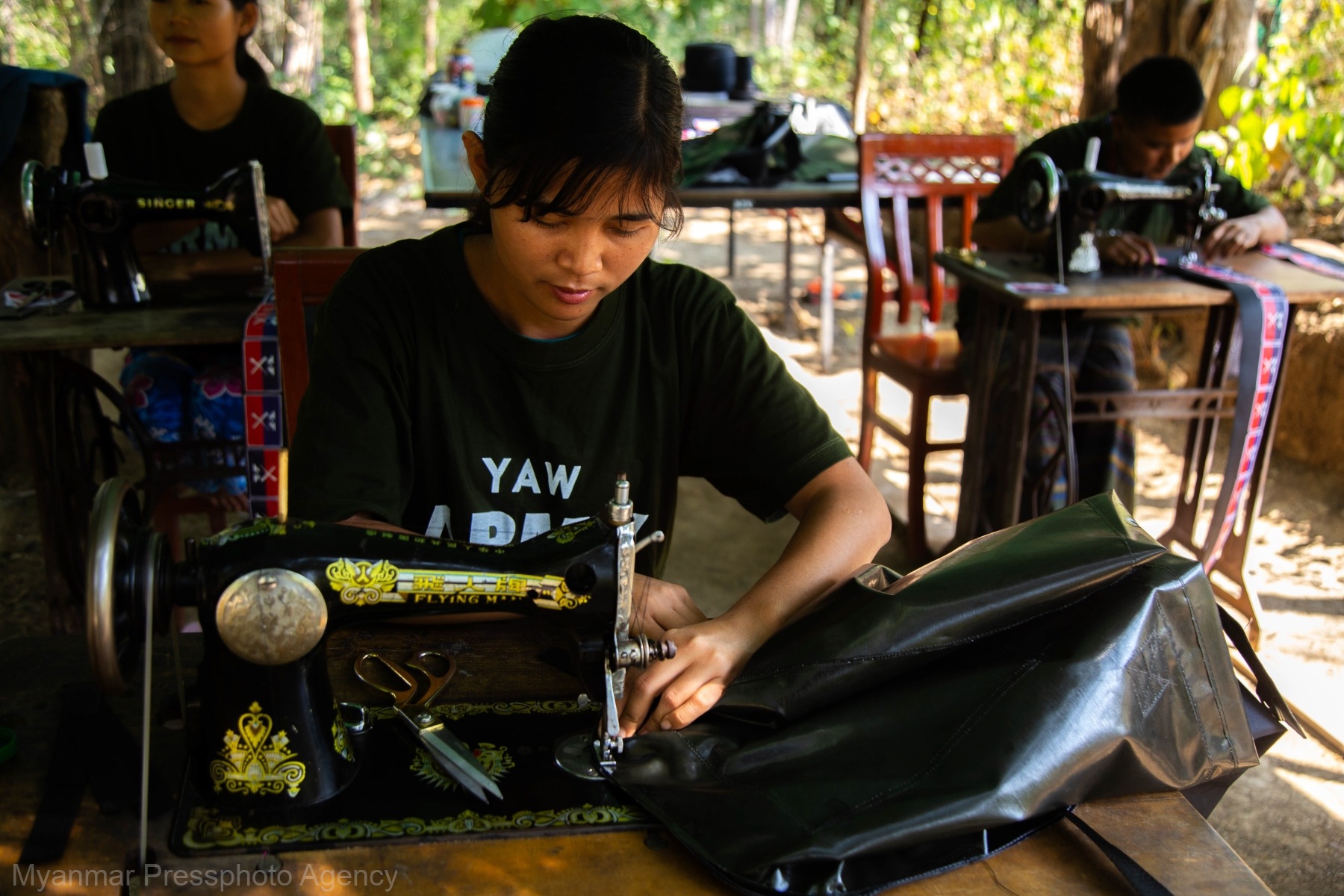
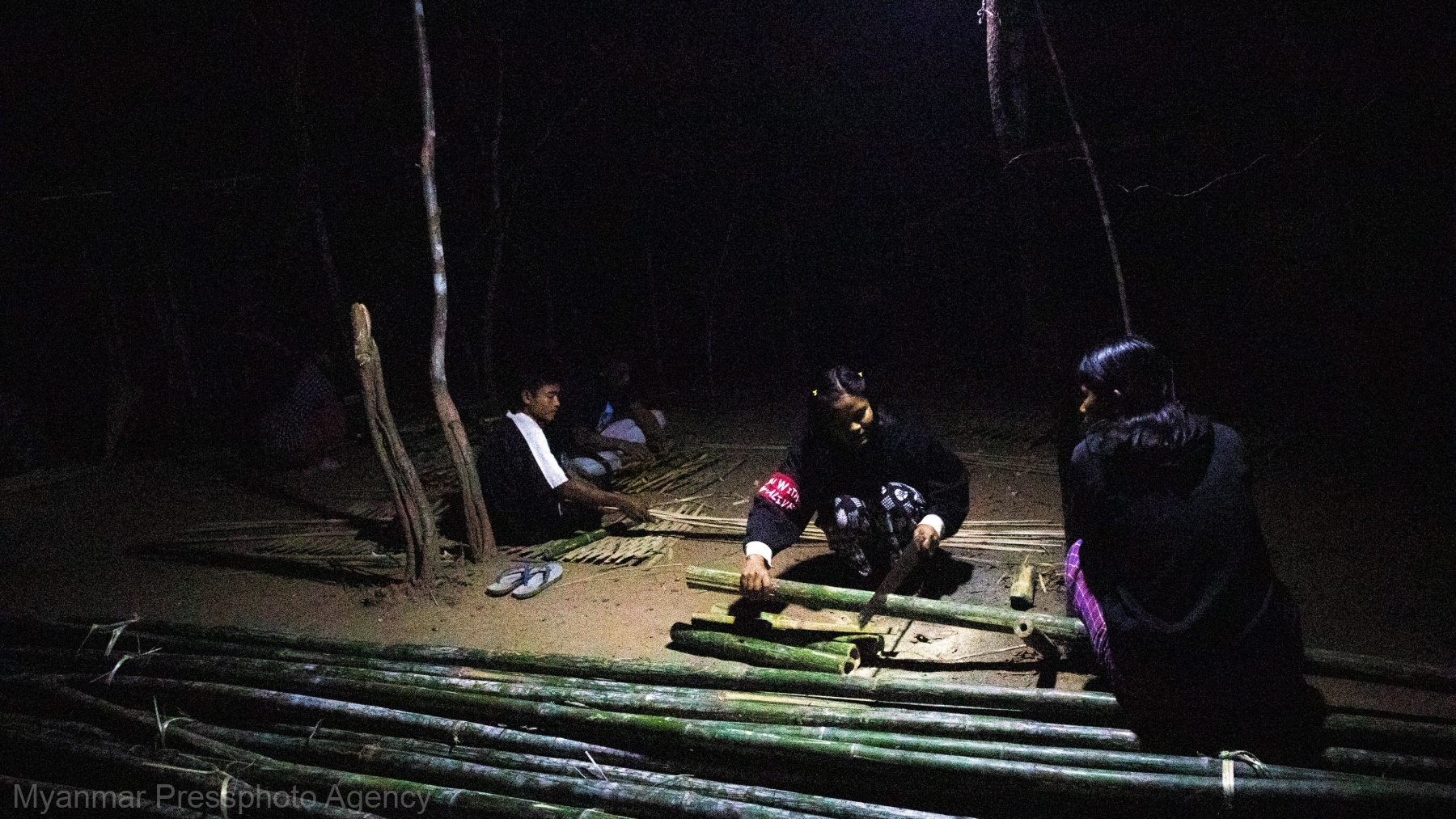
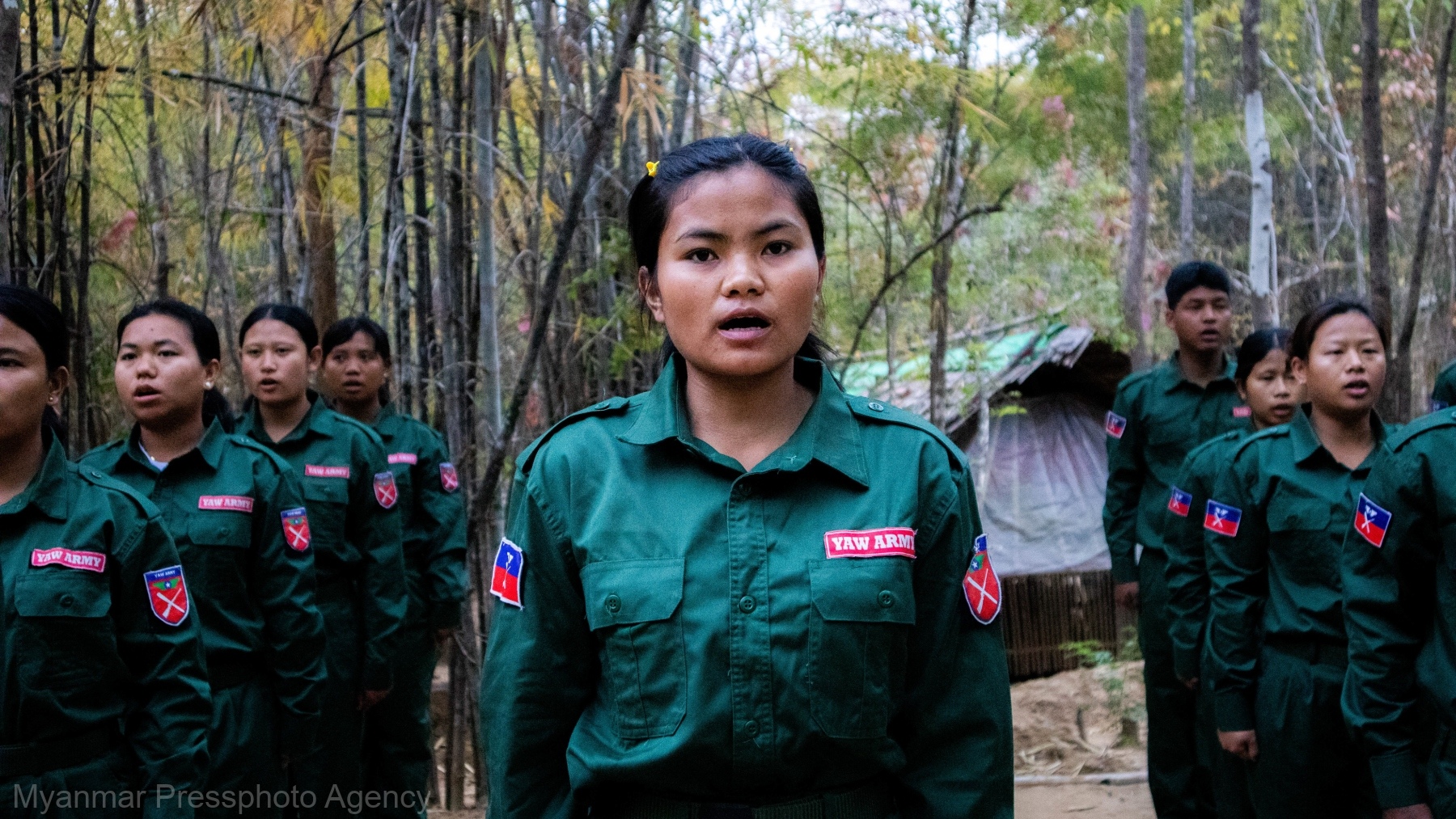
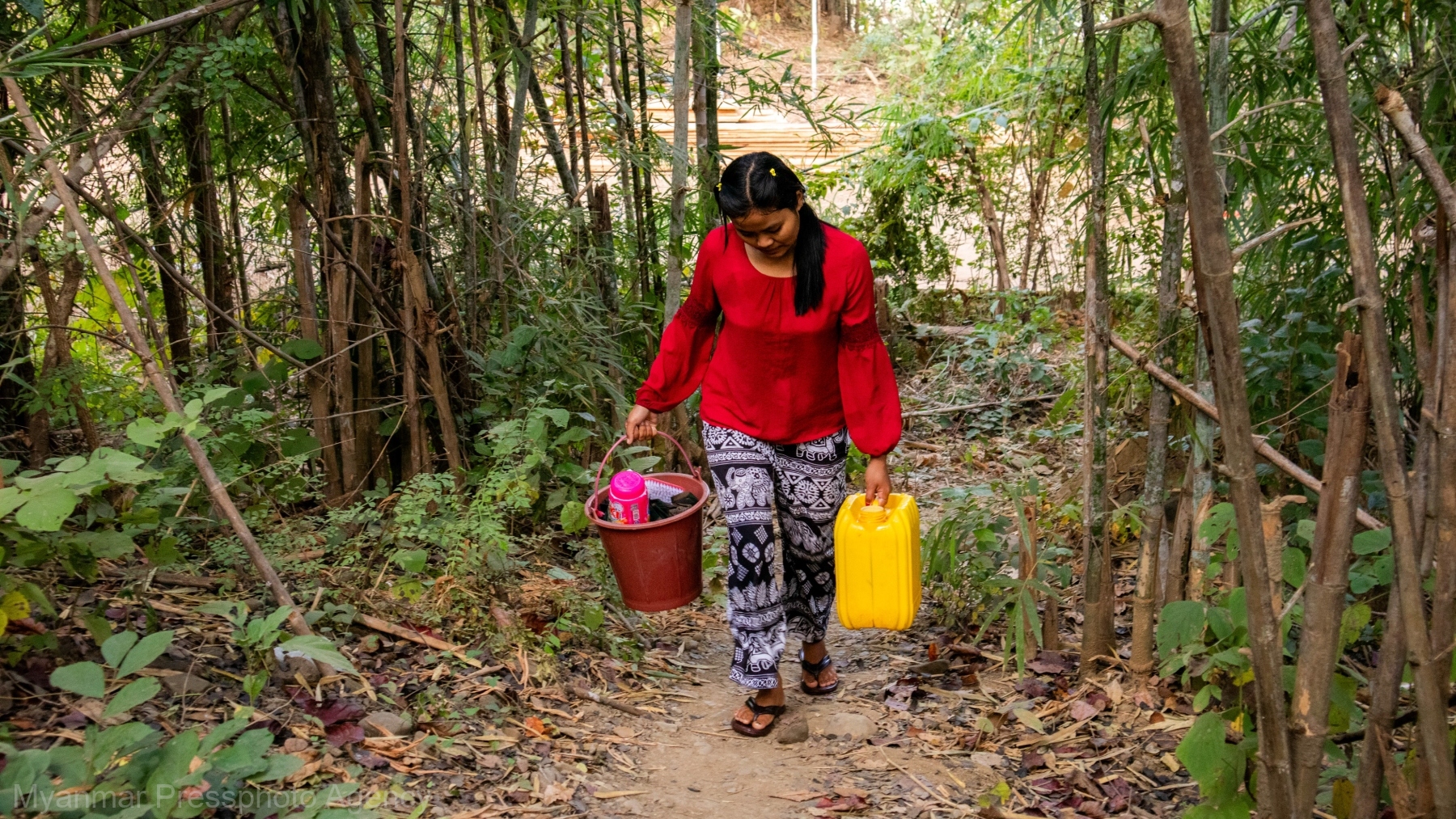
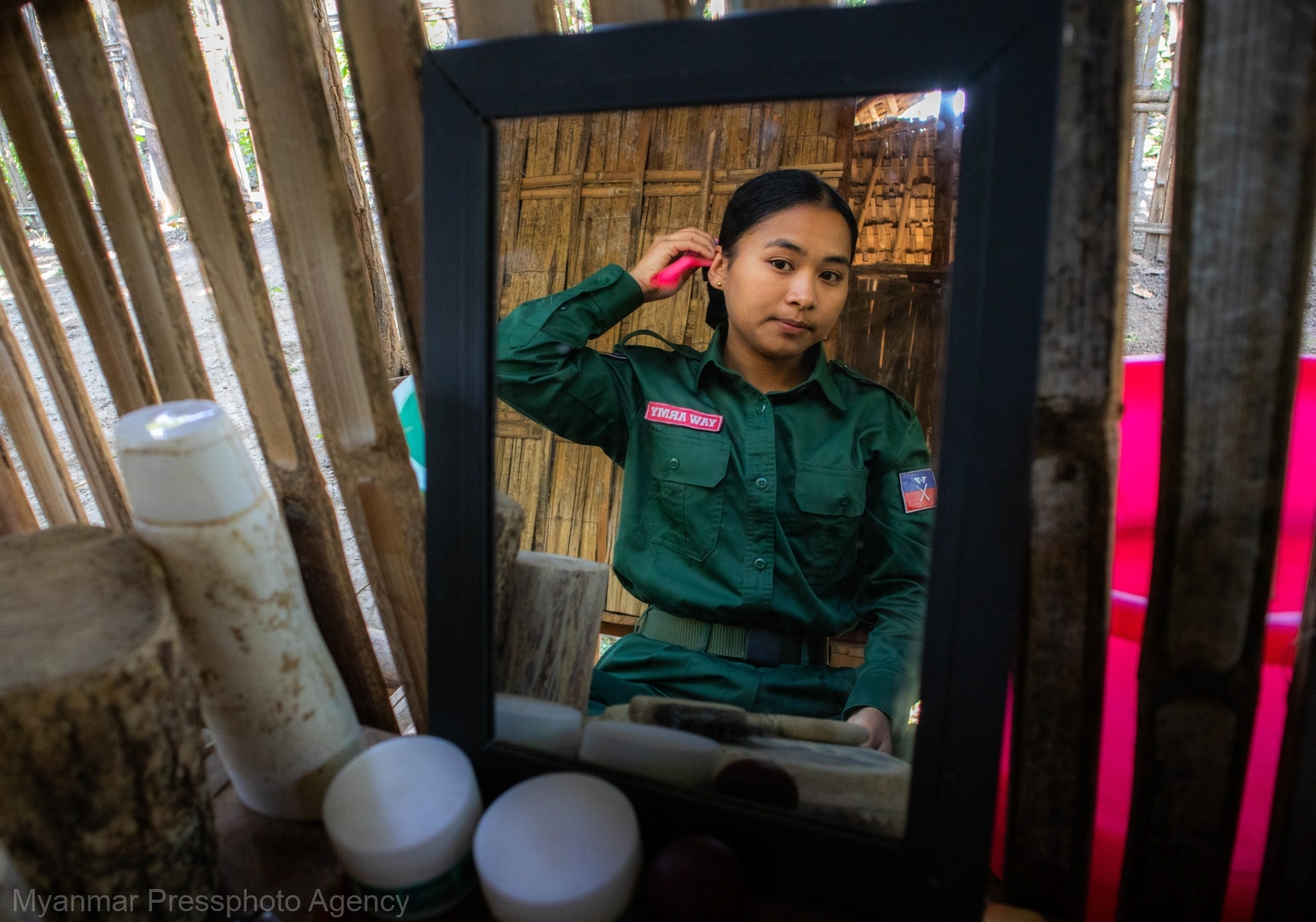
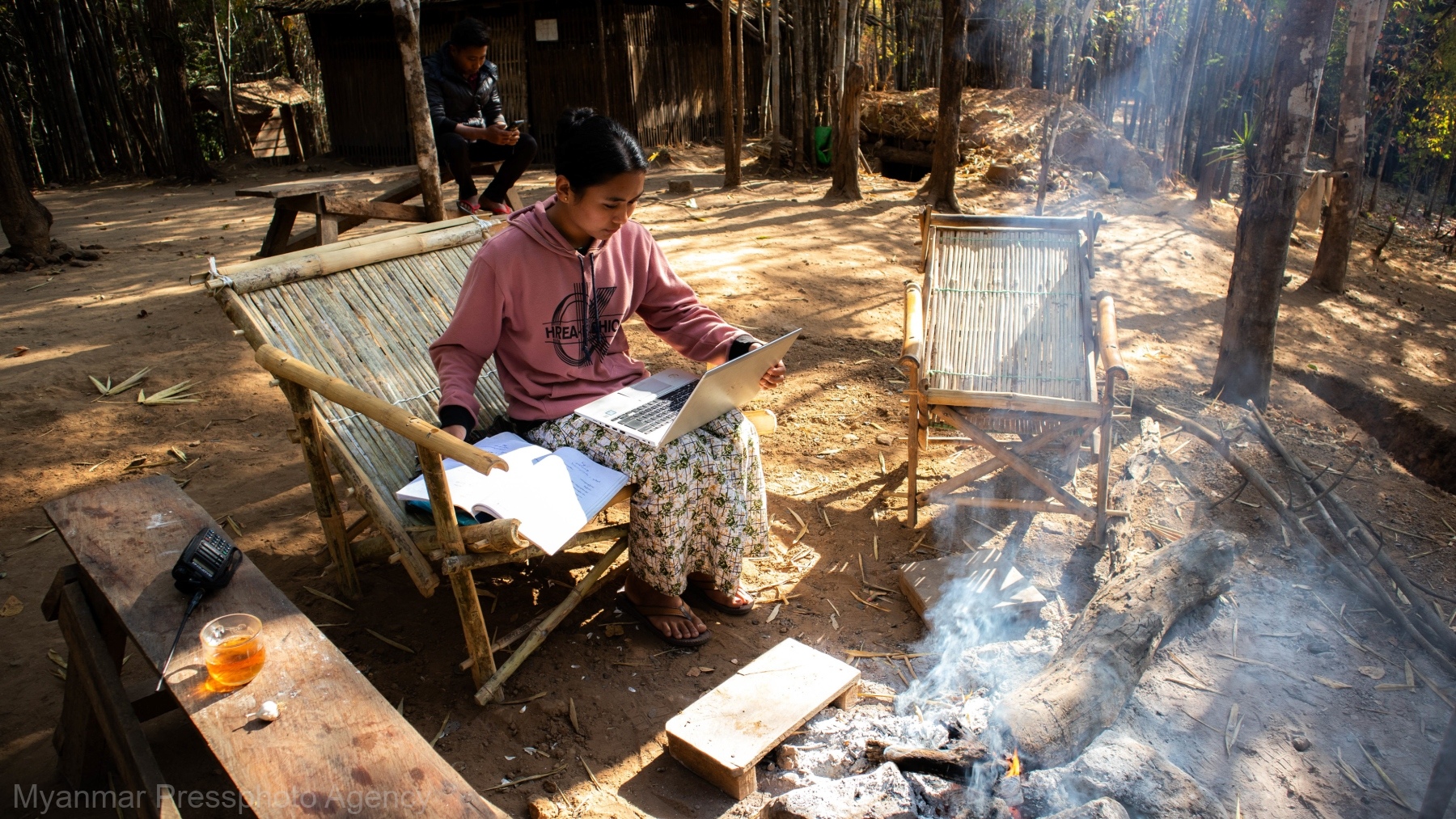
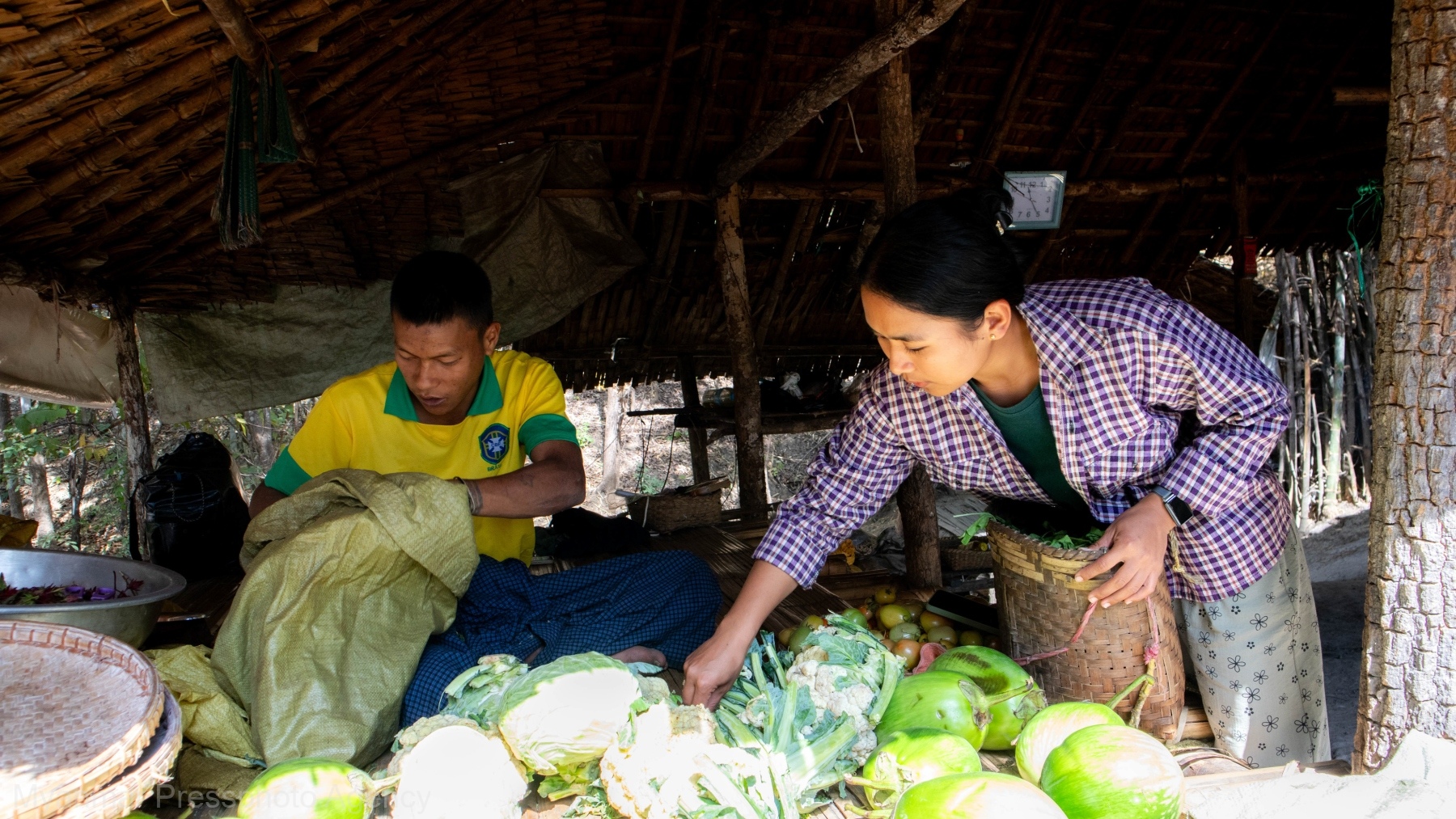
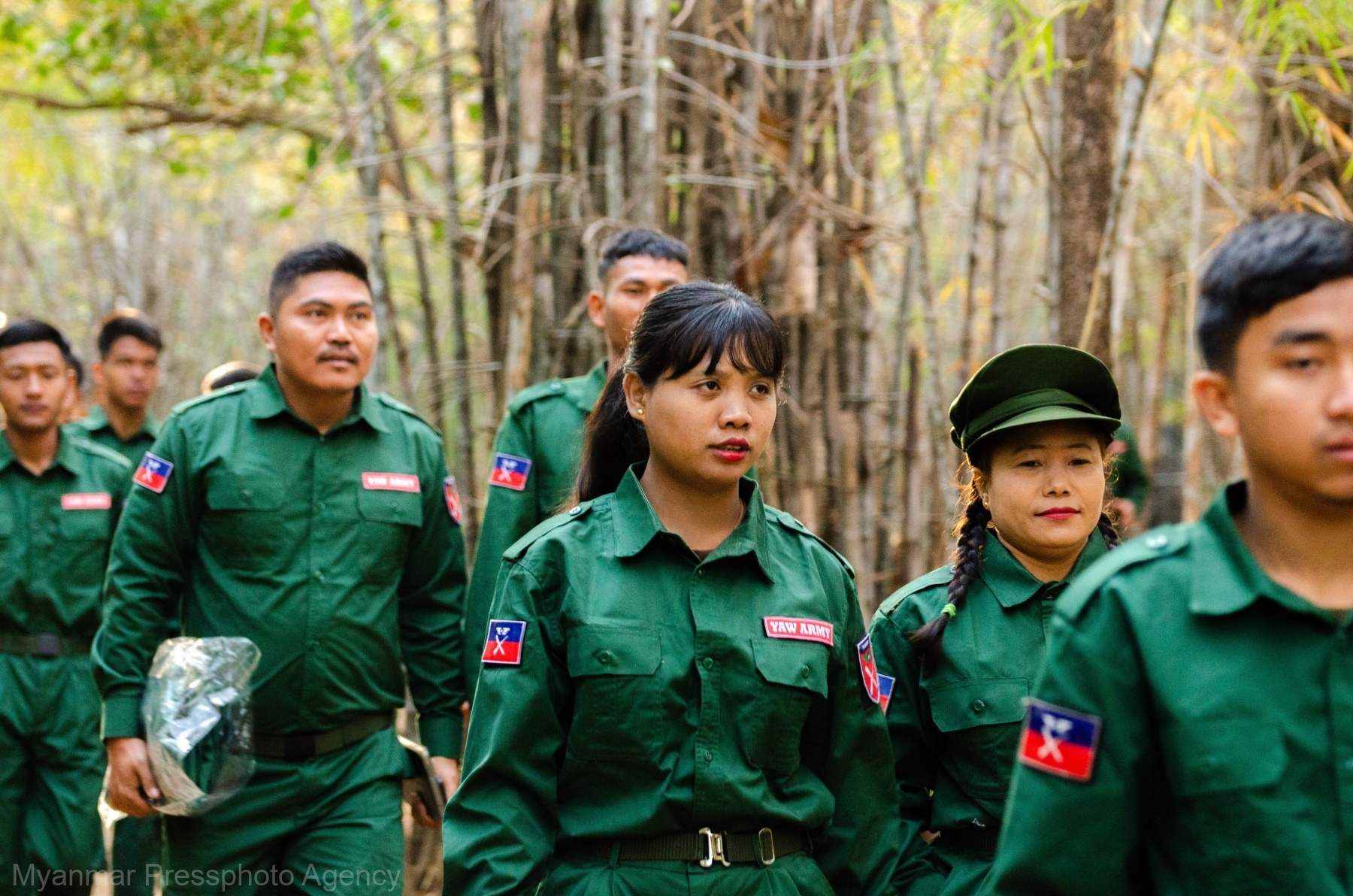
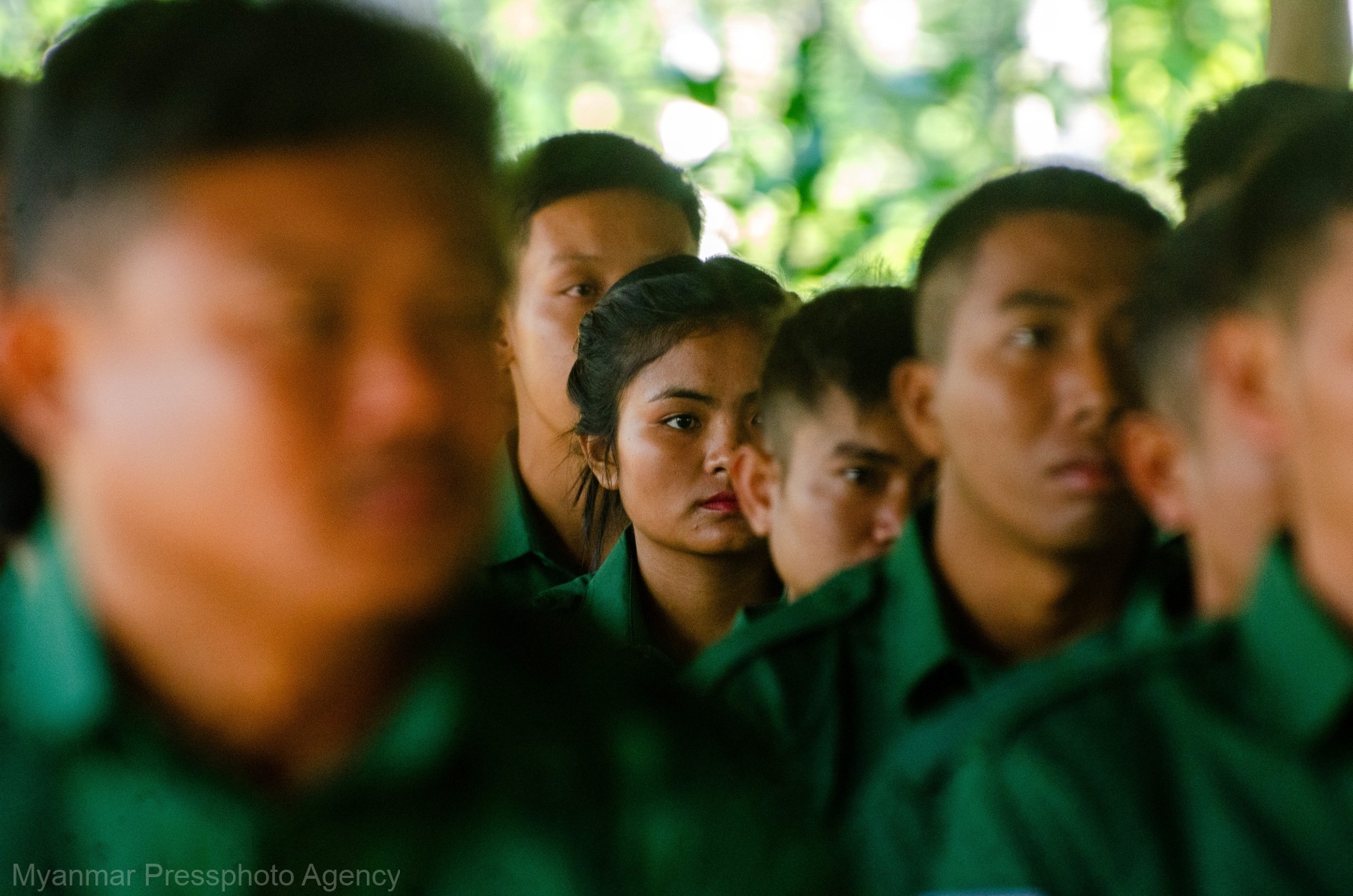
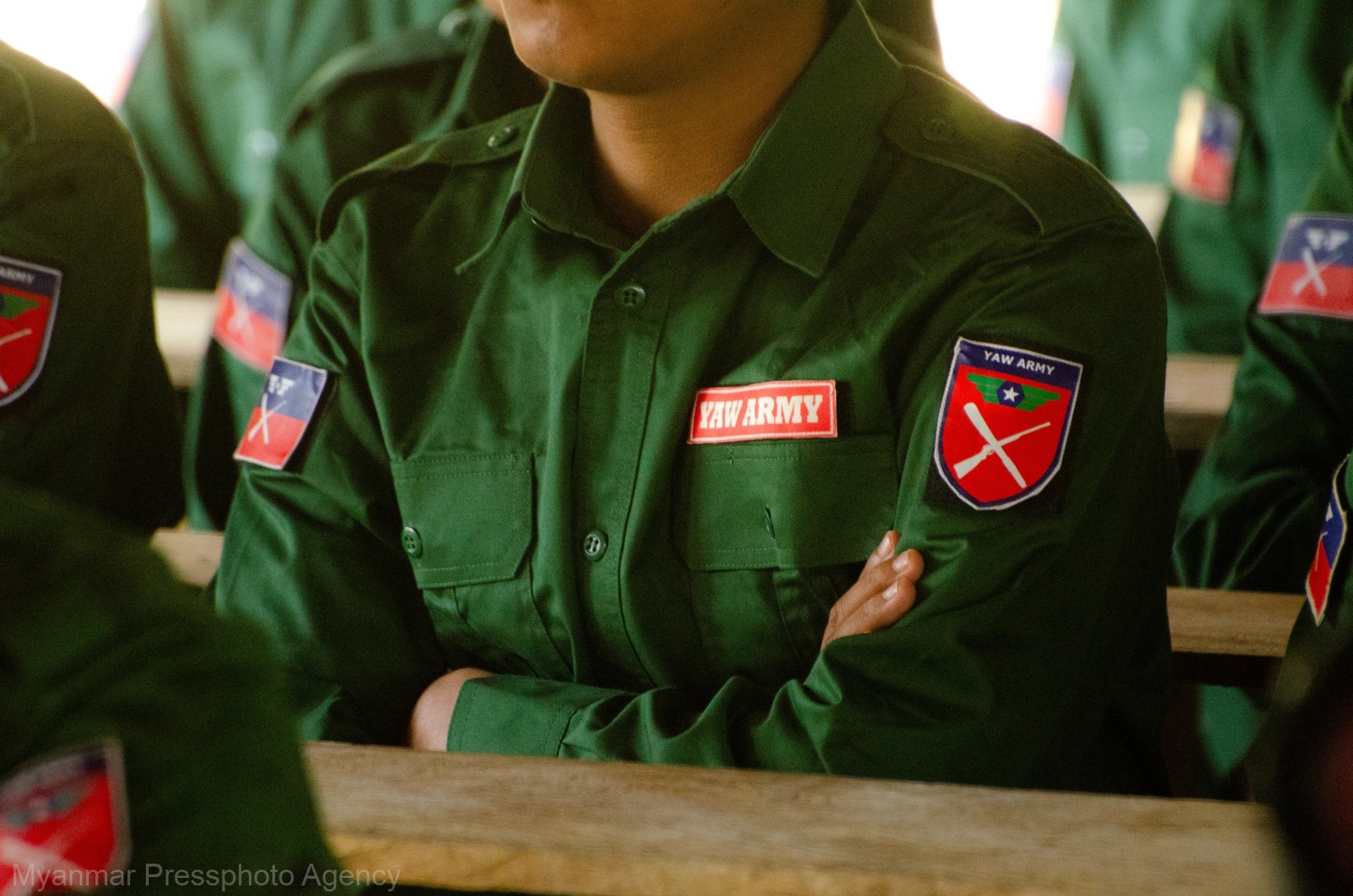
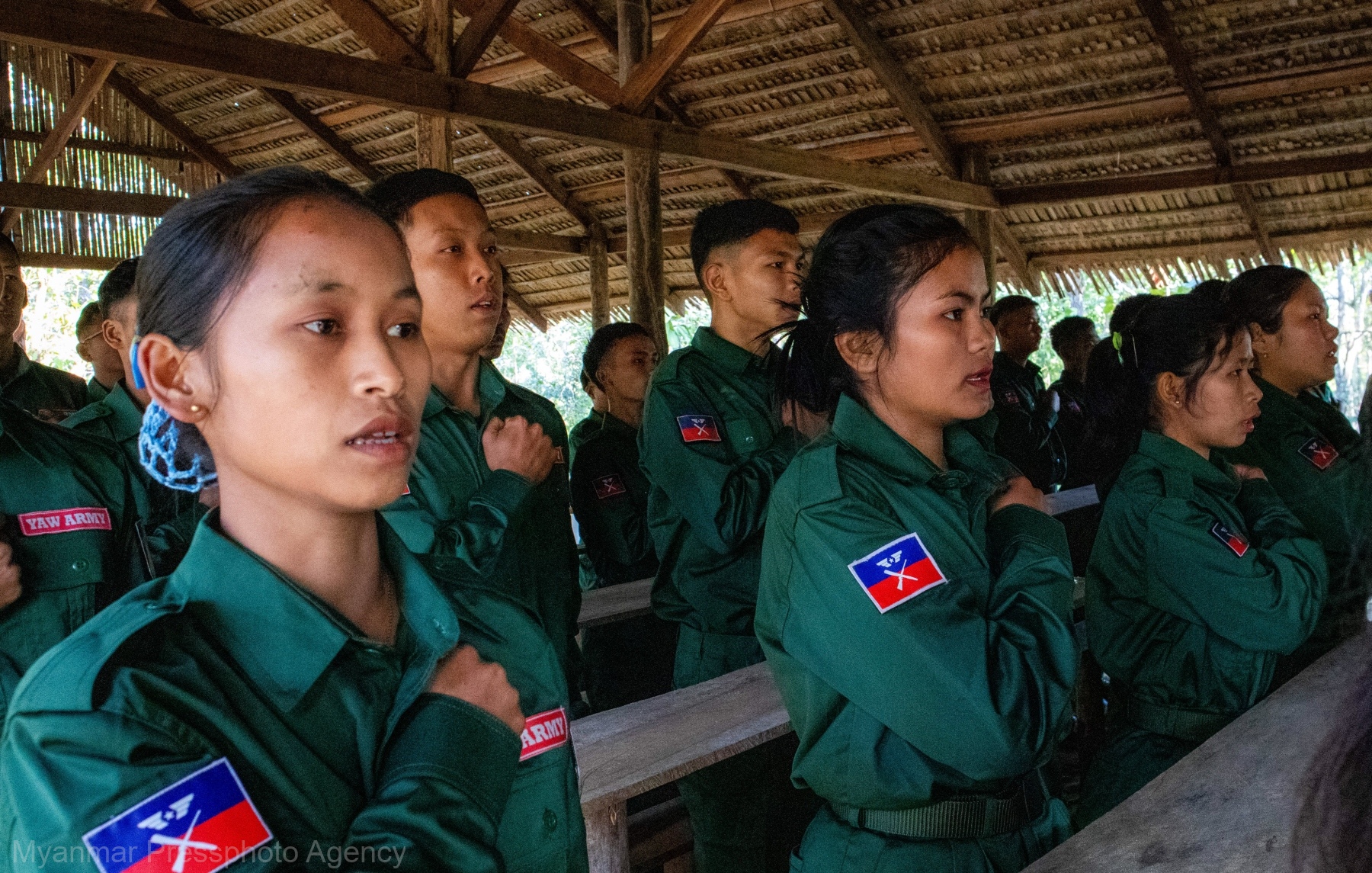
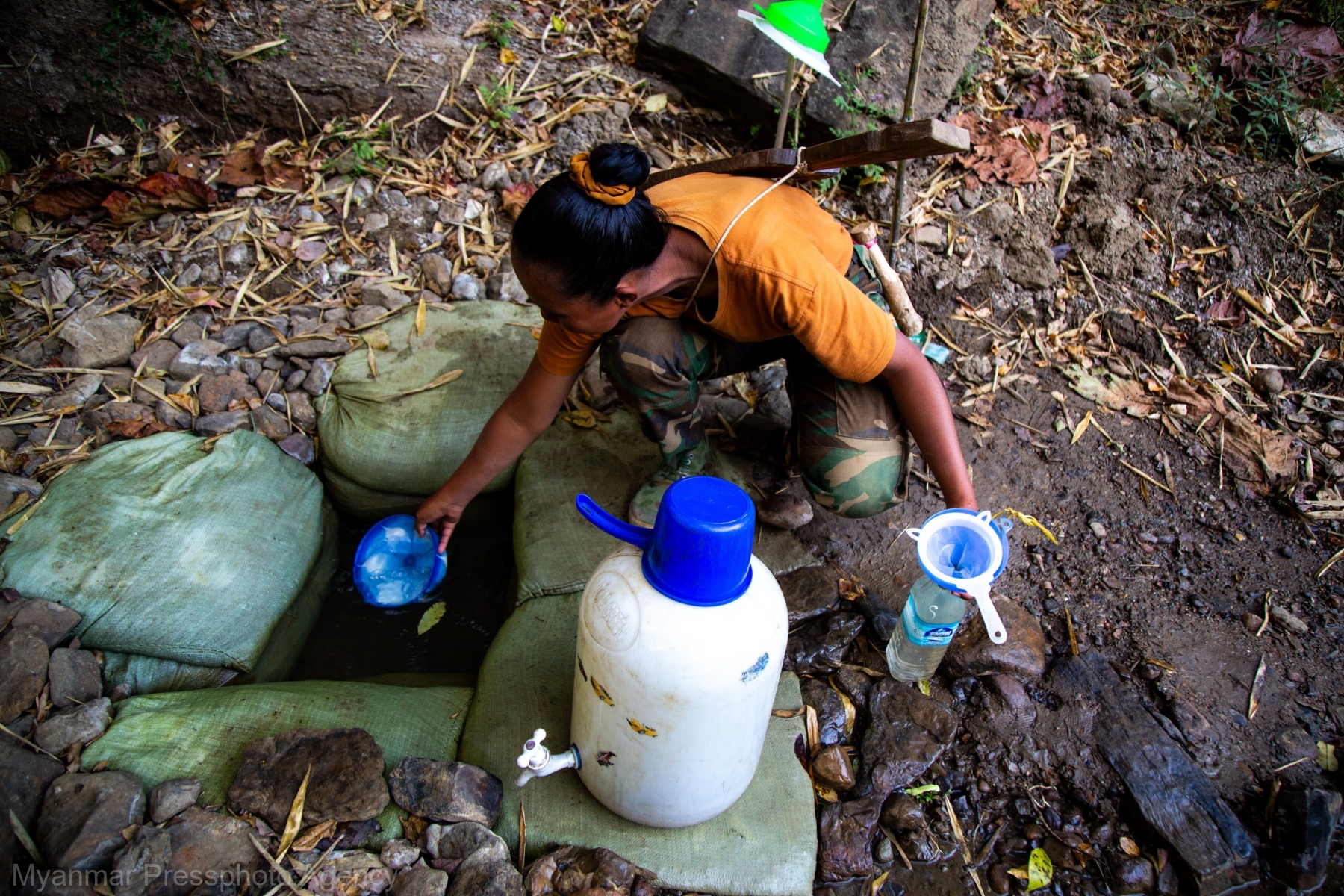
Driven by threats from military informants and a deep-seated desire for justice, she joined the Yaw Army’s logistics wing. She now manages the inventory of weapons and ammunition, but her primary pride lies in her sewing machine.
“The first time I saw our soldiers wearing the equipment and backpacks we stitched ourselves, I felt such pride,” Mi Wine says, over the hum of her sewing machine. By producing their own gear—backpacks and equipment vests—the unit ensures durability for the rugged terrain while drastically cutting costs for the cash-strapped resistance.
In the Yaw Army, women like Aye Aye Nyein and Mi Wine are not just supporters; they are the backbone of a movement for self-determination. Alongside their male counterparts, these women of the Yaw region are proving that the fight for a federal future is a burden—and a glory—they are more than willing to share