
By Hla Hla Win
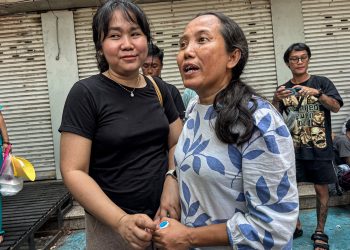
Displaced persons fleeing conflict in Maw Taung, southern Myanmar, are facing severe food shortages due to logistical restrictions imposed by Thai authorities at the border, aid workers say.
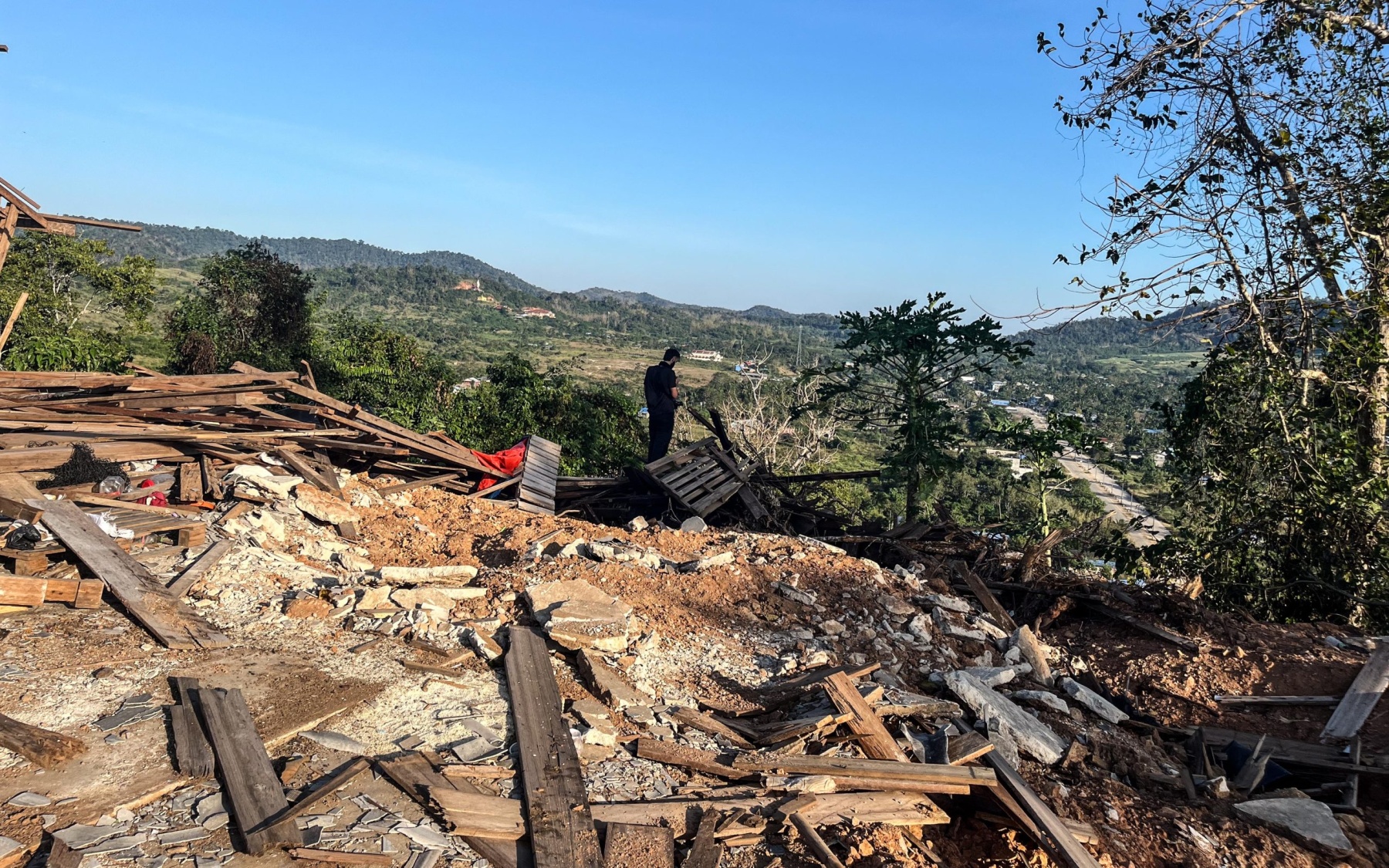
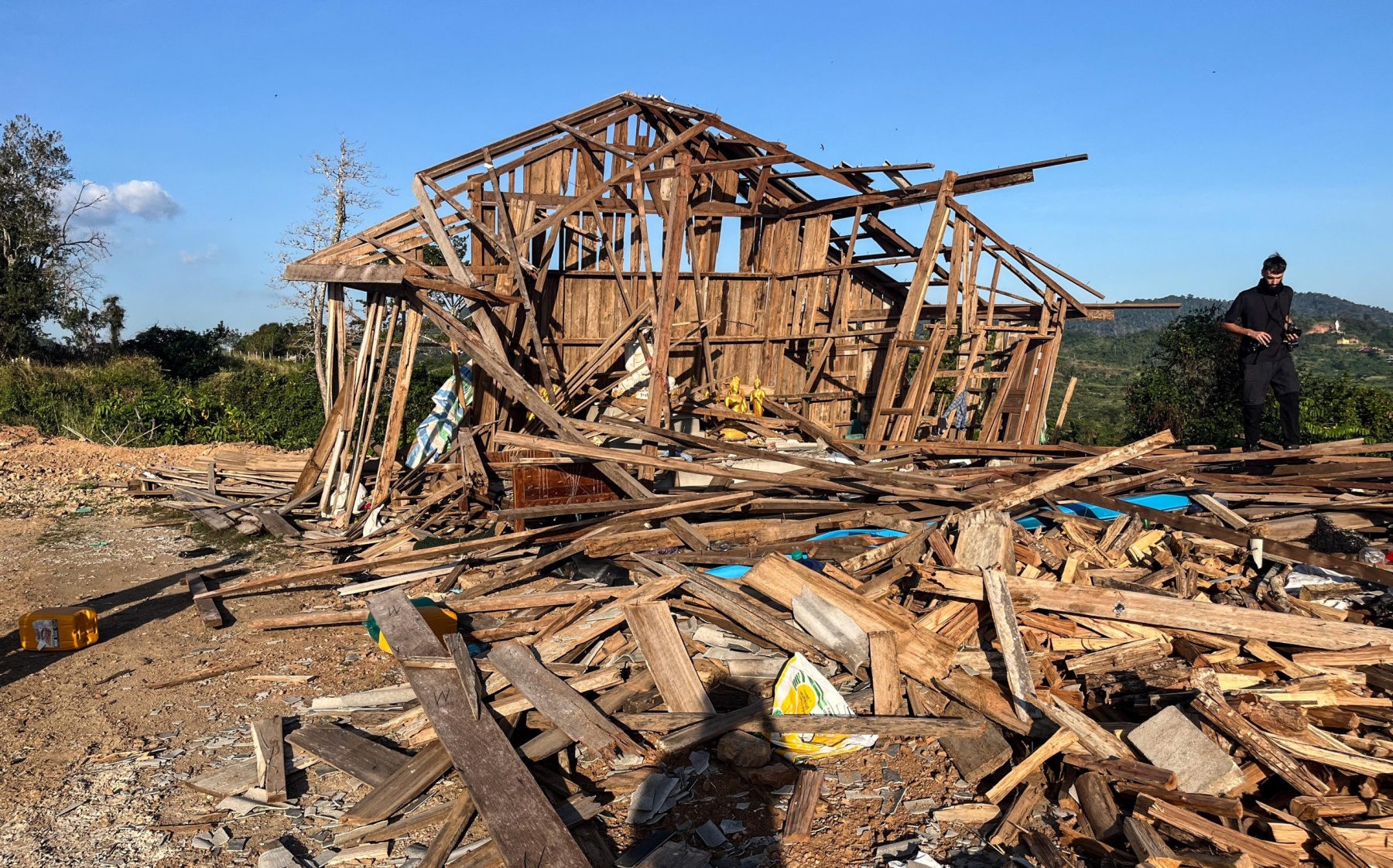
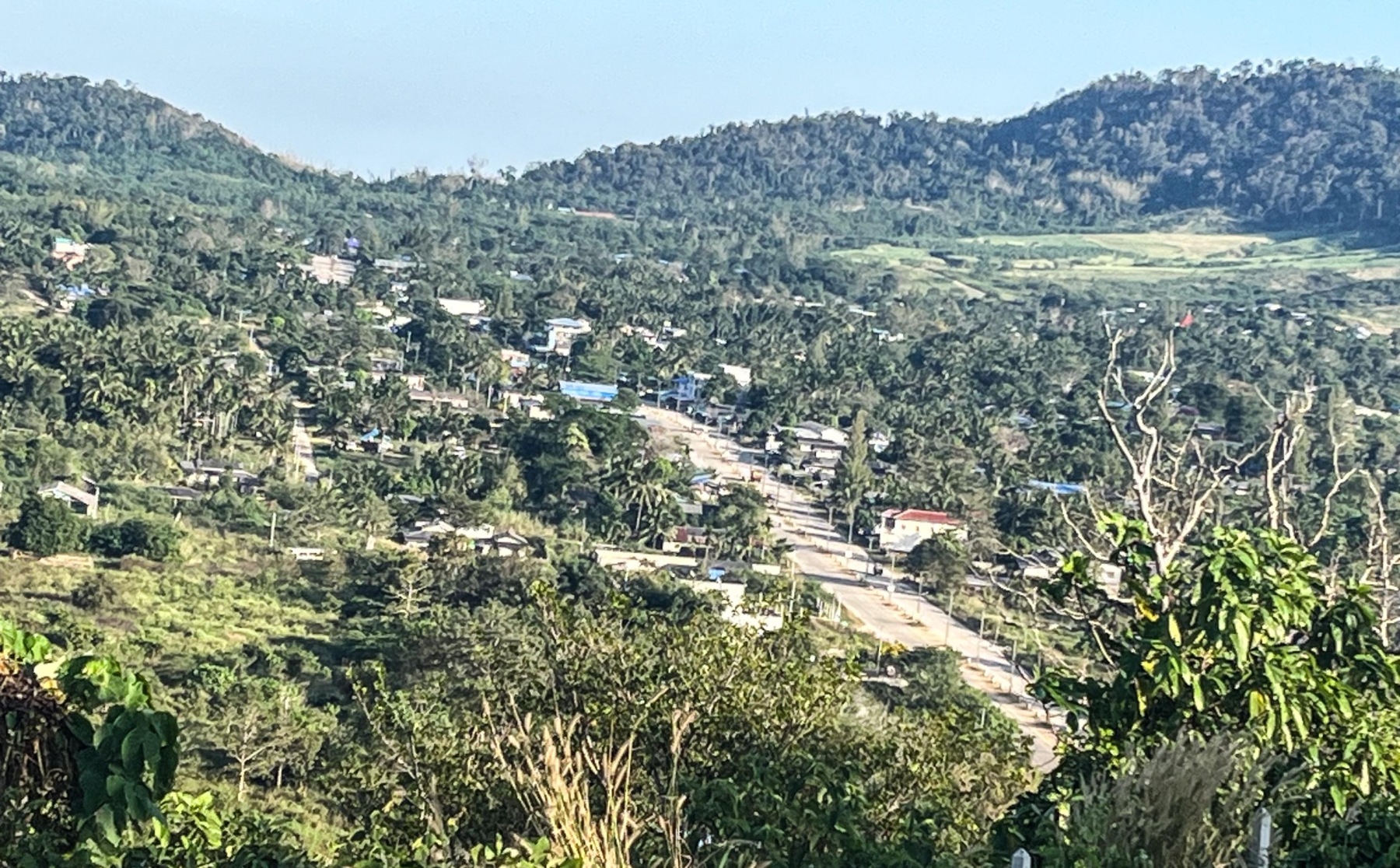
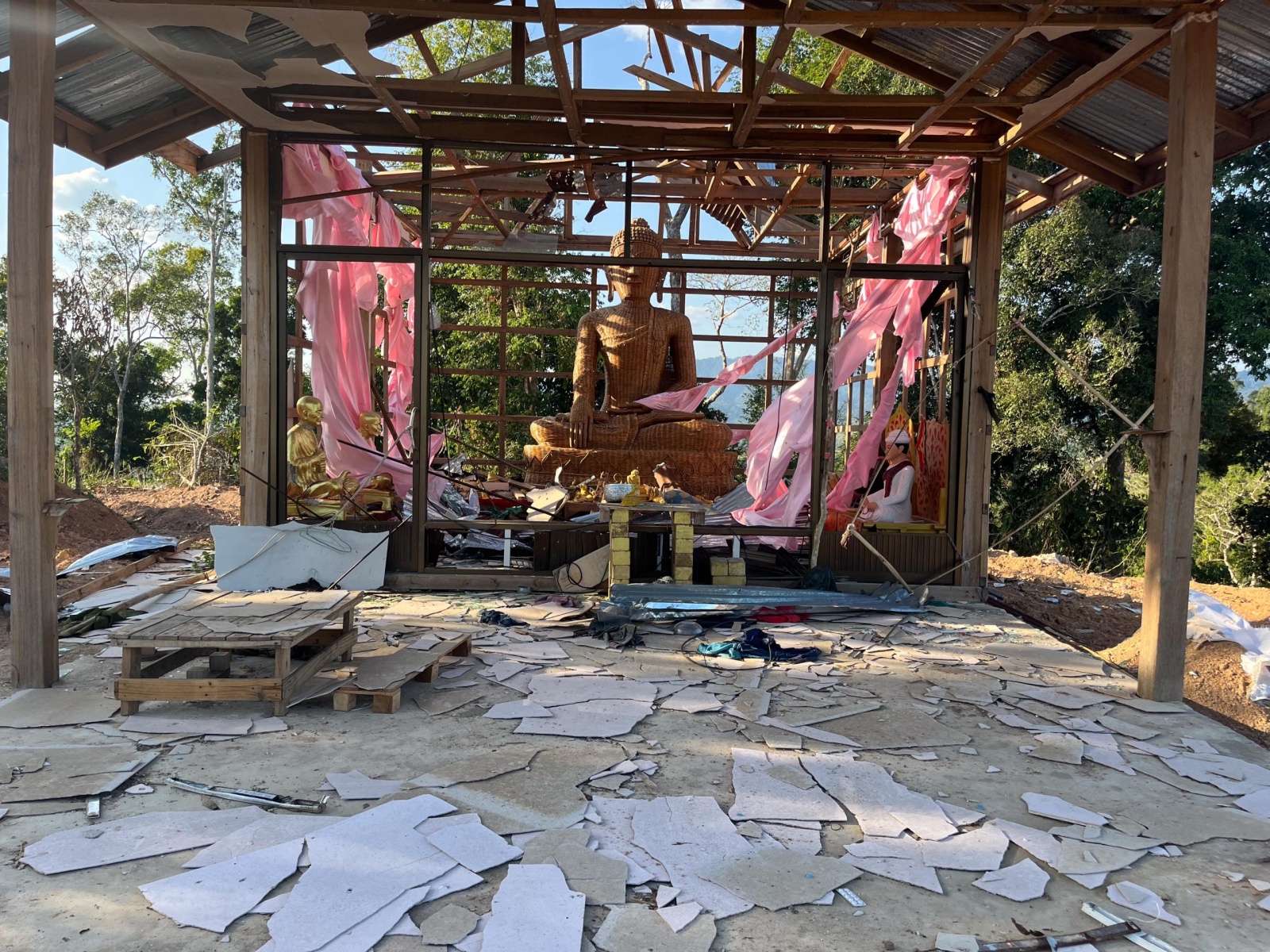
Following the seizure of Maw Taung by resistance forces on 14 November last year, thousands of residents initially sought refuge in Thailand. Since the first week of December, many have returned to the Myanmar side of the border, sheltering in temporary jungle camps.
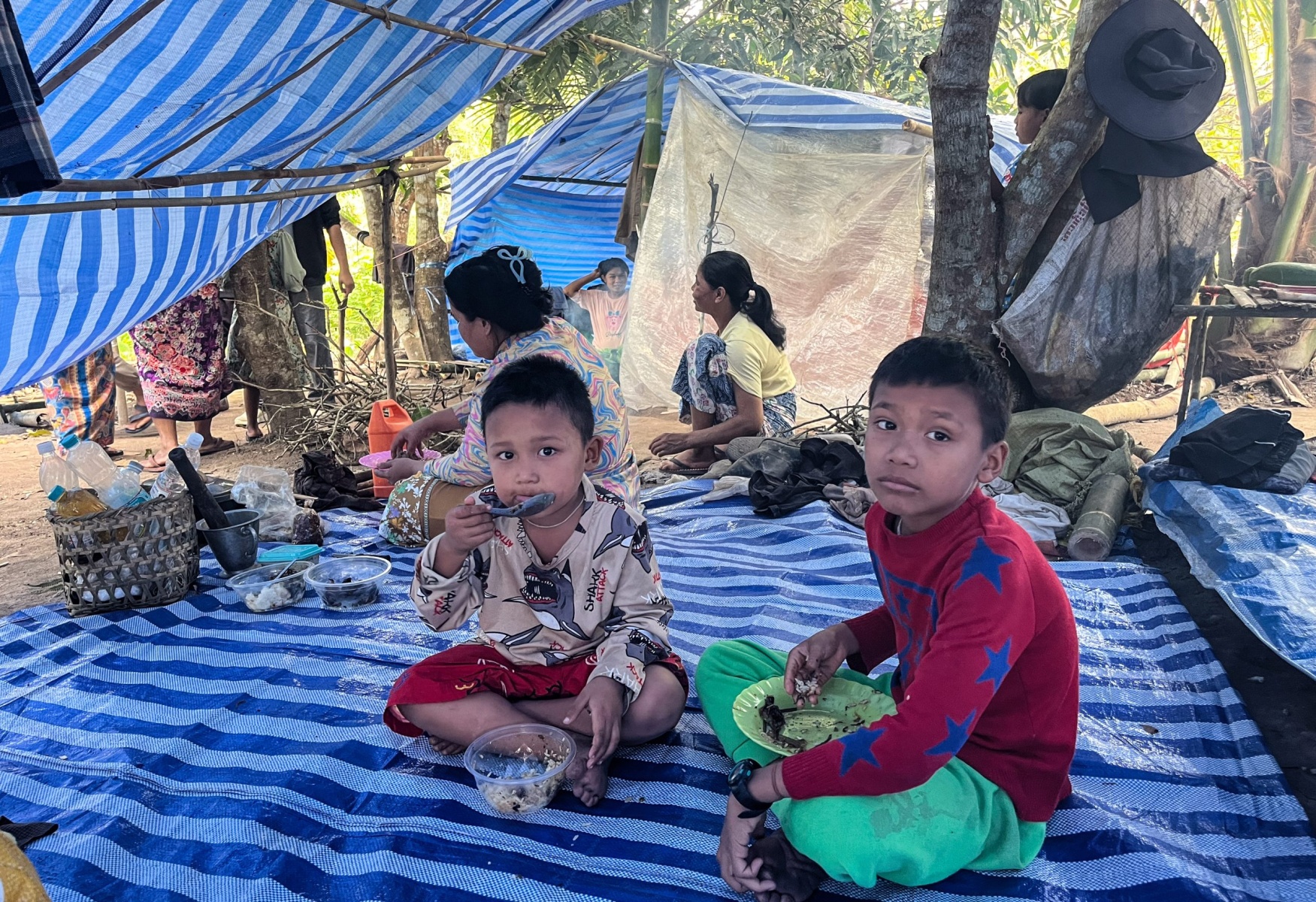
Despite the shift back across the border, many remain too fearful of junta airstrikes to return to their homes in Maw Taung town. These displaced populations now rely heavily on supplies transported from Thailand—a process aid volunteers describe as “inefficient” due to strict new regulations.
Ko Aung Aung, an aid worker providing emergency relief, told the MPA that while security checks are expected, the specific requirements for food packaging are causing significant delays.
“There are currently 5,100 displaced persons we are trying to support,” he said.
“The Thai authorities are requiring us to repackage food into small 1kg individual portions. Our camps cook in bulk for the entire community; it makes no sense to break down sacks of rice and boxes of noodles into tiny bags only to recombine them in a large pot on the other side. It is a massive waste of time and manpower.”
The situation in the camps is deteriorating, with camp officials warning of a looming health crisis.
“We are living in makeshift shelters in the jungle. It was manageable for a few days, but as time passes, the lack of clean water is a major concern,” a camp manager said.
“We fear outbreaks of typhoid and diarrhea. This region has never seen conflict on this scale before, and we are ill-equipped for this many displaced people.”
One displaced resident expressed frustration that even with available funds, basic necessities remain out of reach.
“We don’t want to stay in Thailand long-term, but we can’t go home because of the planes. If we can’t buy enough food and water here, people will be forced back to the border or into ‘No Man’s Land’ where no one has control.”
The Karen National Union (KNU), which is currently overseeing the welfare and healthcare of the displaced, is attempting to negotiate more lenient border crossing terms with Thai officials.
Padoh Nya Wah, the KNU Chairman for Tanintharyi Township, confirmed that while Thailand allows aid deliveries on Mondays, the “per-person” weight limits and packaging rules remain a barrier.
“We have negotiated for the public to send donations from the Thai side. Currently, they allow 4kg to 5kg of rations per person per week, but the insistence on these 1kg small packets is stalling our efforts,” he explained.
He added that the KNU has requested that Thai authorities allow rice to be imported by the sack rather than by the kilogram. “We are waiting to see if they will ease these restrictions by next week,” Padoh Nya Wah said.