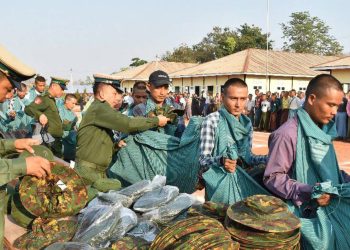

By Kan Htun / MPA
Thousands of families displaced by conflict in Northern Rakhine State are facing a desperate struggle for survival this winter, amid severe shortages of food, warm clothing, and shelter.
Cut off from international aid and facing soaring prices due to military blockades, refugees say they are unable to afford basic necessities to protect themselves from the cold.
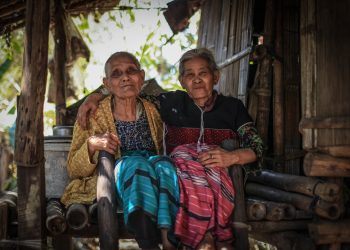
“I have no home,” a woman in her 70s living in Ponnagyun Township told MPA. “We need rice to eat, blankets, mosquito nets, and mats. We need warm clothes. My health is deteriorating.”
She added that the lack of proper shelter is a major concern, particularly for the safety and privacy of young women living in the open camps. “We haven’t been able to build a hut yet because we have no money. Others are building, but we are left behind.”
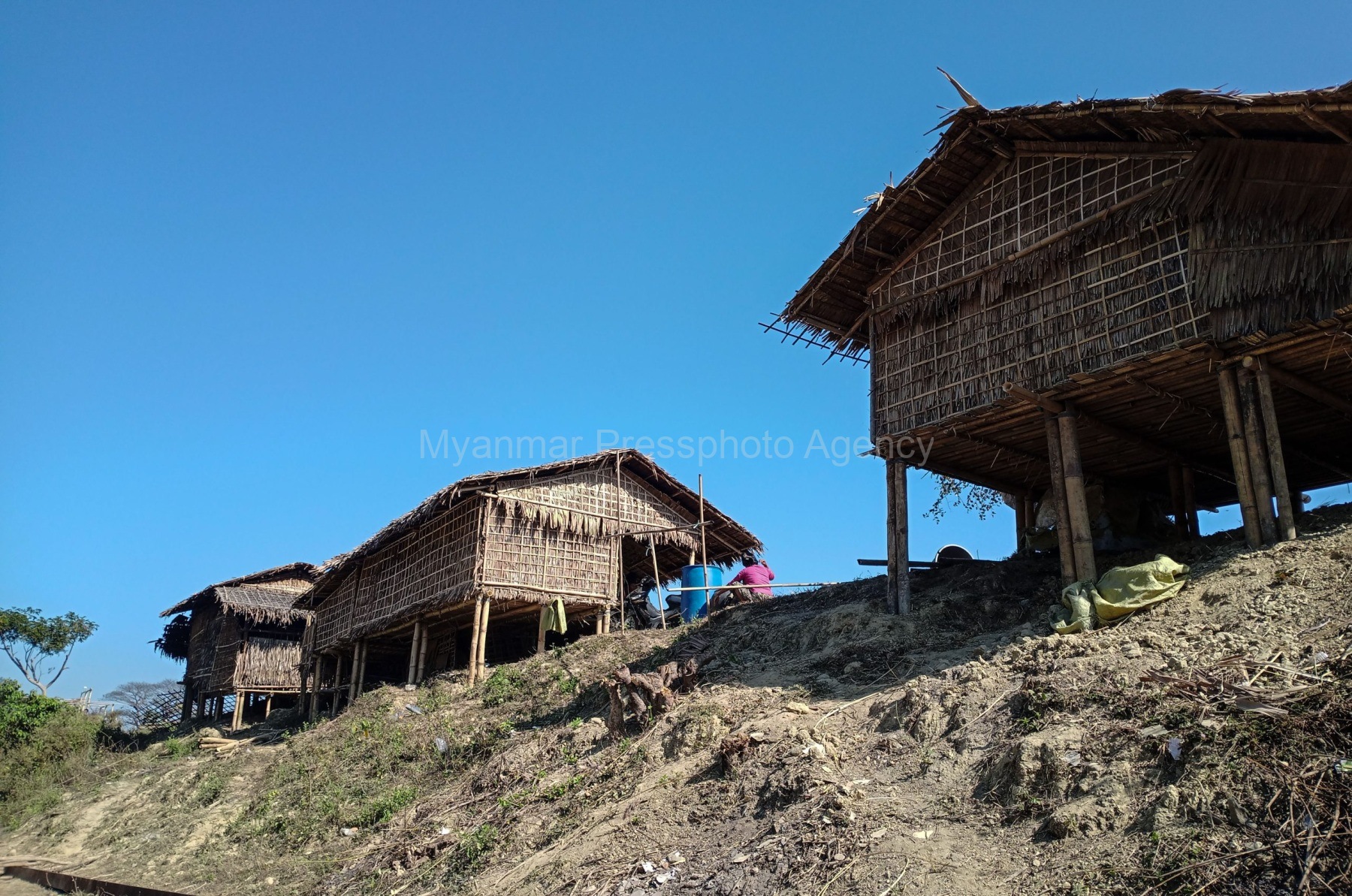
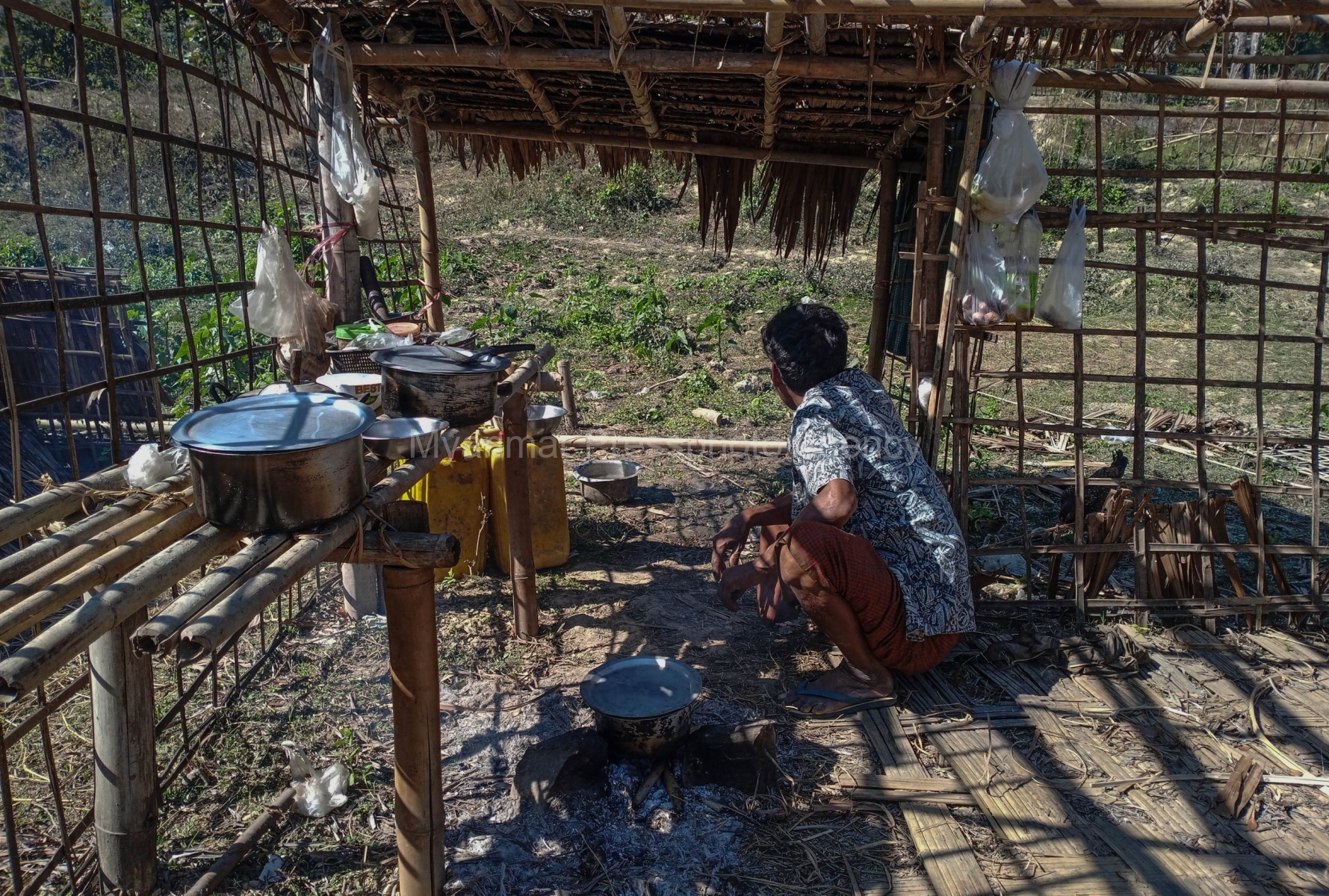
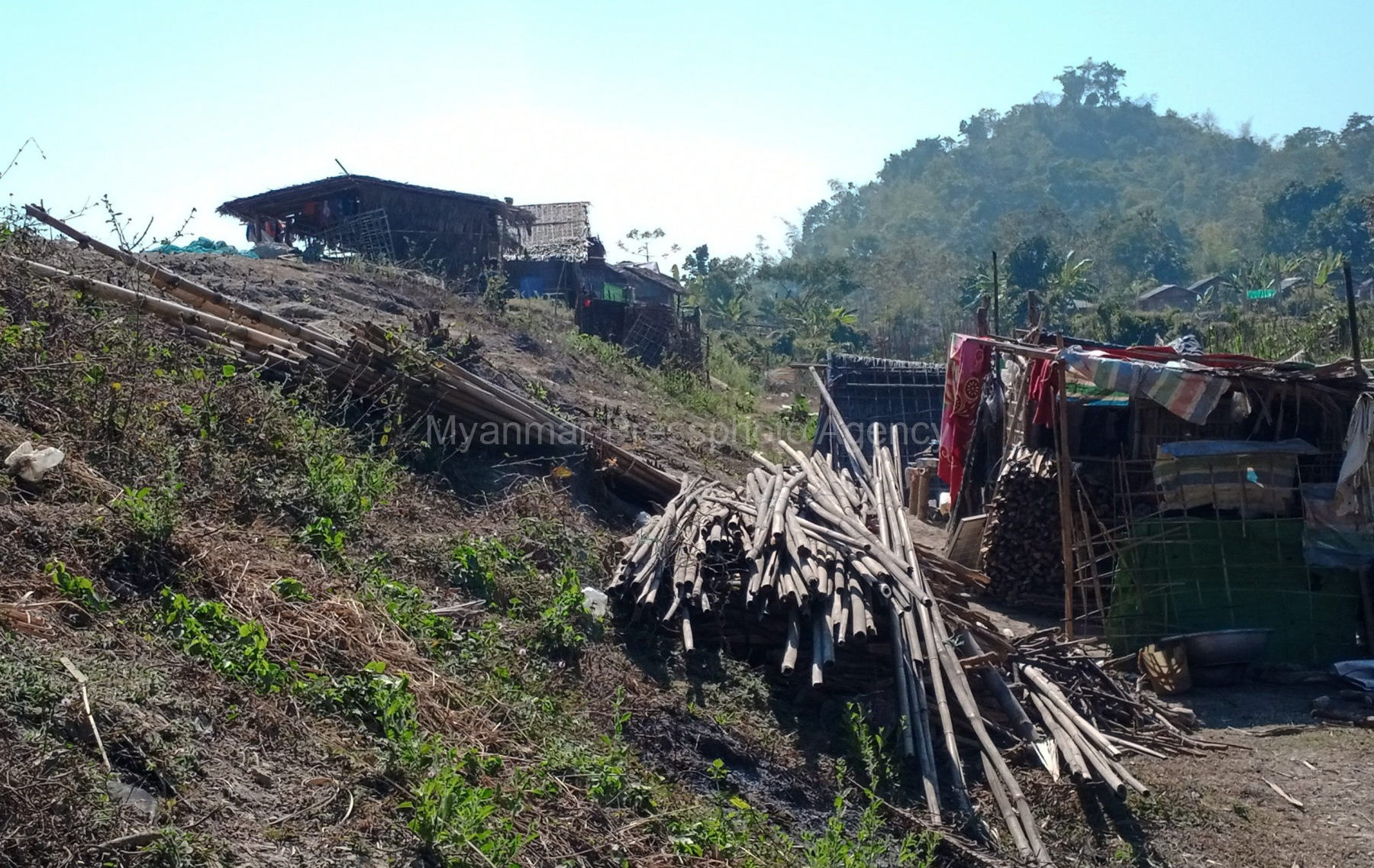
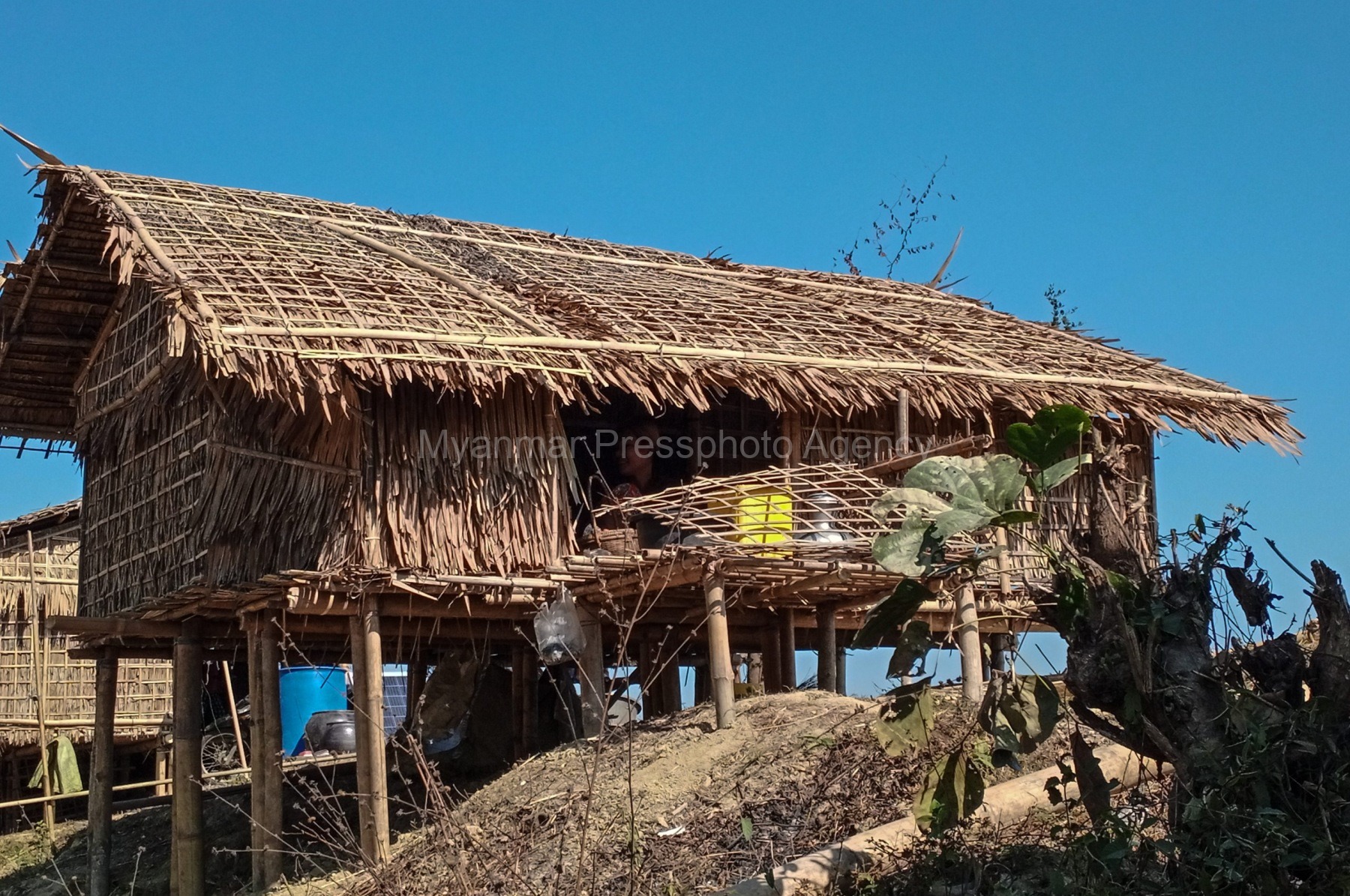
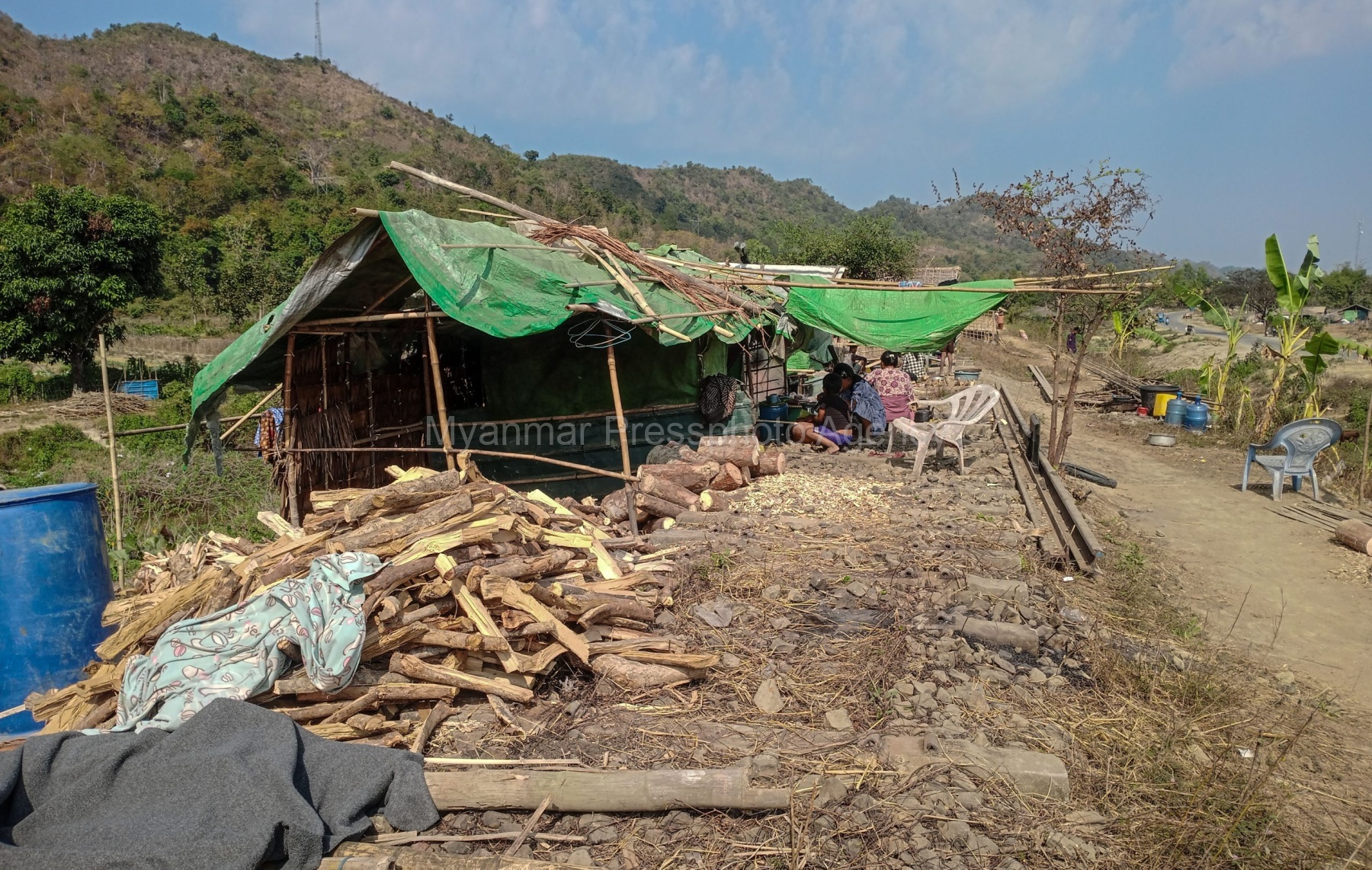
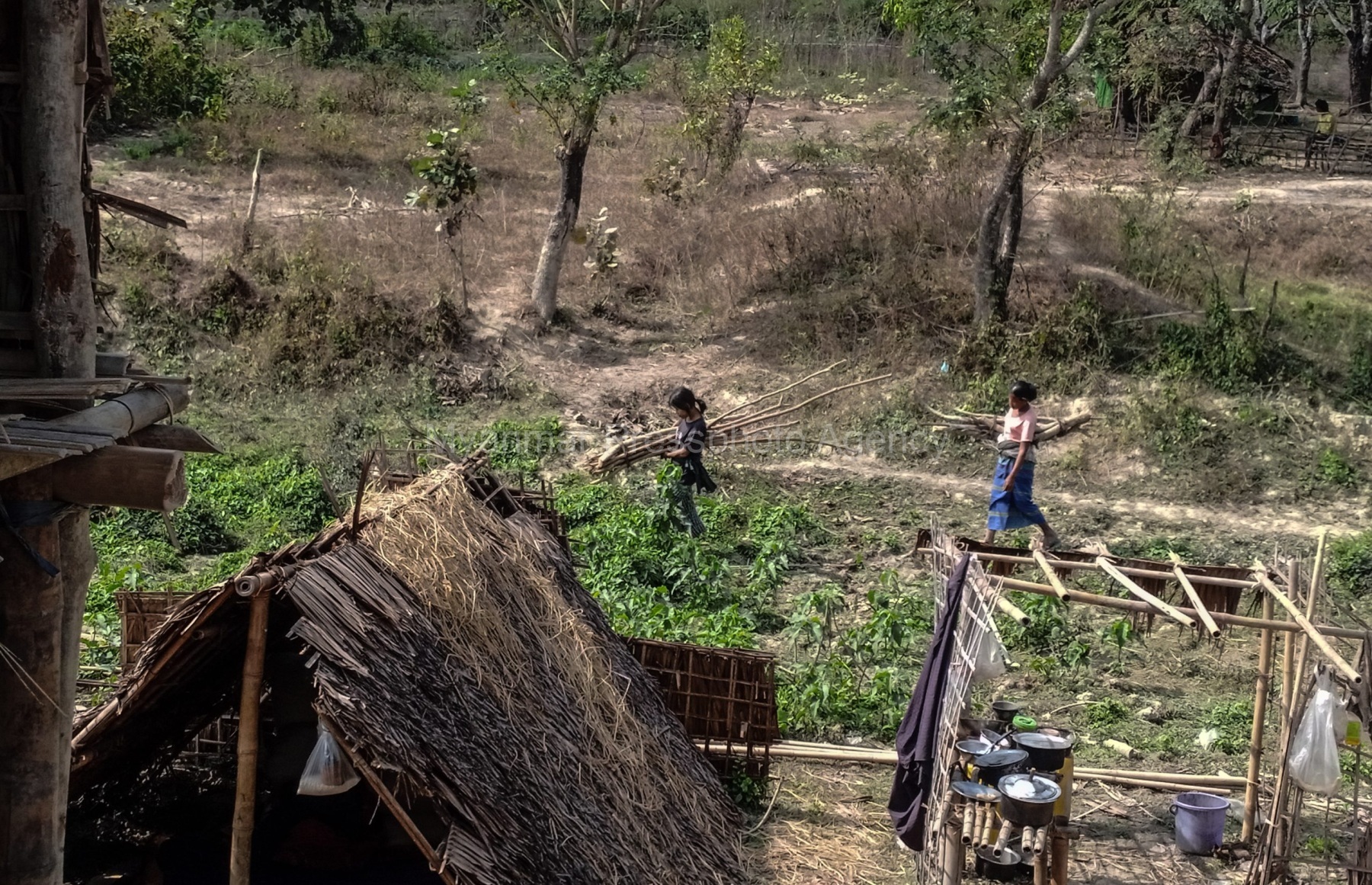
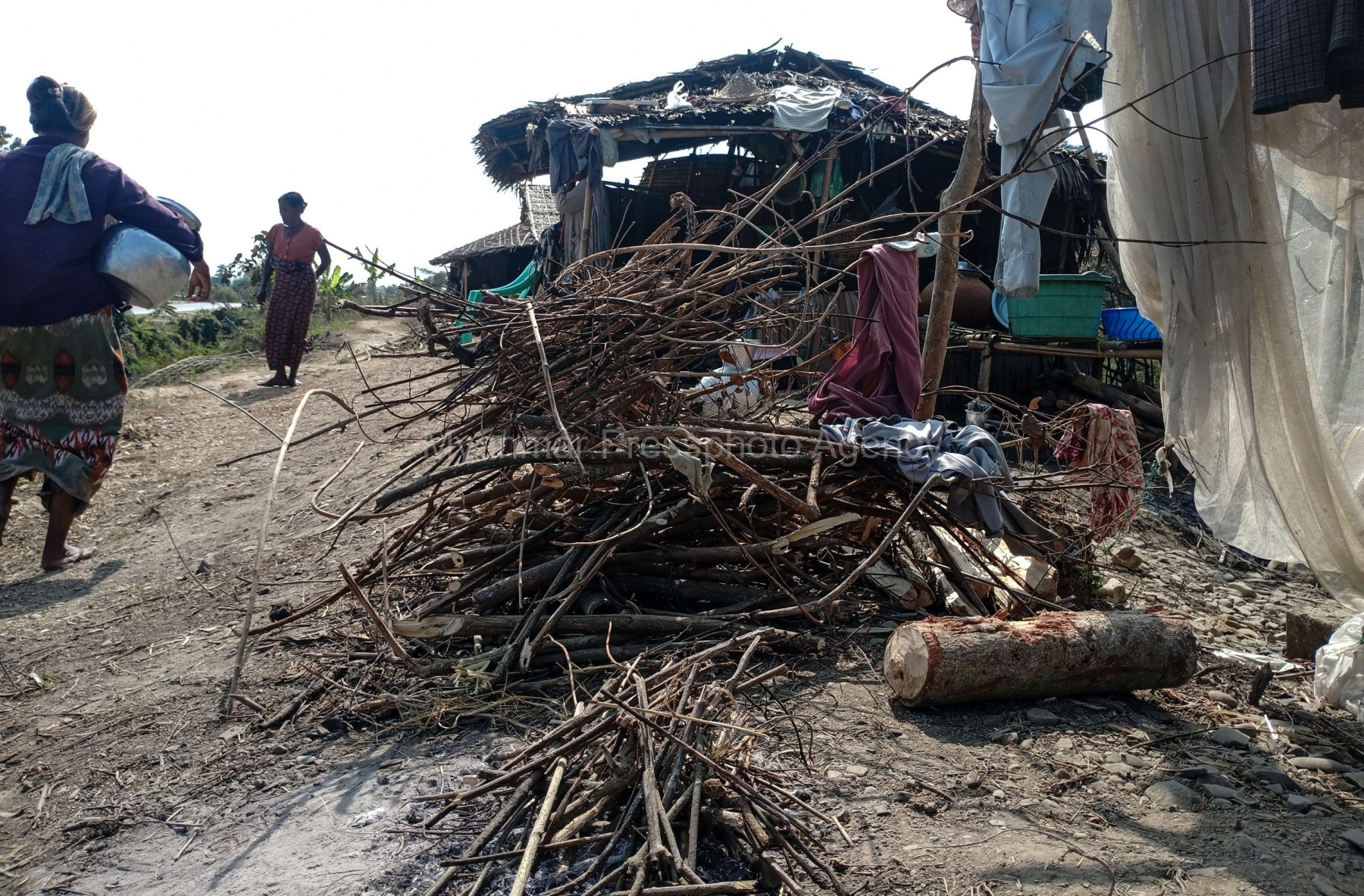
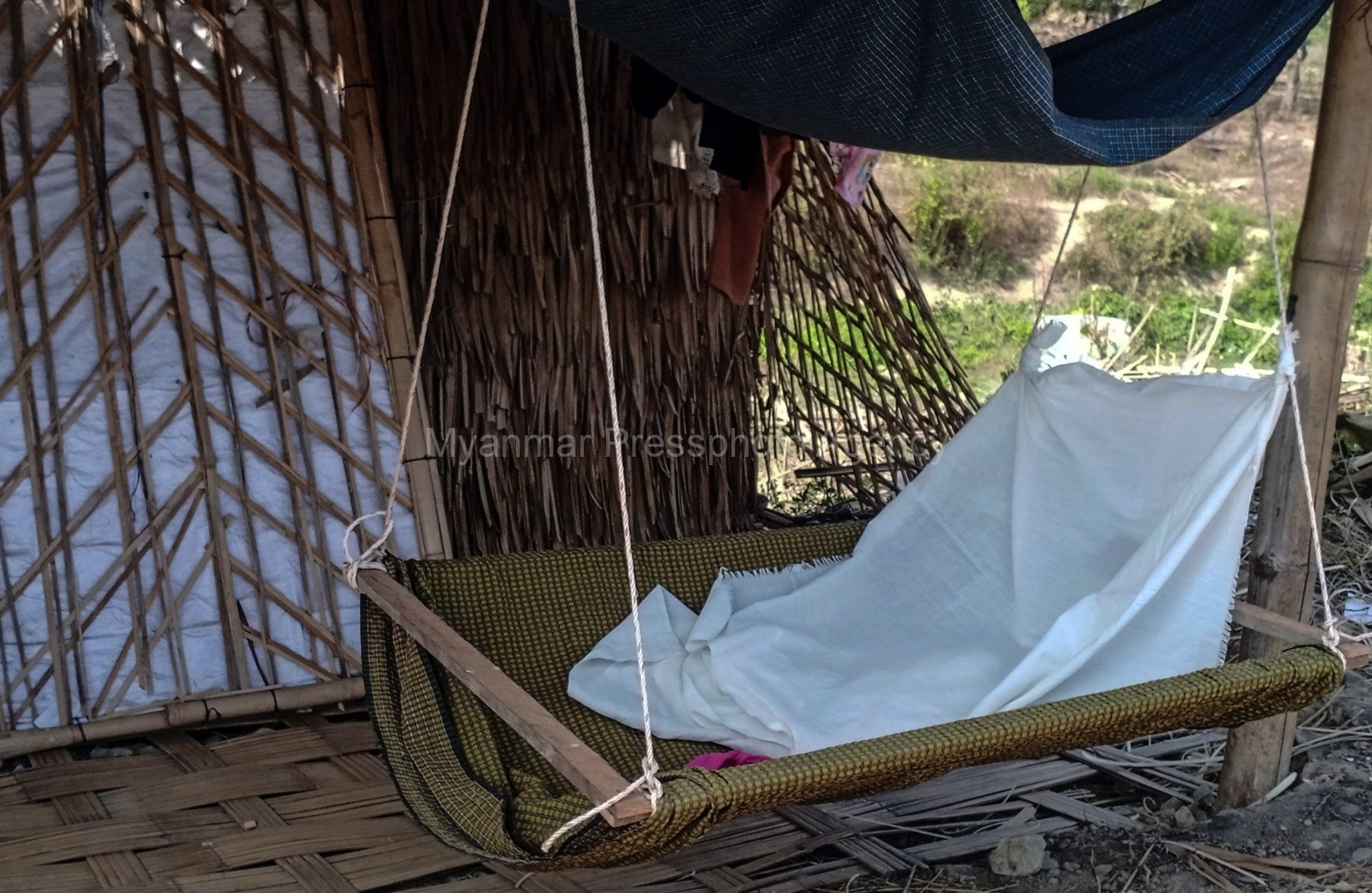
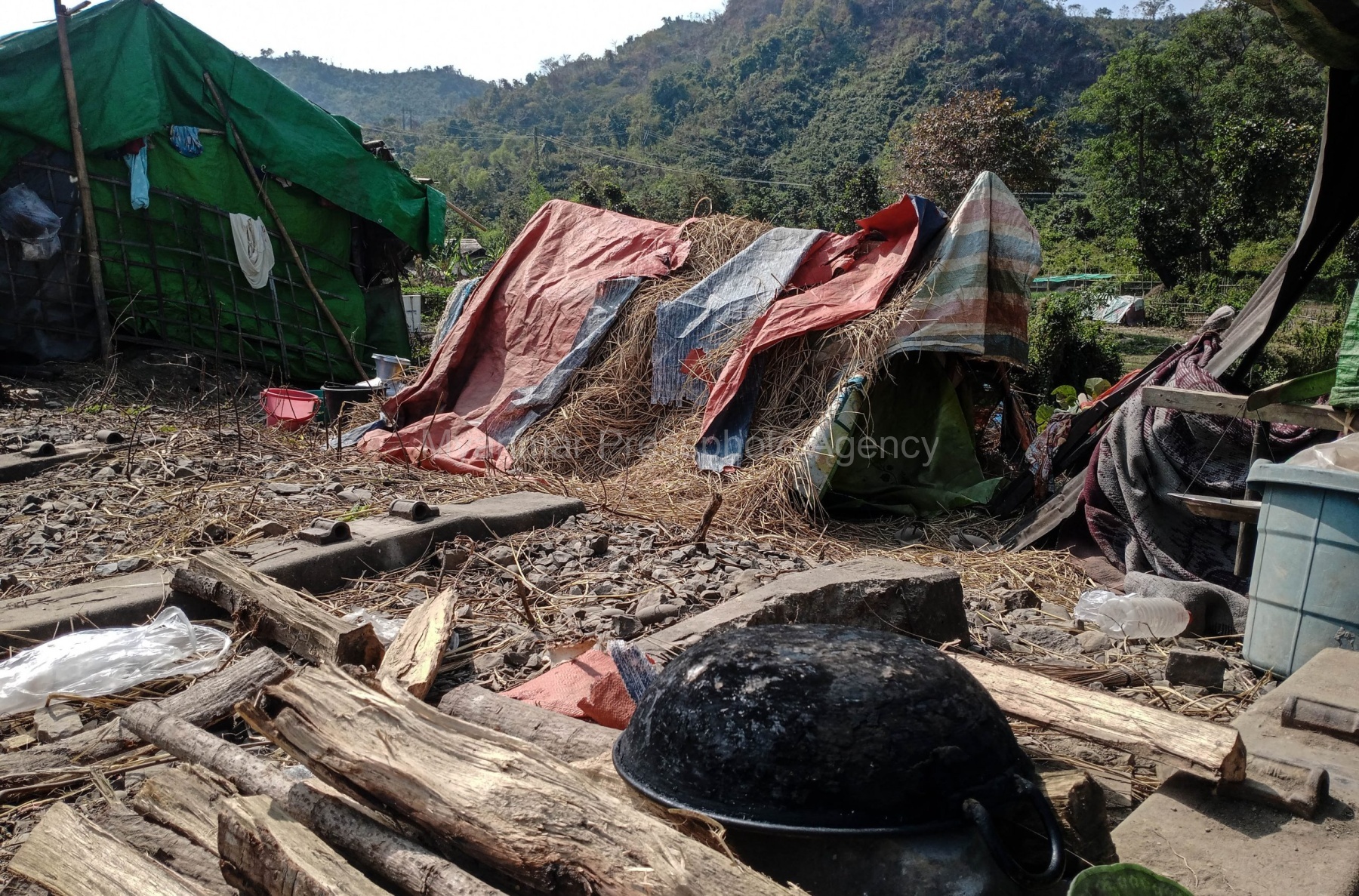
As the battle for control of Rakhine towns drags on, supply routes from mainland Myanmar have been severed. This has led to hyperinflation for essential goods.
Local markets report that a single warm coat now costs between 20,000 and 60,000 kyats, while a blanket can cost up to 50,000 kyats. For displaced families with no income, these prices are impossible to meet.
The crisis is compounded by the withdrawal of major international support. Refugees report that assistance from organizations such as the World Food Programme (WFP) ceased in early 2025.
With over 600,000 people currently displaced across Rakhine State—and numbers swelling due to fresh fighting in Kyaukphyu and Sittwe—communities are now entirely reliant on sporadic donations from local charities and the diaspora.
Without urgent intervention, health workers fear the combination of malnutrition and exposure to the cold will lead to a rise in preventable deaths and illnesses in the camps.