
By Sayar Ngaat | MPA
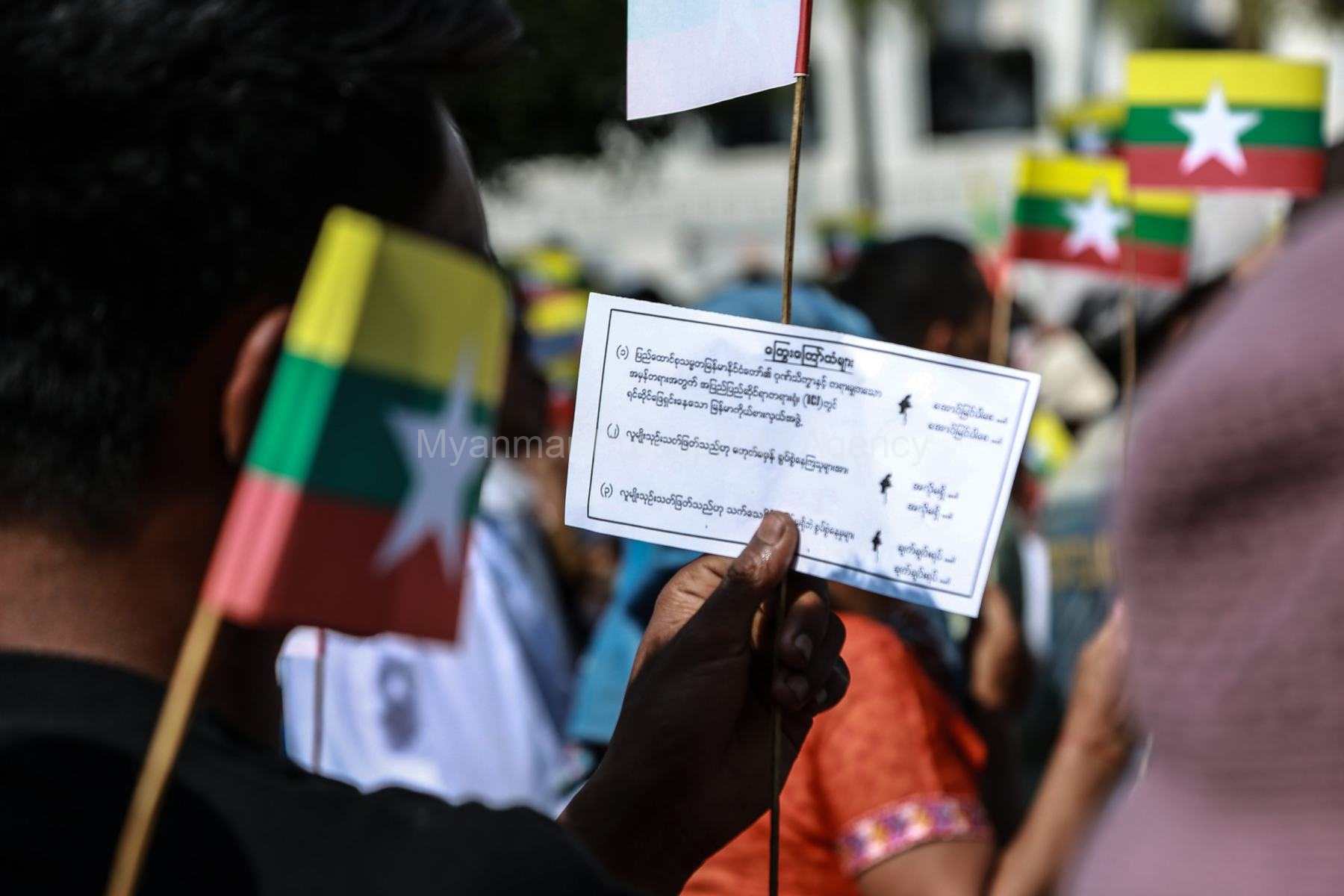
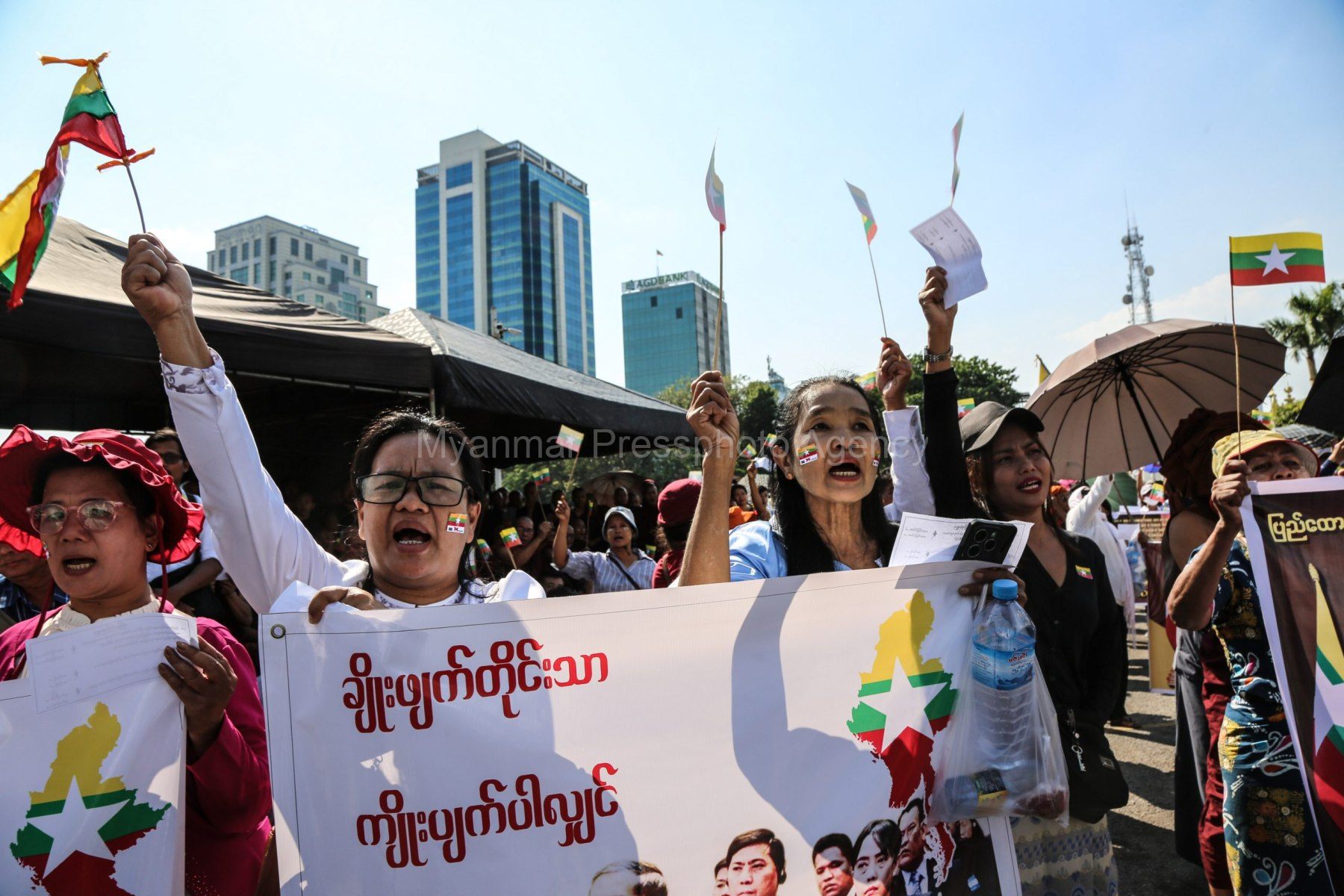
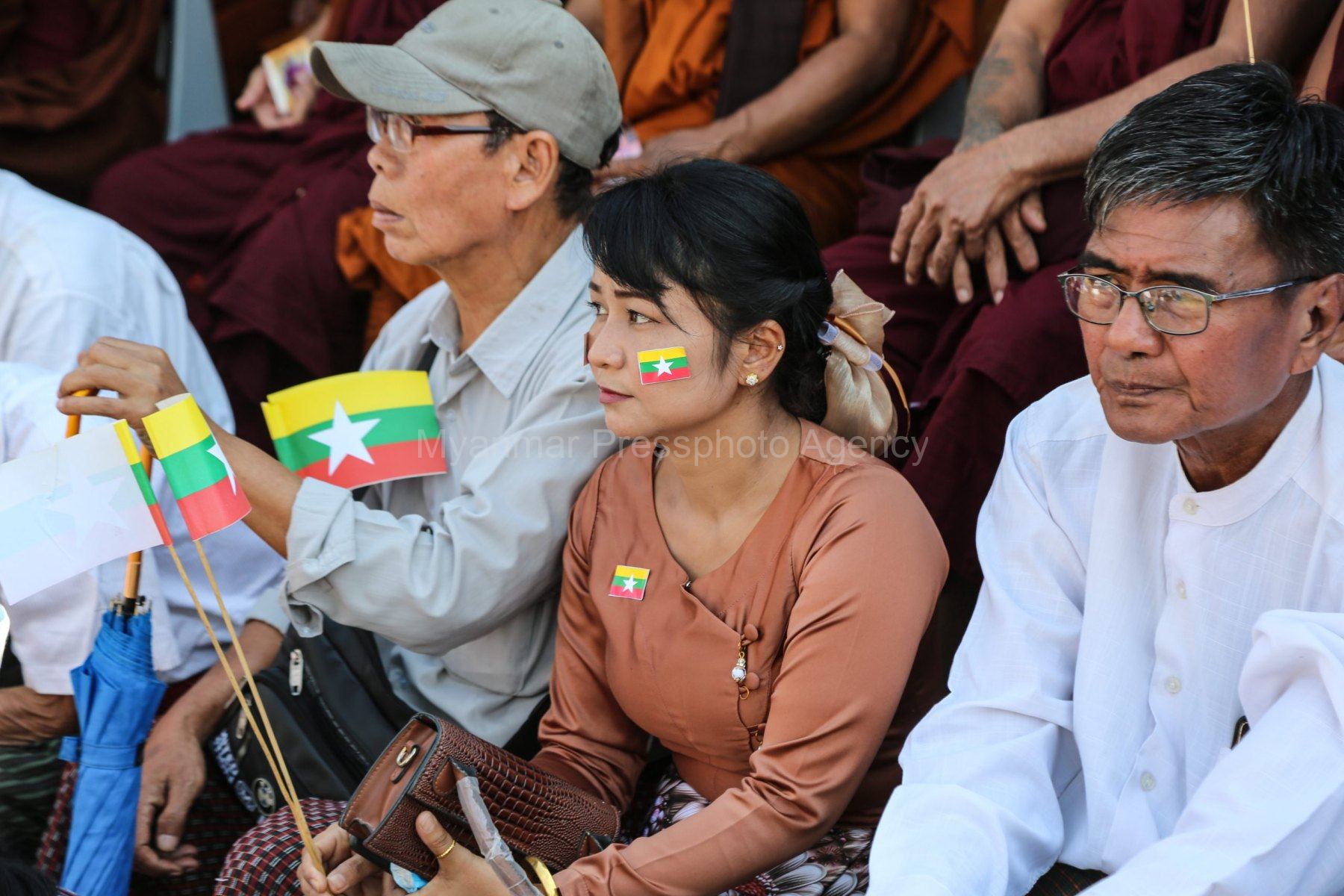
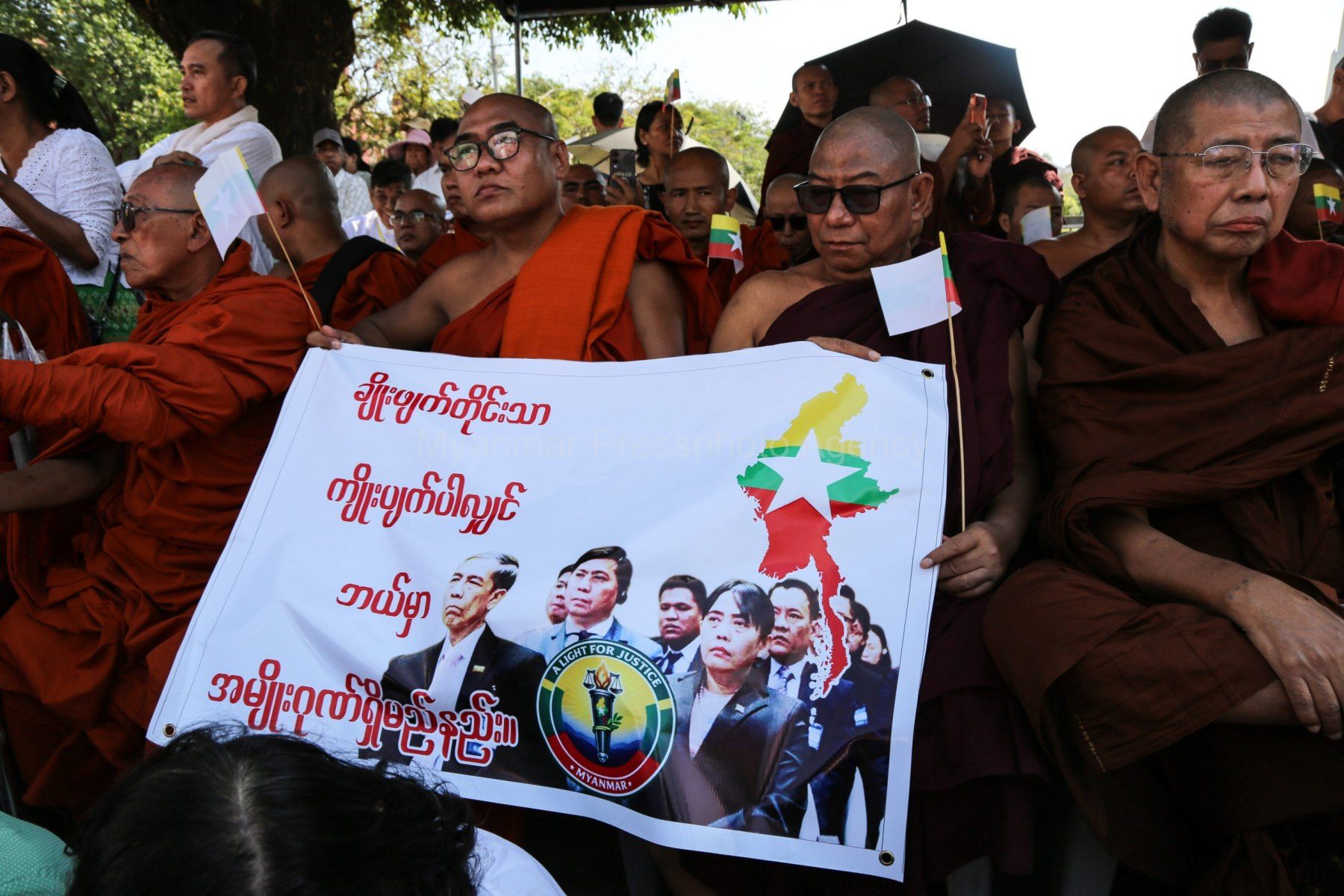
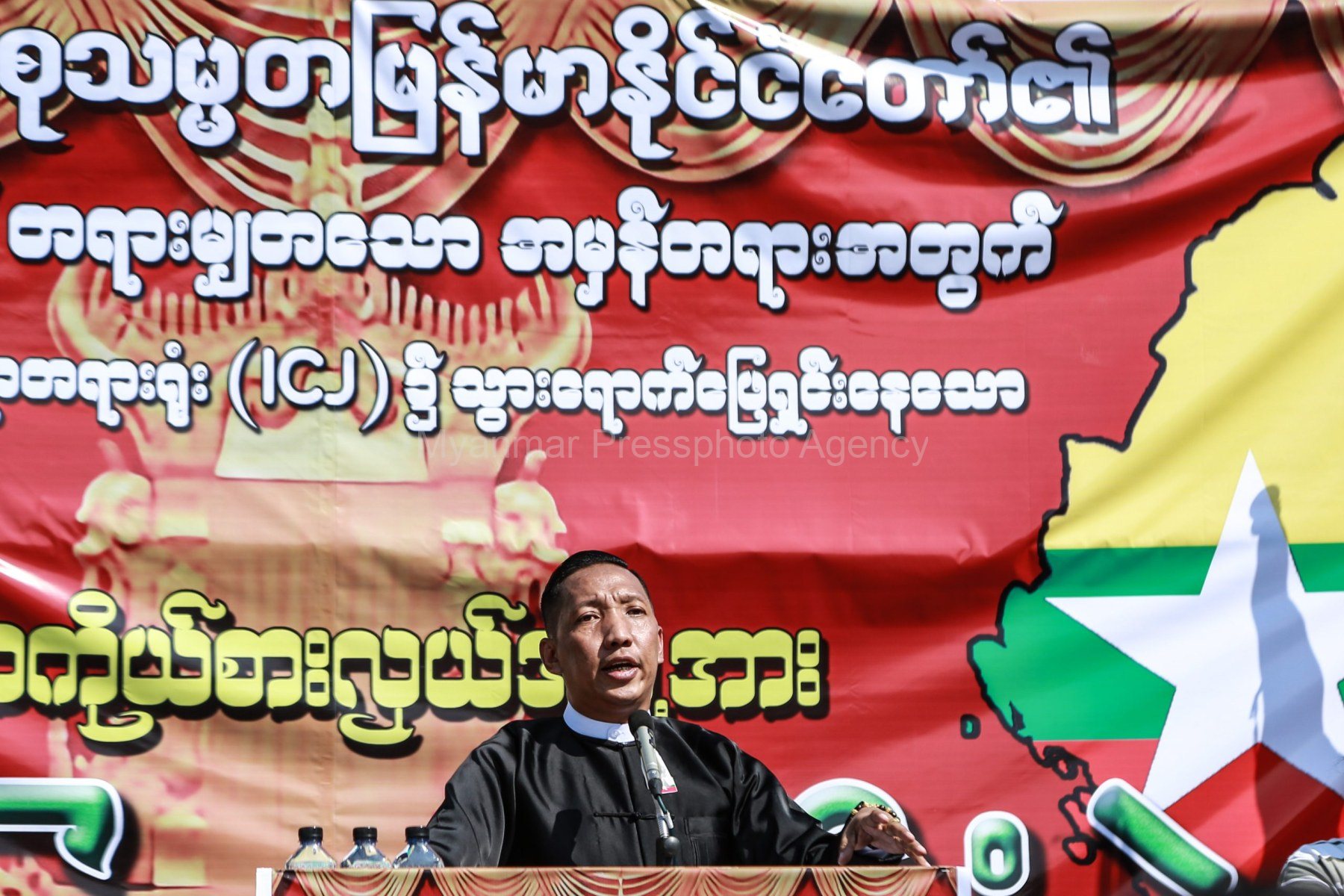
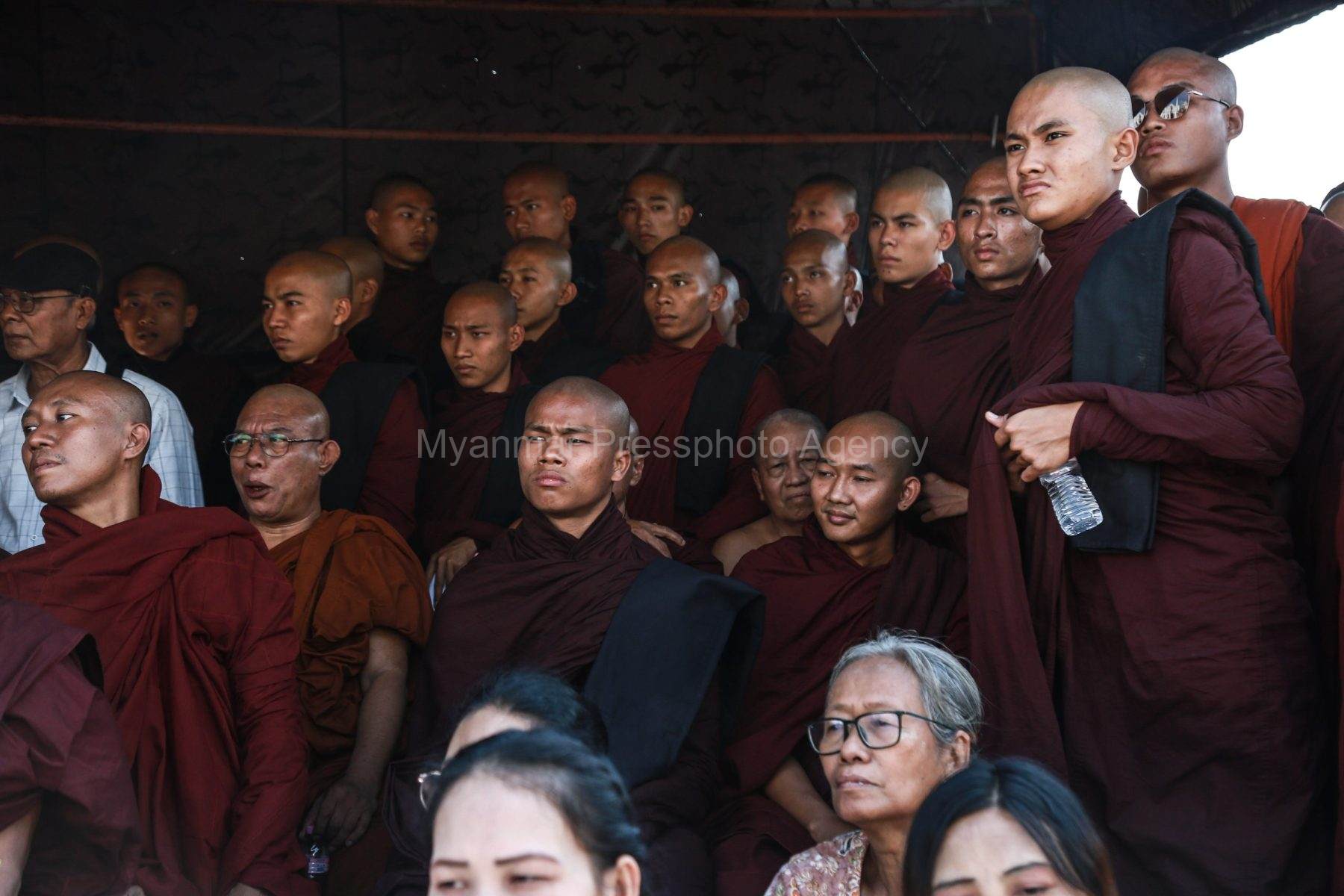
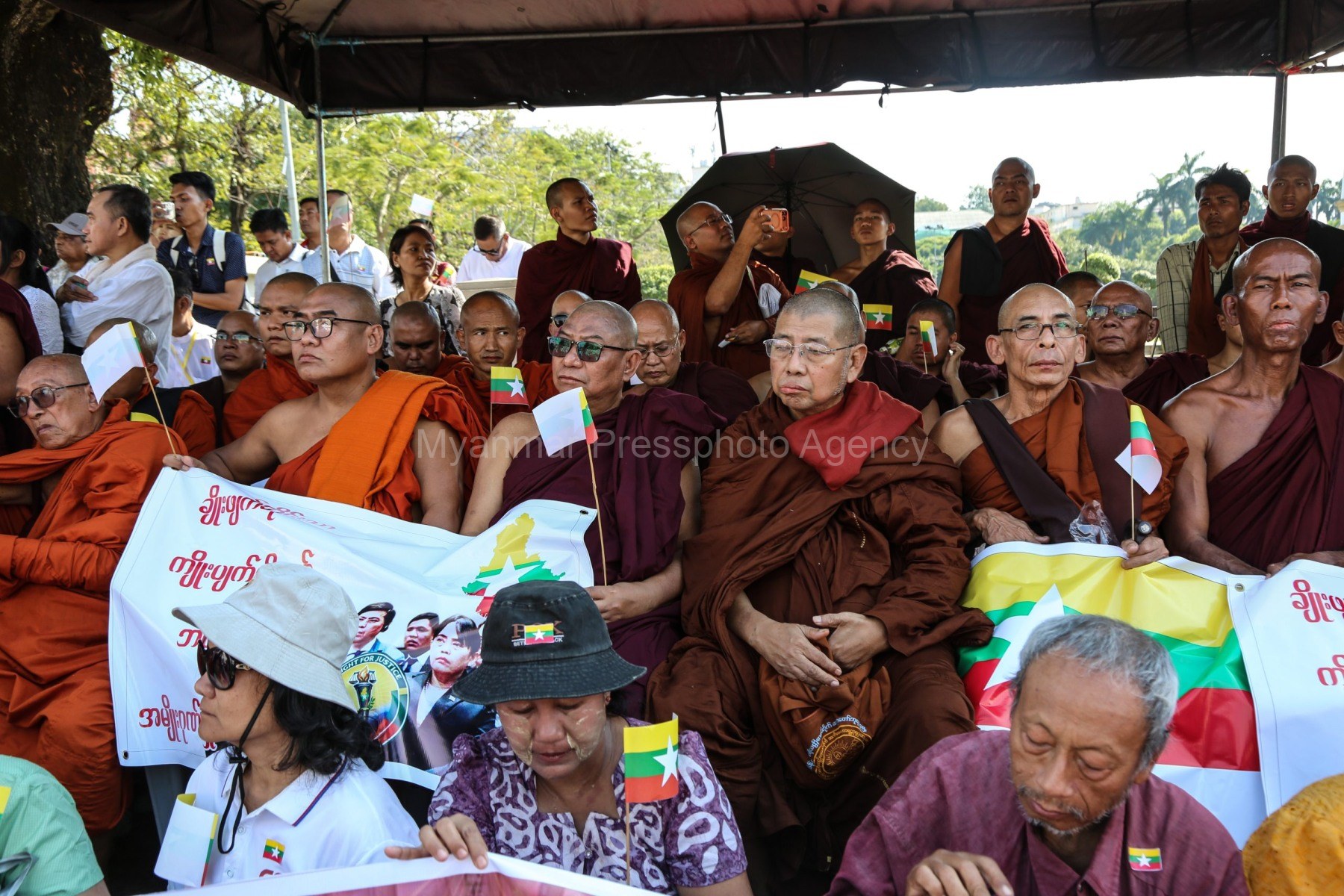
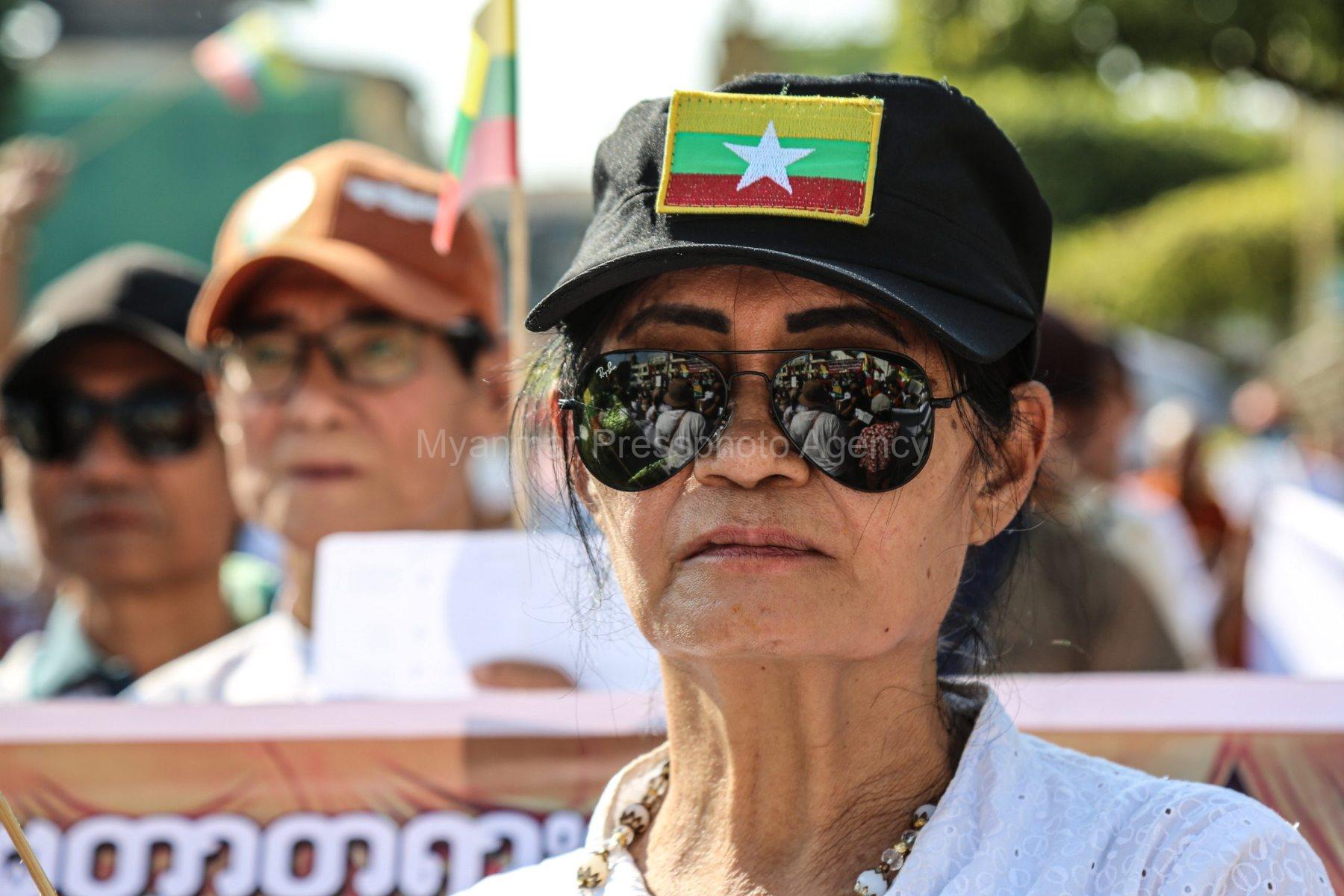
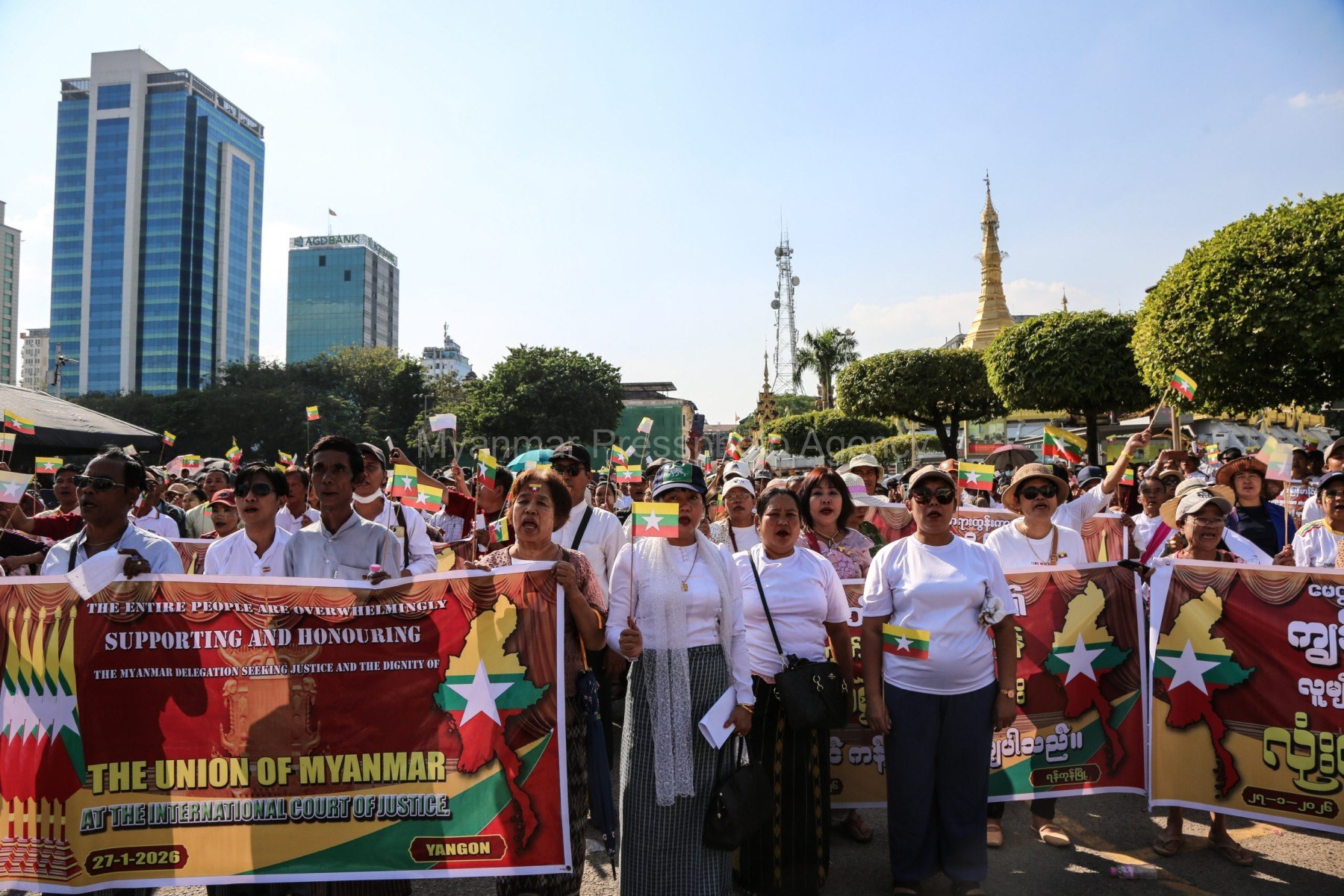
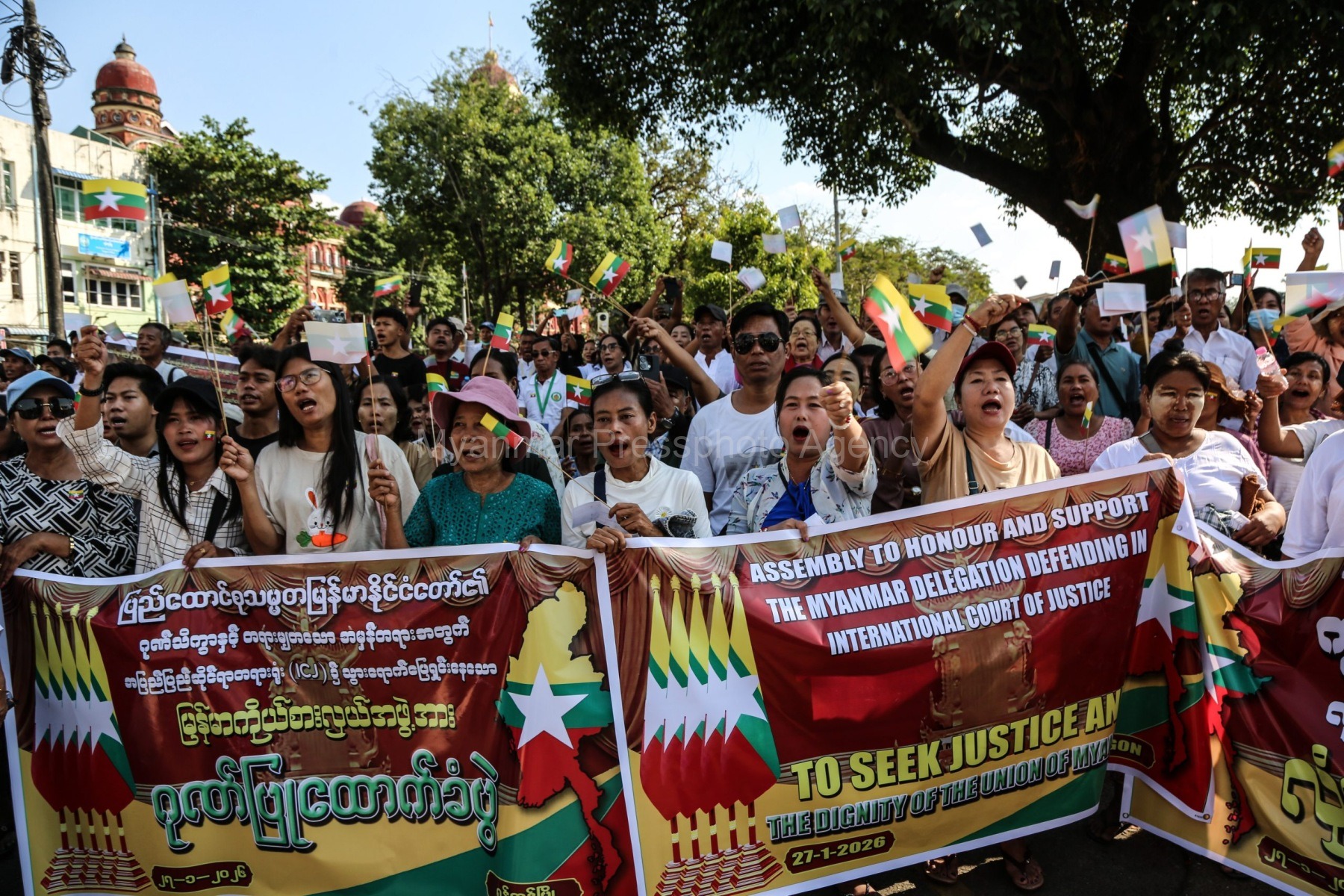
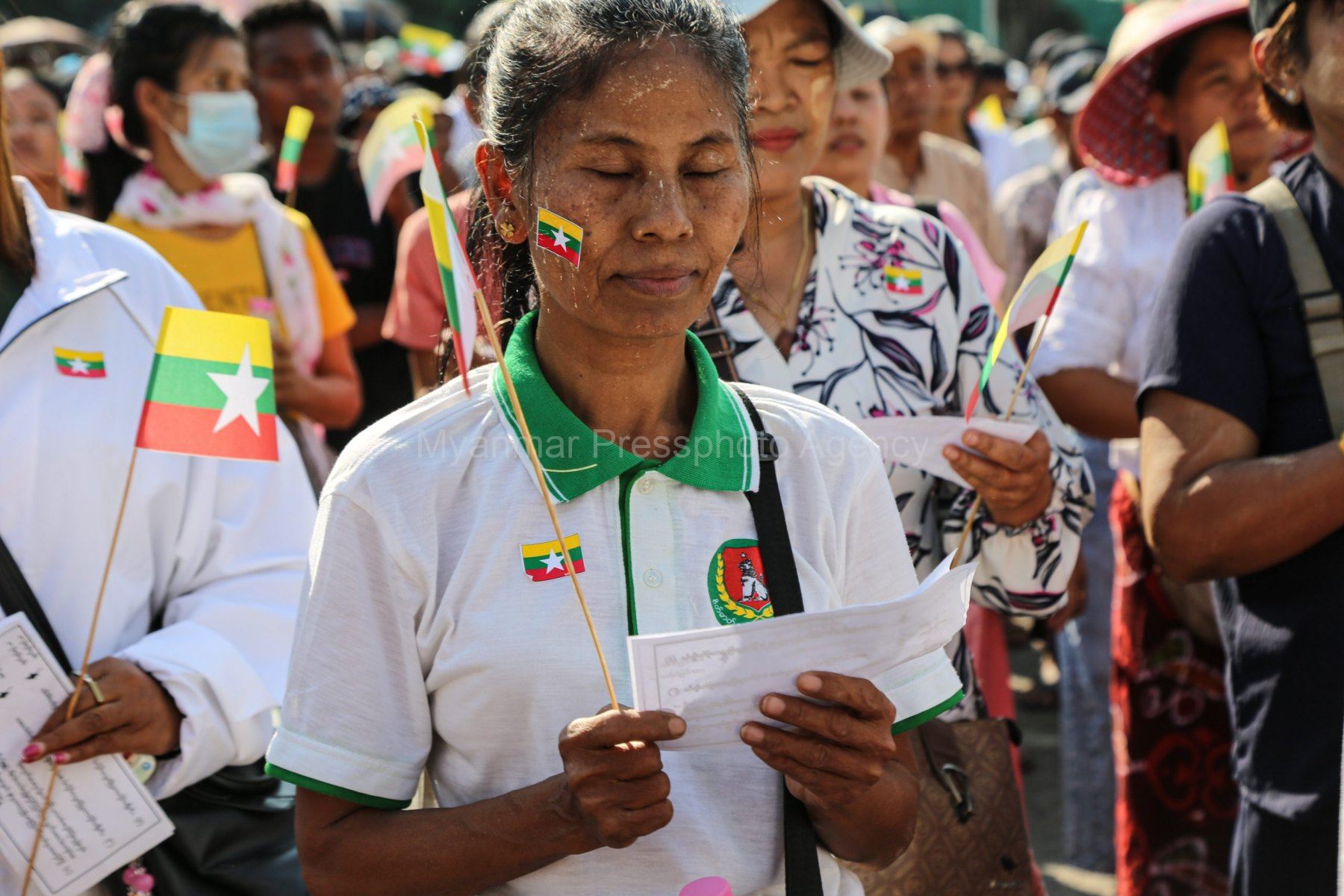
A hardline nationalist monk has led a rally in Yangon supporting Myanmar’s defence team at the International Court of Justice (ICJ), claiming that the country’s adherence to Buddhist precepts makes the accusation of genocide impossible.
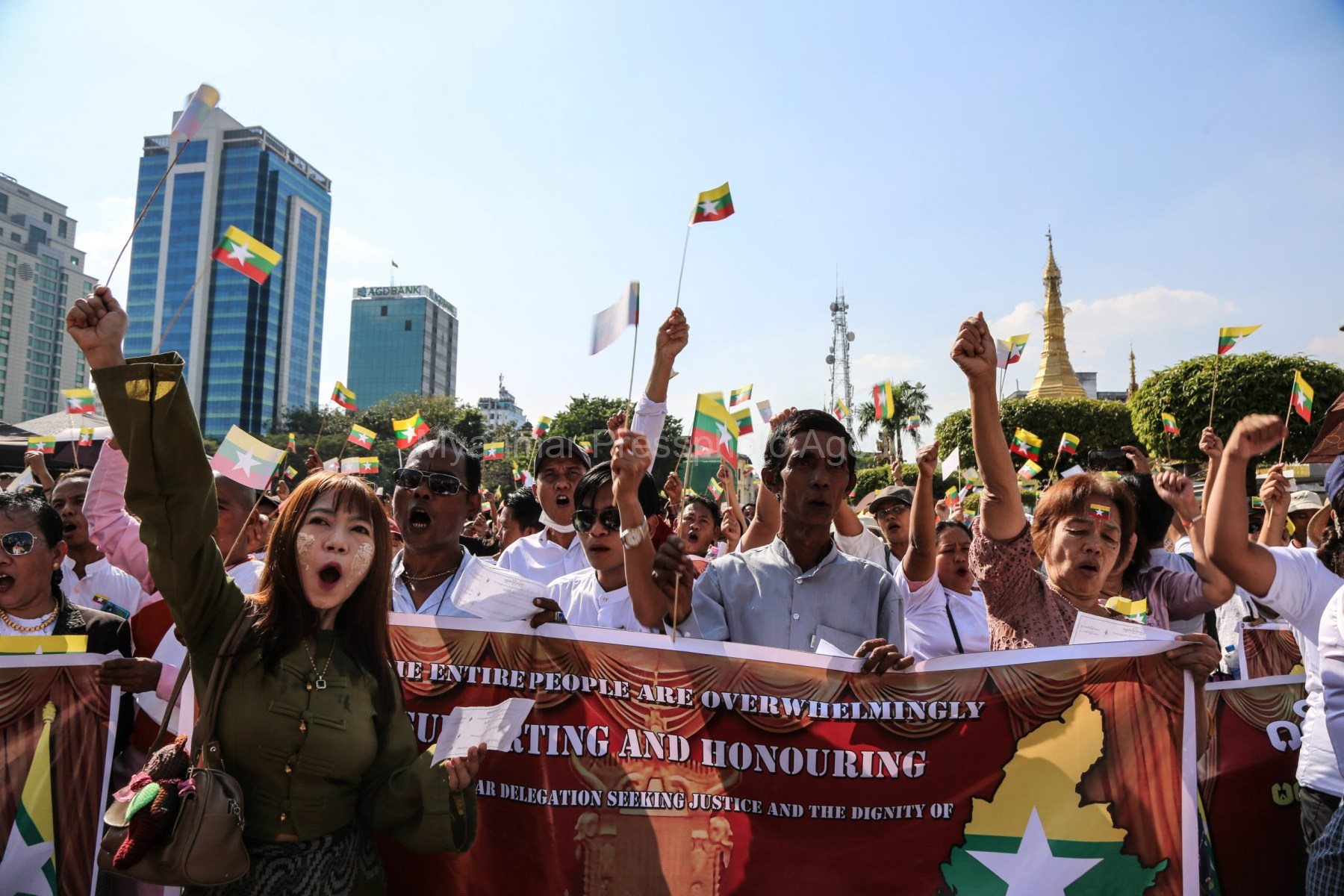
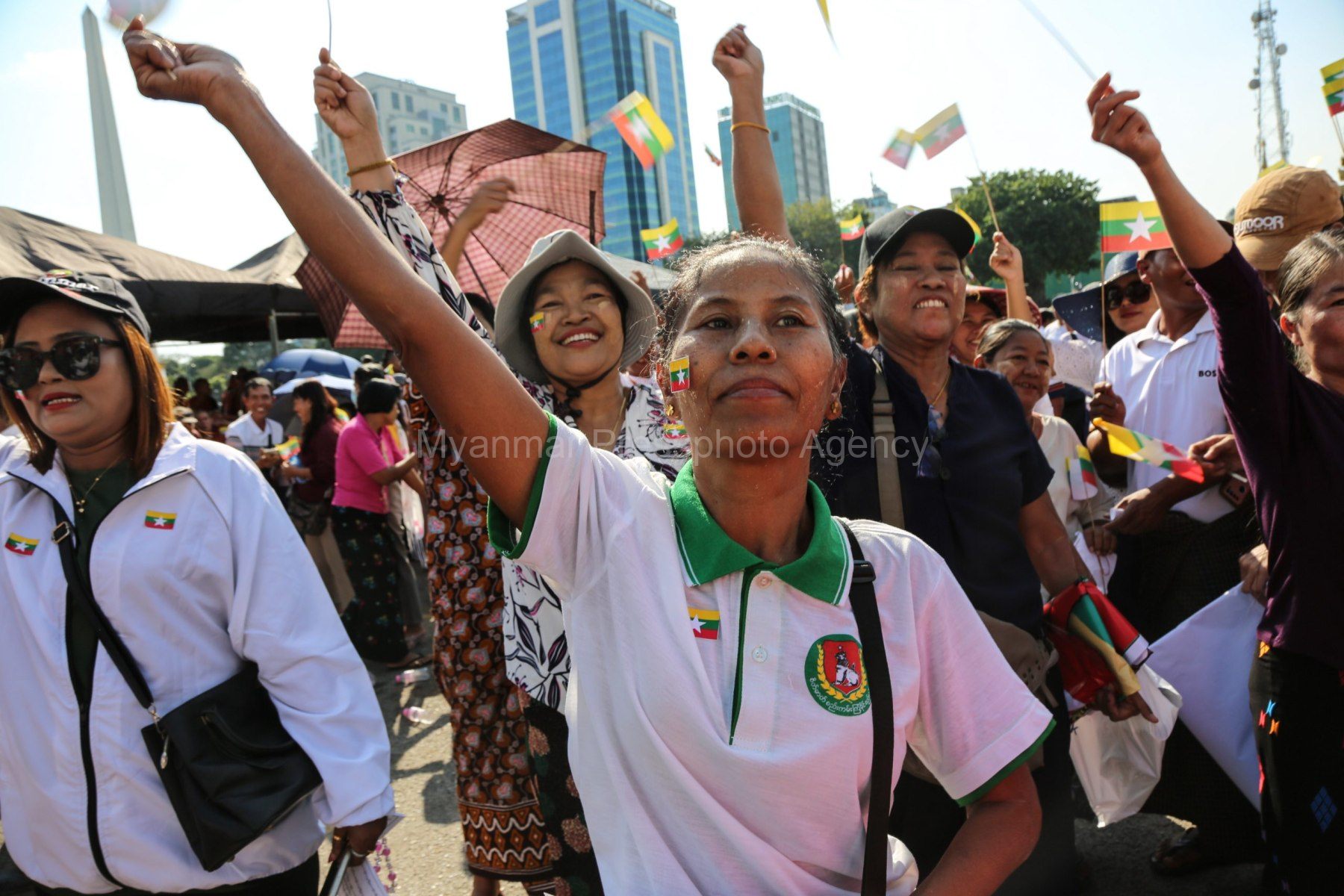
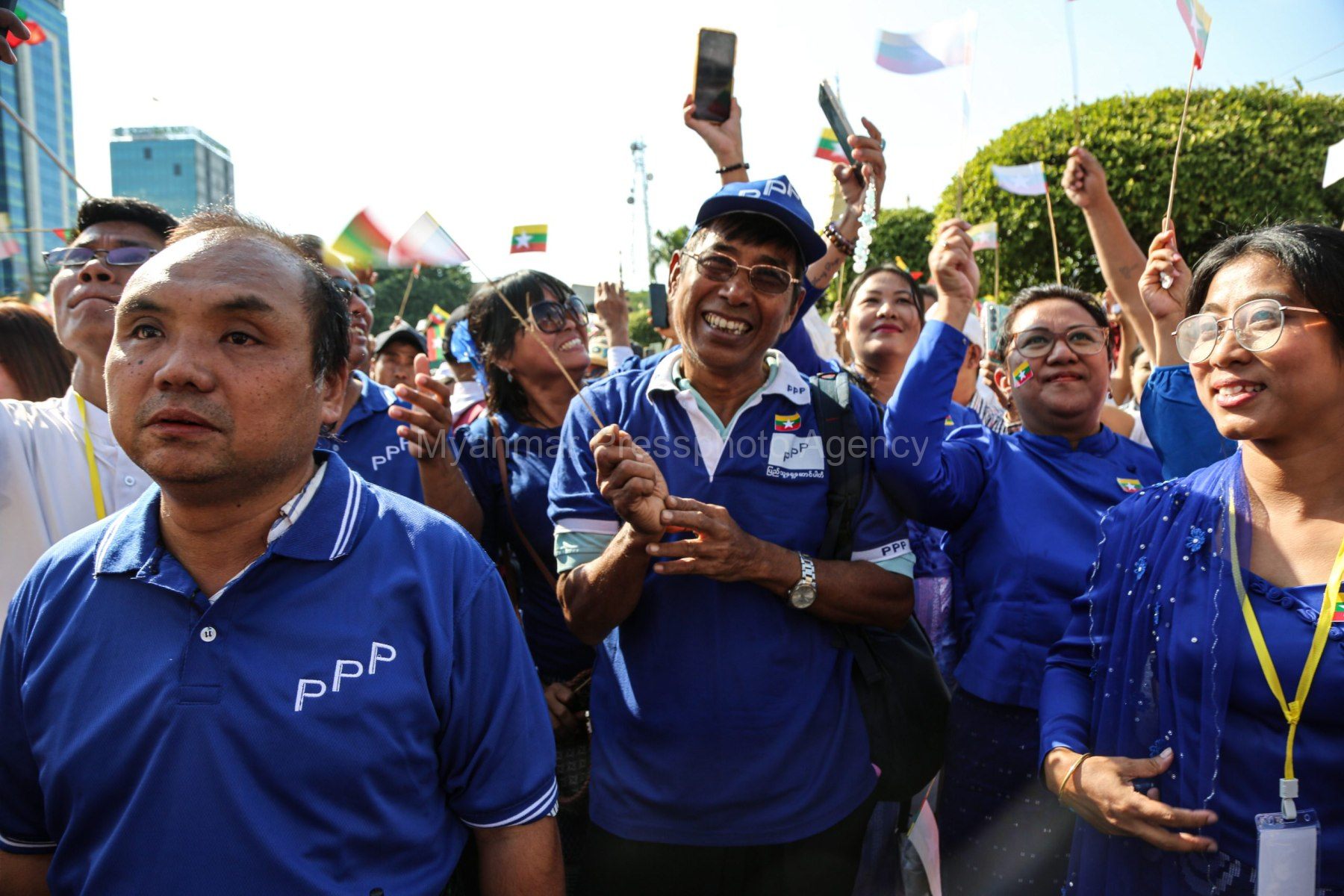
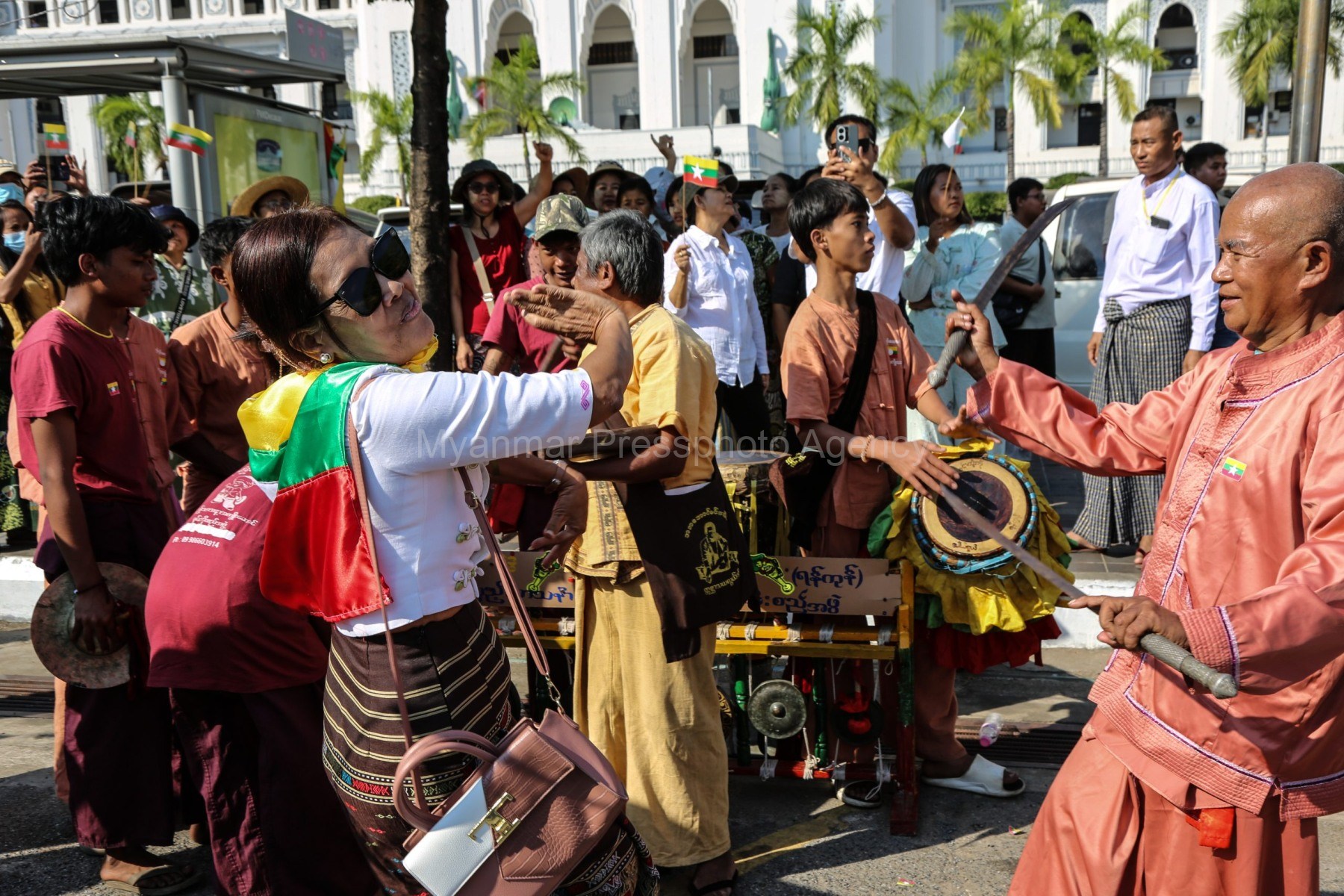
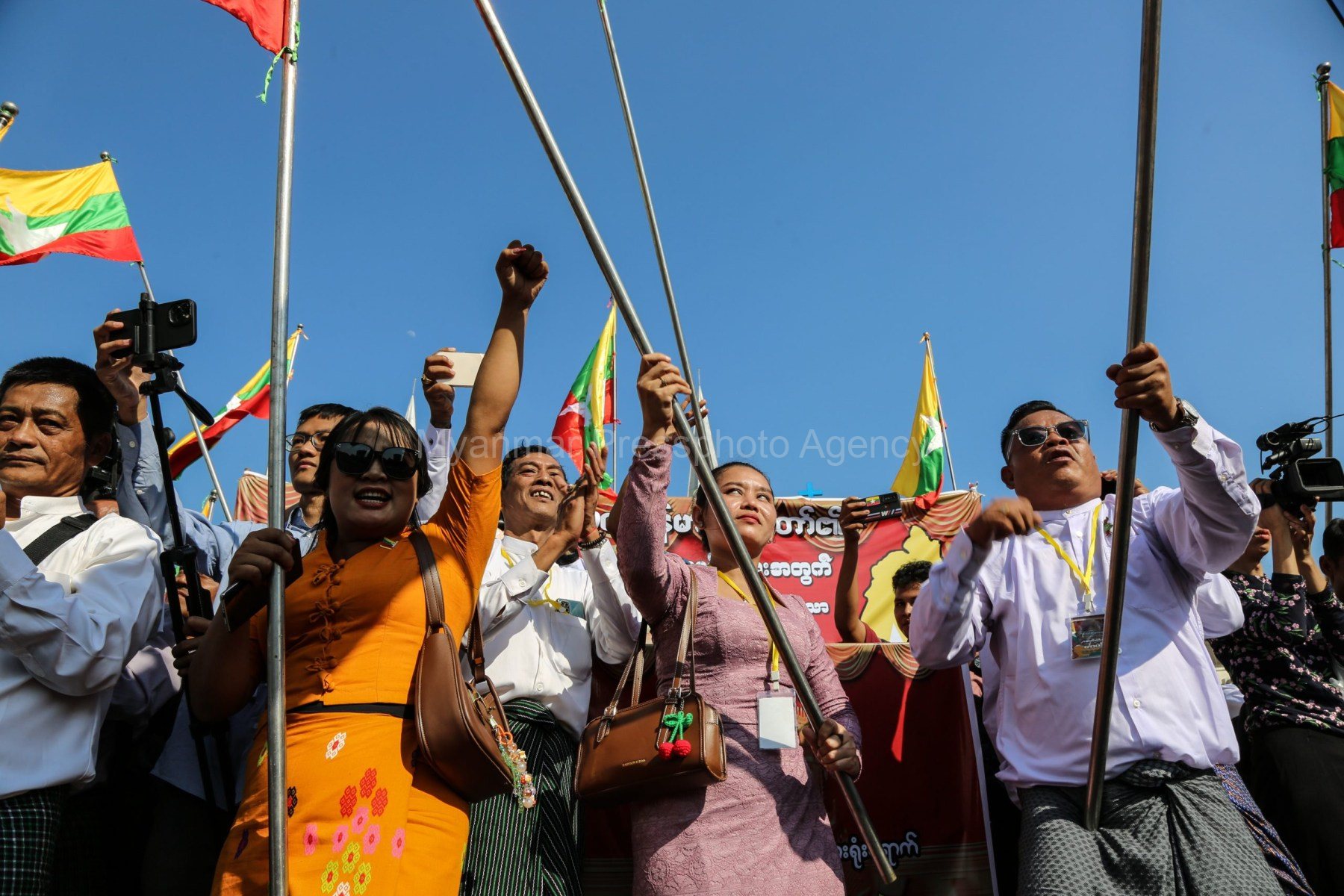
Speaking to a crowd of roughly 1,000 supporters at Mahabandoola Park on Tuesday afternoon, Ashin Thuseitta argued that a nation following the “Five Precepts” of Buddhism could not be guilty of the mass killings of Rohingya Muslims.
“In a country where, according to the precept against killing (Panatipata), one must not even kill a small animal, would we commit genocide?” he asked the crowd.
The rally was held to support the Myanmar delegation, led by Union Minister U Ko Ko Hlaing, which is currently presenting counter-arguments at the court in The Hague.
Observers and activists were quick to point out the inconsistencies in the monk’s narrative. Critics noted that this appeal to non-violence contradicts previous sermons by other top nationalist figures.
Most notably, the prominent Sitagu Sayadaw previously cited the “Dutthagamani” story to argue that killing those of a different faith does not result in heavy bad karma.
“Extremist monks are quite ridiculous,” one activist told MPA. “Now they claim they don’t even kill animals, yet previously [Sitagu Sayadaw] preached that killing non-Buddhists wasn’t a sin. They are speaking without discipline just to secure a win at the ICJ.”
Ashin Thuseitta, a key figure in the ultra-nationalist Ma Ba Tha movement, has a controversial history.
Under the previous National League for Democracy (NLD) government, he faced multiple lawsuits for incitement and attempting to create religious conflict. At the time, he evaded arrest, allegedly due to protection from the military.
The monk has also faced serious allegations of sexual misconduct. He was previously accused of locking a woman—the wife of a lay attendant—in a room at his monastery and raping her.
The rally in Yangon comes as Myanmar faces continued legal proceedings at the ICJ.
The country is defending itself against charges of genocide following the 2017 military crackdown, which forced over 700,000 Rohingya to flee to neighbouring Bangladesh.
Currently, nearly one million Rohingya remain in refugee camps in Bangladesh.
UN investigations have detailed mass killings, sexual violence, and the widespread burning of villages during the 2017 operations.
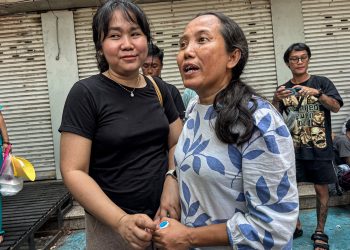
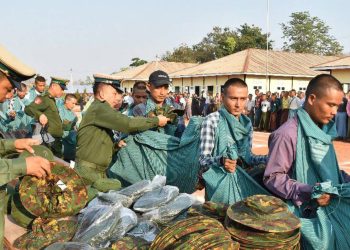
Despite these reports, the demonstrators in Yangon, led by nationalist figures including Win Ko Ko Latt and Htein Lin, held signs supporting the military’s delegation.
“There are about a thousand people here, complete with musical instruments,” a passerby told MPA.
Myanmar’s delegation is scheduled to present its counter-memorials at the ICJ between January 16-20 and January 28-29.