
15 May 2026 By Nway
TEDIM, Myanmar — The death of a 70-year-old guesthouse owner in the custody of an anti-junta resistance group has triggered intense local criticism and raised serious questions about the treatment of detainees by opposition forces in Chin State.
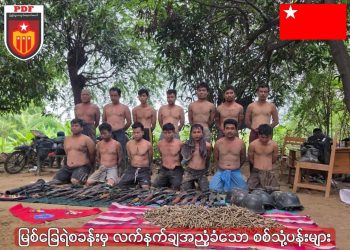
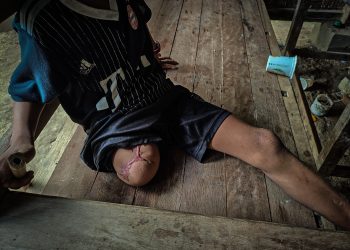
U Thang Khan Dal, the owner of the Cherry Guesthouse in Tedim, died on 13 May—just two days after he was apprehended by PDF Zoland, a local civilian defense force fighting Myanmar’s military regime.
PDF Zoland released a statement claiming that U Thang Khan Dal was a documented military informant who had ignored three prior warnings to cease his activities. The group stated that while in detention, the elderly man suffered a fatal brain hemorrhage brought on by pre-existing conditions, including diabetes and hypertension.
However, family members and local residents have openly challenged this official narrative. Speaking to MPA, a Tedim resident stated that the family was denied any visitation rights during the 48 hours of his detention, though his medications were accepted by the guards.
“When they returned the body to Saung Zan village on Wednesday night, his entire corpse was covered in severe bruises and signs of physical trauma,” the resident said. “They told us he died of a medical condition, but the marks on his body tell a completely different story. It has caused widespread criticism.”
“Whether he was actually a military informant or not, no one can say for certain,” another resident noted. “People usually trust that the resistance forces have valid reasons when they make an arrest. But when a man dies within days and his body is returned covered in wounds, it naturally damages trust.”
MPA repeatedly attempted to contact PDF Zoland for a response to the allegations of physical abuse, but the group has so far declined to comment. In its official press release, the group merely expressed its “deepest condolences” to the grieving family.
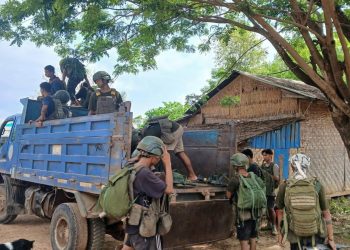
The incident comes at a time of extreme tension in Tedim, which remains under the administrative control of the military junta. Rumors have circulated for weeks that a coalition of Chin resistance forces is planning a major assault to liberate the town. In response, the military dispatched more than 600 reinforcement troops from Kalay in early May to fortify its urban positions.
While international attention heavily focuses on the war crimes committed by the ruling military junta, the death of U Thang Khan Dal highlights the growing friction regarding human rights standards, due process, and accountability within the ranks of Myanmar’s decentralized resistance movement.