
THREE PAGODAS PASS, Myanmar-Thailand Border — Following a series of high-profile crackdowns in the northern hub of Myawaddy, Chinese cyber-scam syndicates appear to have found a new stronghold further south in Three Pagodas Pass, operating under the protection of a powerful ethnic militia.
Local residents report that thousands of Chinese nationals have flooded the border town since late 2025. These groups are allegedly utilizing land owned by officers of the Democratic Karen Buddhist Army (DKBA) to establish large-scale online fraud centers, commonly known in the region as “Kyat Phant.”
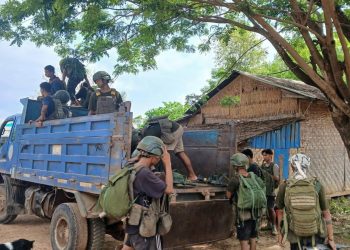
Witnesses claim that new compounds have been rapidly constructed within plantations belonging to DKBA officers, most notably those of General A One. One of the primary sites is reportedly located within the Chaung Sone (Htee Loung Yhu) waterfall resort area—a natural tourist spot now strictly guarded by armed militia personnel.
“There are thousands of them now,” a local resident told MPA. “Initially, they roamed the town, but after local complaints increased, they moved into these private compounds. No authorities dare to inspect these areas. DKBA soldiers provide security at the gates, making it a lawless zone for anyone else.”
The influx has brought a wave of illicit activity to the quiet border town. Residents describe a surge in high-end KTVs, hotels, and casinos—often used as fronts for fraud operations—where drugs and gambling are openly accessible.
“Drug prices in the town have dropped to just a few thousand kyats because they are so readily available,” said a local motorcycle taxi driver. “We are seeing more youth falling into addiction, and crime rates like robbery and murder are rising. The locals are the ones suffering the long-term consequences.”
Sources close to the militia suggest that the operations are not merely local. It is alleged that monthly “protection fees” and construction commissions are regularly paid to high-ranking officials within the military junta’s South Eastern Command. This collusion suggests a systemic infrastructure that protects the syndicates from international law enforcement.
The move to Three Pagodas Pass comes after a combined pressure campaign by China, Myanmar, and Thailand successfully dismantled similar hubs in the Kokang and Myawaddy regions. While the DKBA issued a public notice earlier this year for foreigners to leave, observers dismiss it as a “show for the public,” as illegal entries across the Kanchanaburi-Myanmar border continue to be documented.
In an effort to curb the syndicates, the Thai government cut off electricity, internet, and fuel supplies to Three Pagodas Pass in February 2025. However, more than a year later, the fraud centers remain fully operational, reportedly utilizing private generators and satellite internet systems to maintain their global reach.
As the shadow economy deepens its roots, Three Pagodas Pass—a town once known for its historical monuments and border trade—is rapidly transforming into a fortified enclave for international organized crime, posing a renewed challenge for regional security.