
SHWEBO, Myanmar — Authorities at Shwebo Prison in central Myanmar are running a systematic extortion racket, charging political prisoners and their families hundreds of dollars for basic visitation rights, according to a leading rights group.
The Women’s Organization for Political Prisoners (WOPP) reported on Monday that families are being forced to pay bribes and provide expensive gifts to officials in exchange for “special visits” and better living conditions inside the facility.
While nationwide prison visits were officially resumed in late 2023, WOPP alleges that Shwebo Prison authorities used “security concerns” as a pretext to keep the facility closed to the public through 2024, allowing them to monetize access through a shadow system of bribes.
“When international attention on prisons fades, the oppression intensifies,” said Ma Zu Zu May Yun, a spokesperson for WOPP. “Authorities are not only demanding money for visits but are also selling basic improvements to a prisoner’s life, such as moving from a cell to a ward or securing lighter labor assignments.”
According to sources close to the prison, a “standard” visit can cost a family upwards of 450,000 Kyat (approx. $135 USD)—a staggering sum in a country where the economy has collapsed. The breakdown of bribes reportedly includes payments to the head warden, deputy wardens, and ward leaders, often supplemented with hampers of luxury goods.
The allegations come despite a recent inspection by the Director-General of the Prisons Department. WOPP claims that prior to the visit, officials coerced five male and five female prisoners into testifying that no bribes were being taken. This “forced testimony” was subsequently broadcast on state-controlled propaganda channels to dismiss reports of corruption as “fake news.”
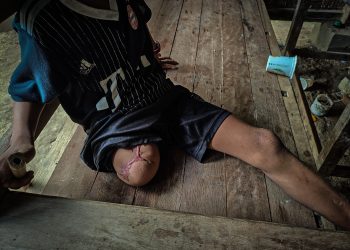
The reality behind the walls remains grim. Beyond the financial extortion, political detainees continue to report being treated with less dignity than livestock. Reports suggest that prisoners are only fed after guards have provided for their own families and fed the pigs and dogs raised on the prison grounds.
The situation in Shwebo is a microcosm of a broader crisis within Myanmar’s penal system. Since the 2021 coup, more than 30,000 people have been detained, with over 6,000 of them being women, according to the Assistance Association for Political Prisoners (AAPP).
Rights activists are calling for urgent international intervention. “The use of political prisoners as a source of revenue is a loathsome act,” said a former detainee from Mandalay’s Obo Prison. WOPP has urged international monitoring bodies to investigate the human rights violations in Shwebo, warning that without outside scrutiny, the dignity and safety of those held behind bars will continue to be bartered for profit.