
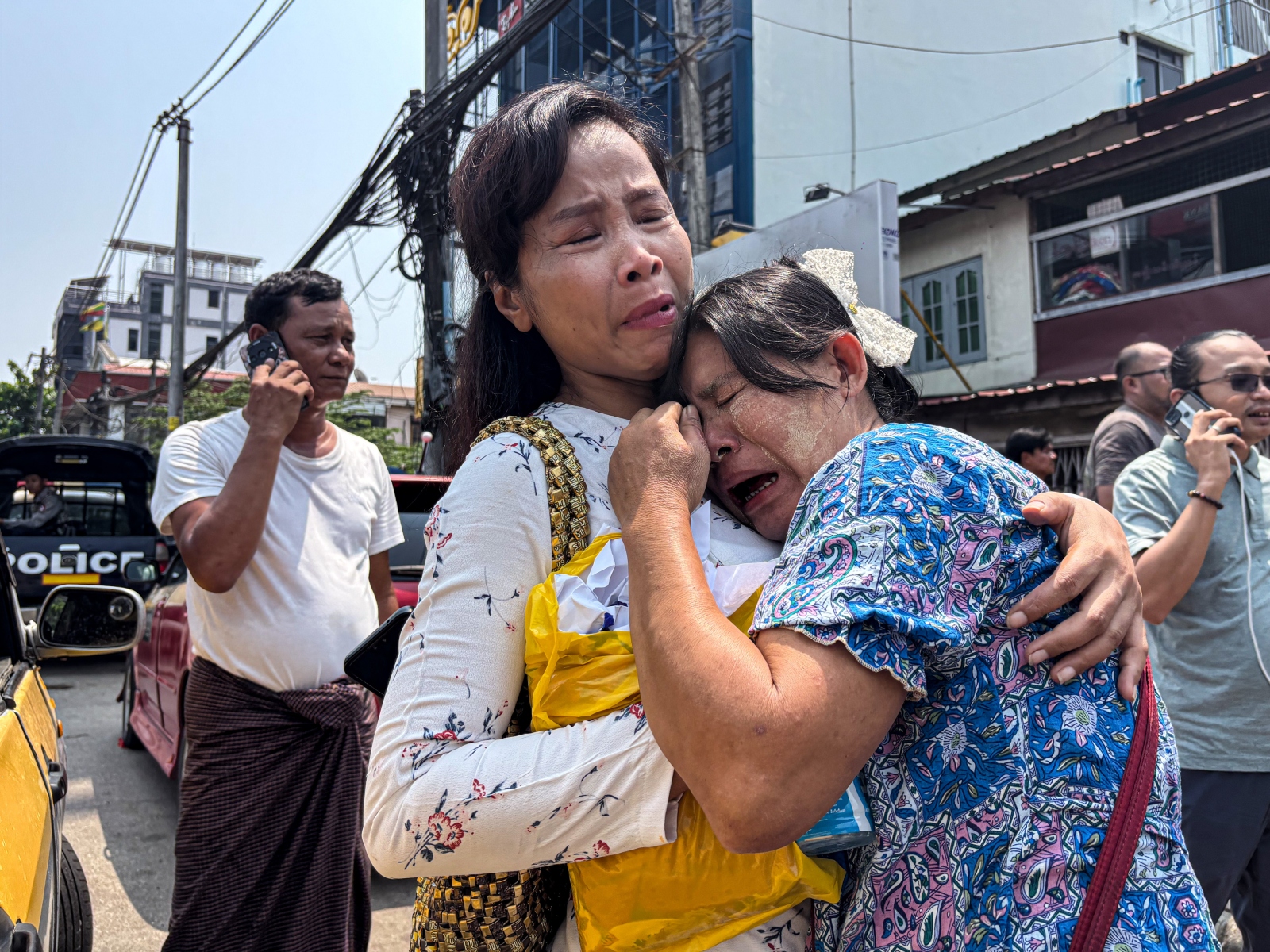
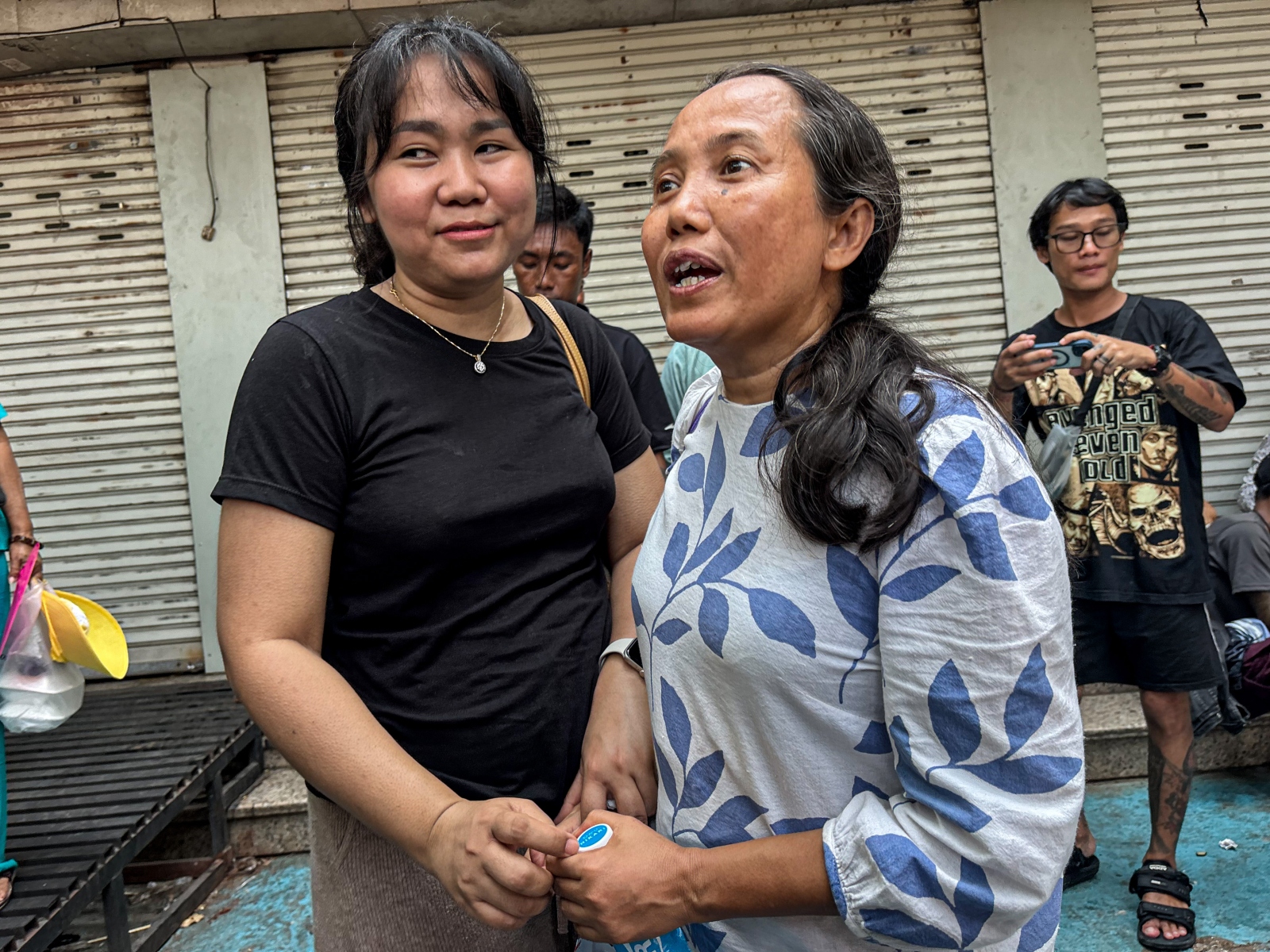
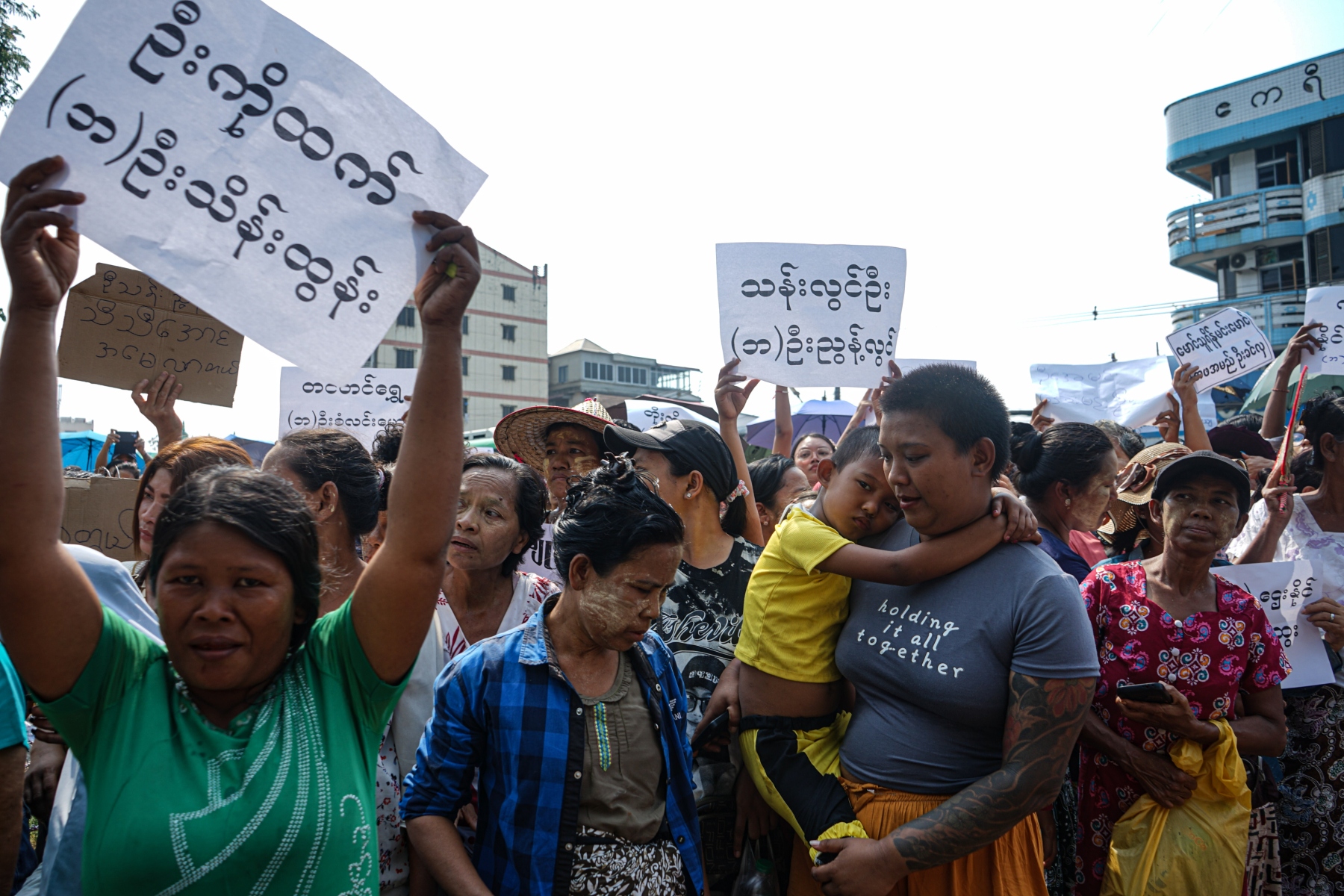
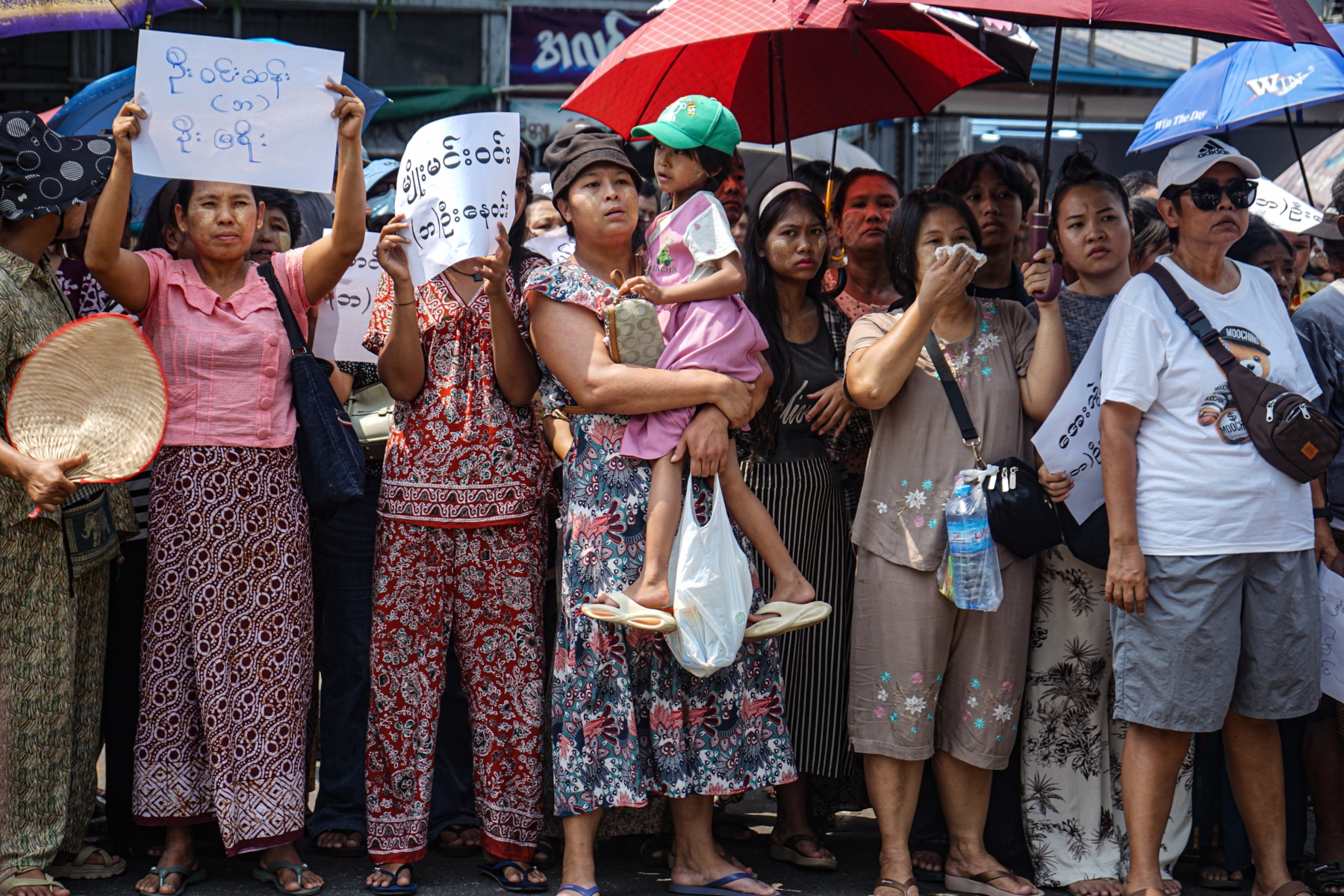
Families who gathered outside Yangon’s notorious Insein Prison on the first day of the Buddhist New Year have been left in tears, as the vast majority of political prisoners remained behind bars despite a military-ordered mass pardon.
The military authorities announced on Friday that 4,335 prisoners across the country would be granted amnesty to mark the start of the Burmese year 1388. However, eyewitnesses and rights monitors report that those released were predominantly convicted of criminal offences rather than the political charges used to suppress dissent.
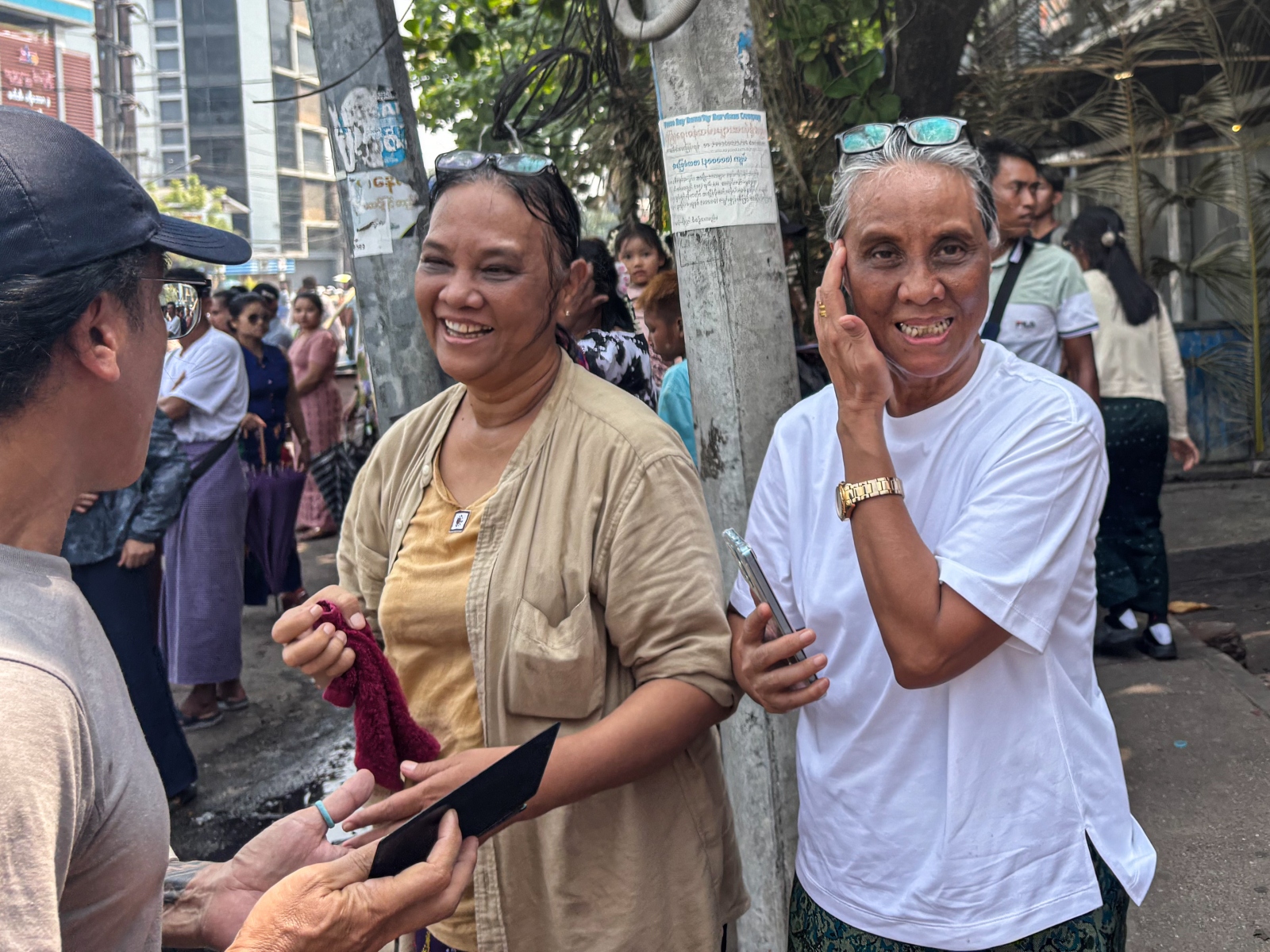
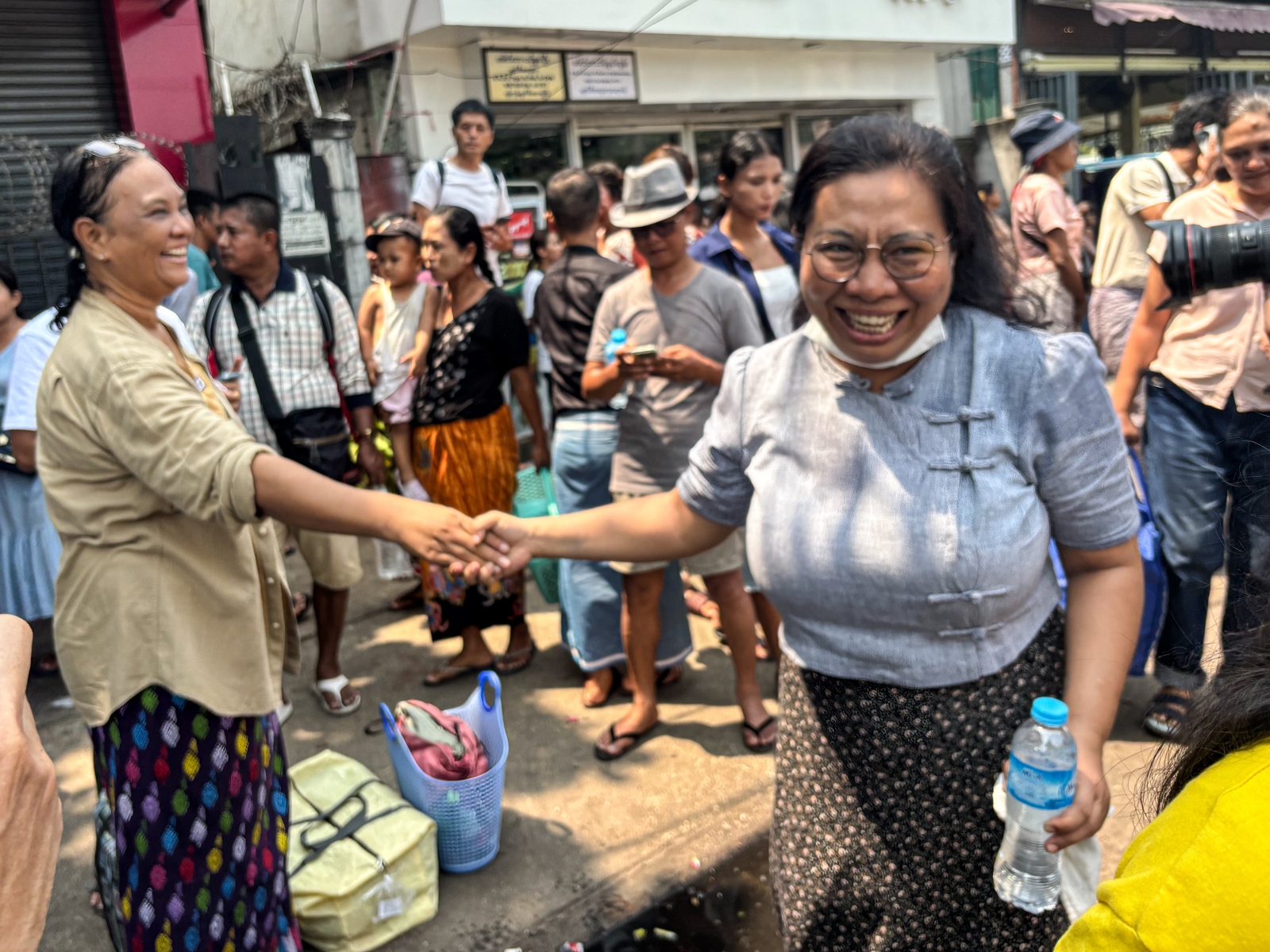
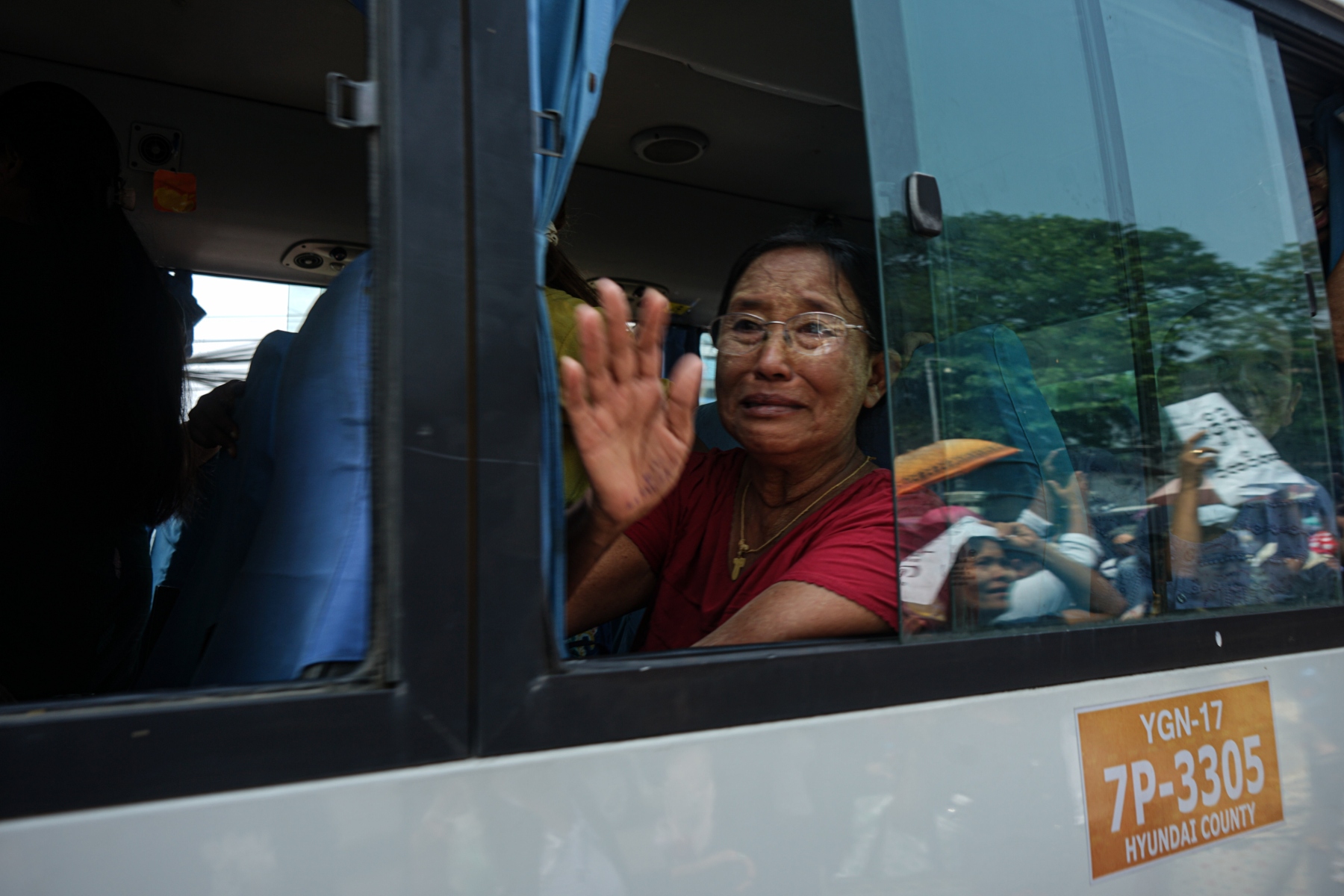
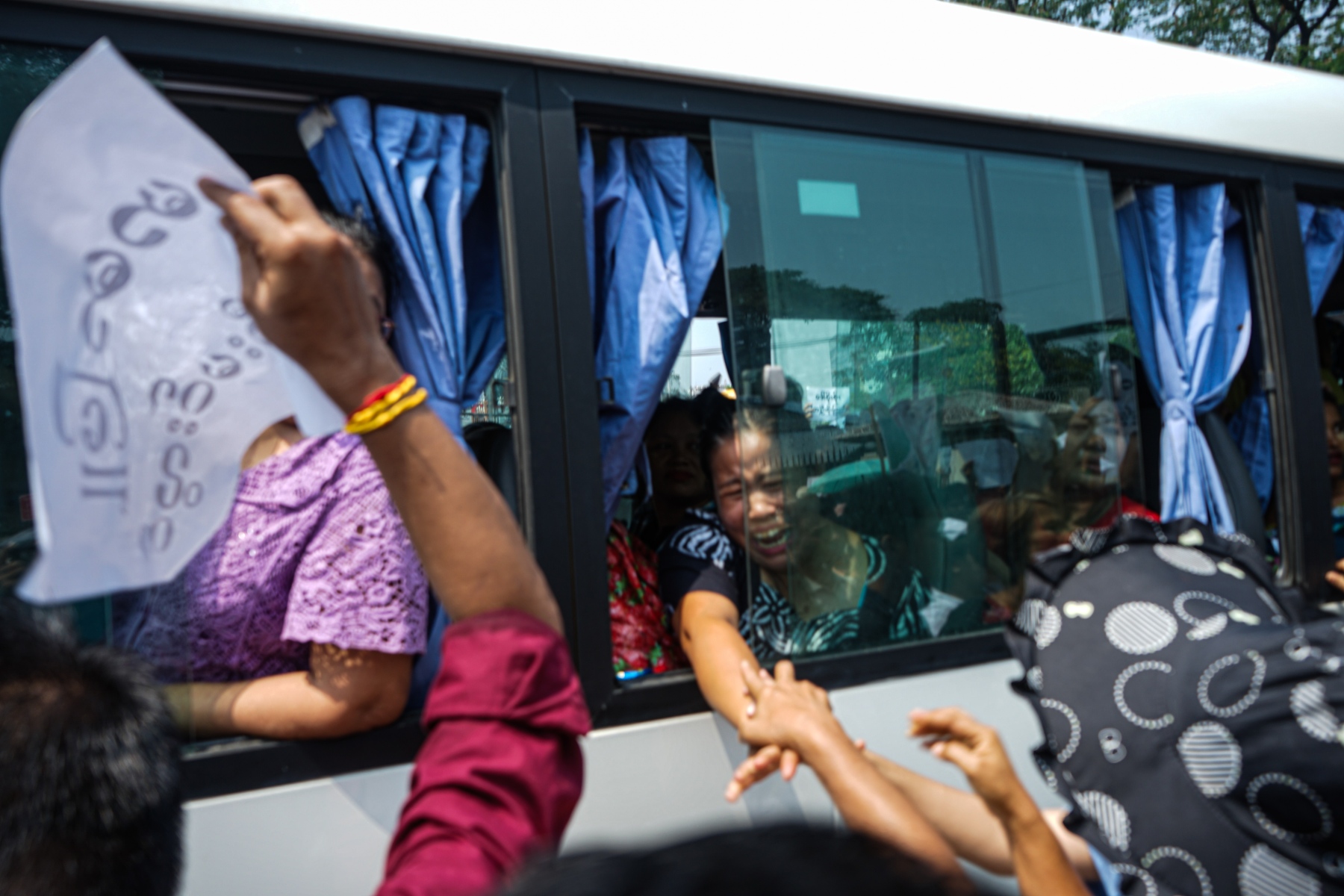
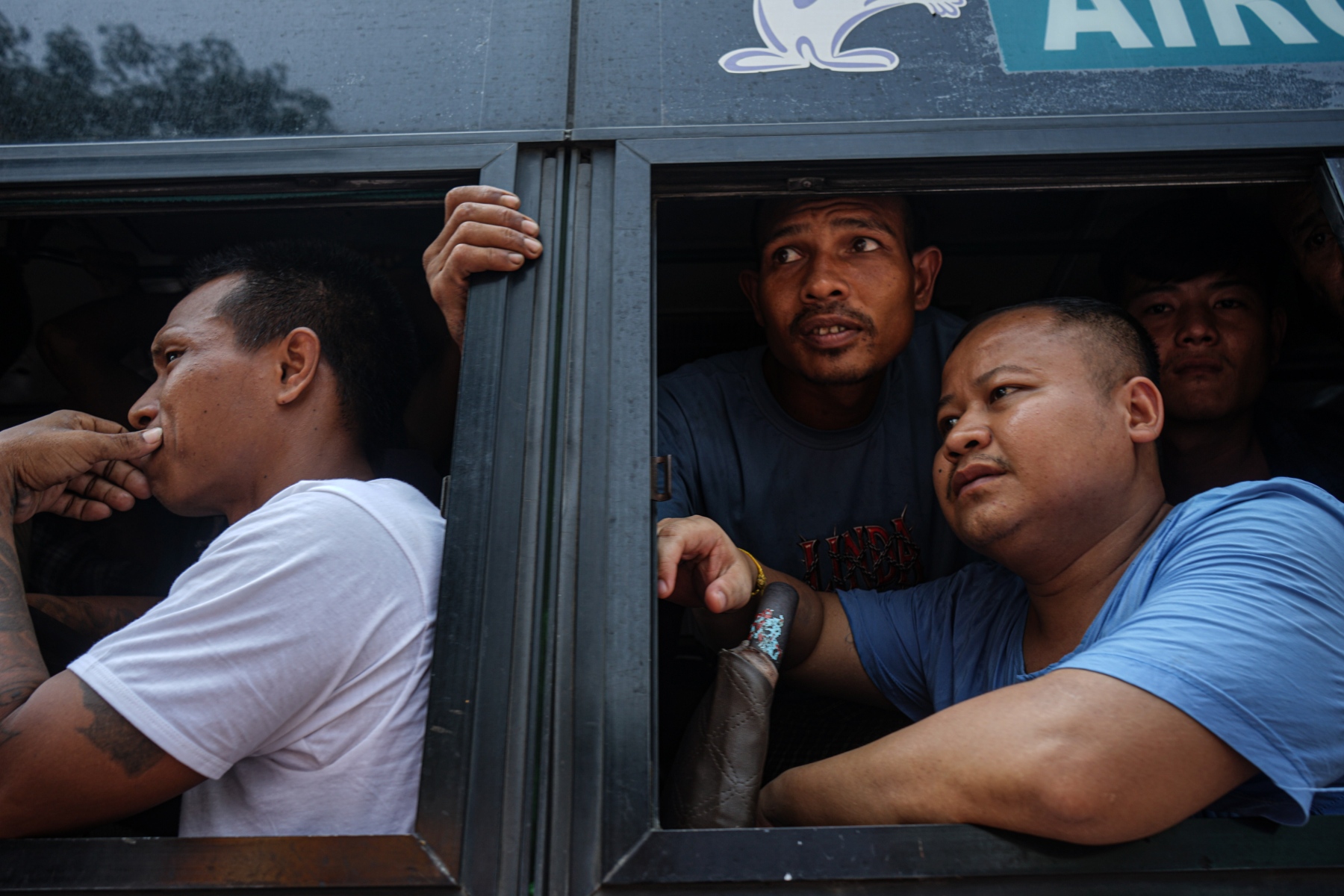
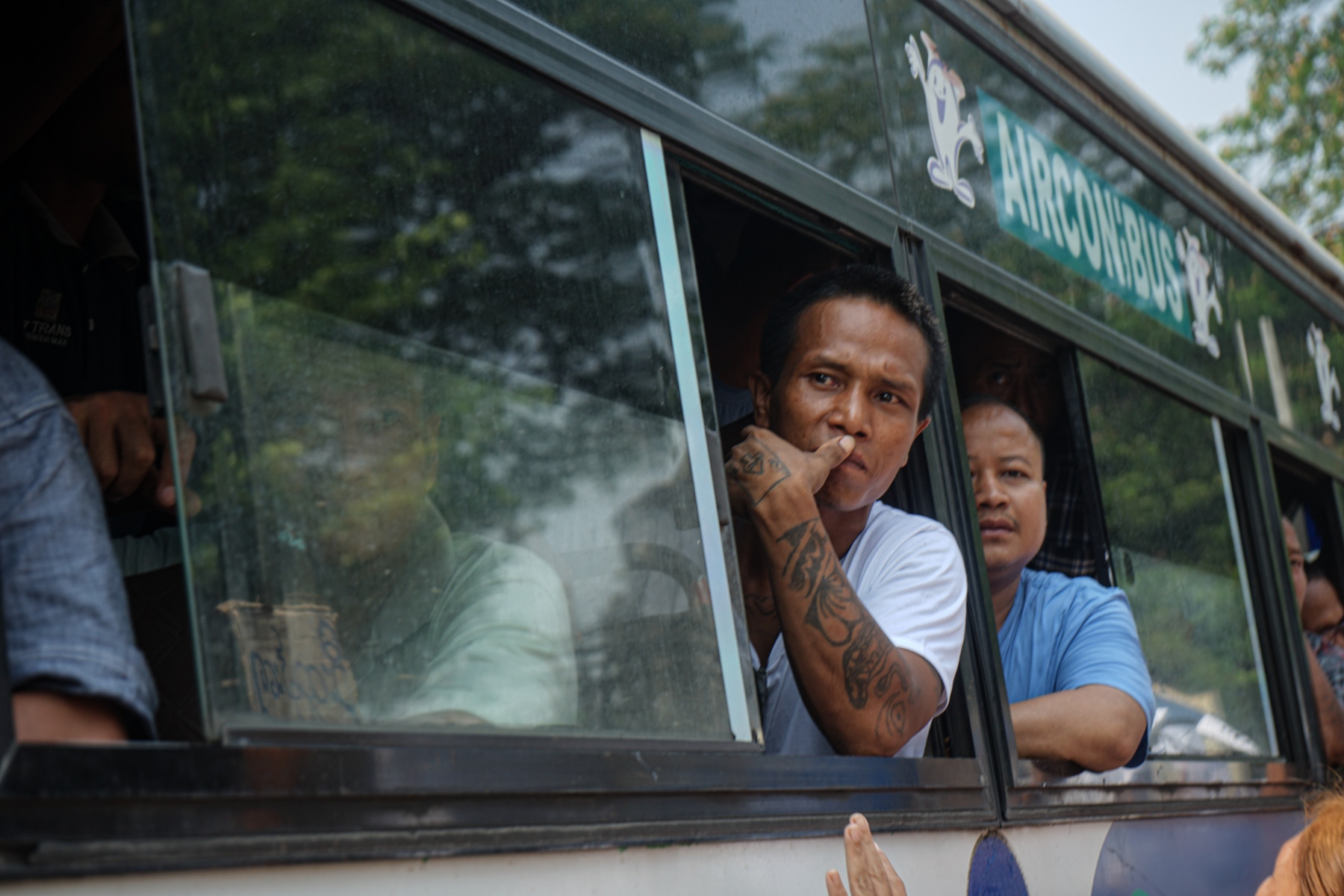
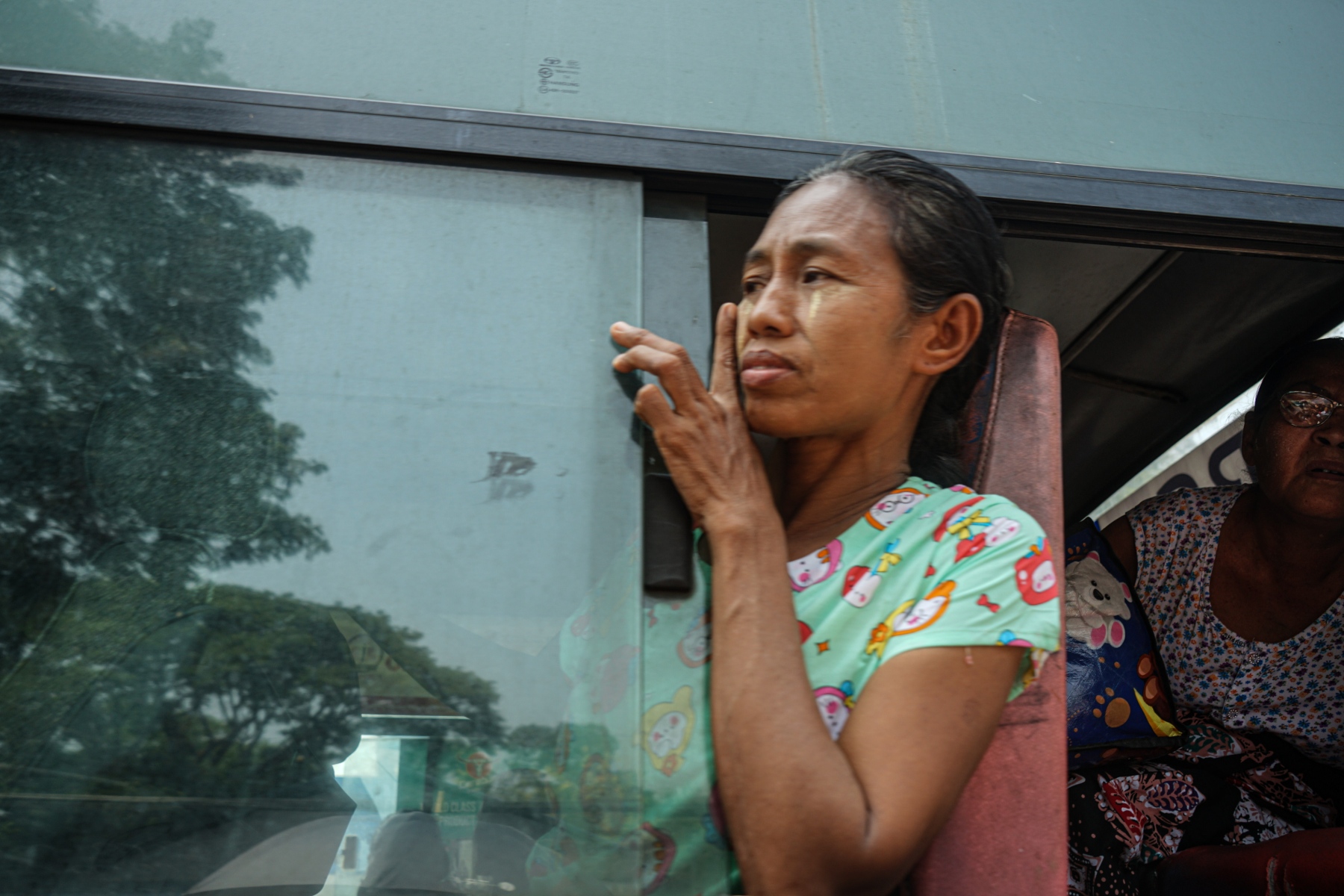
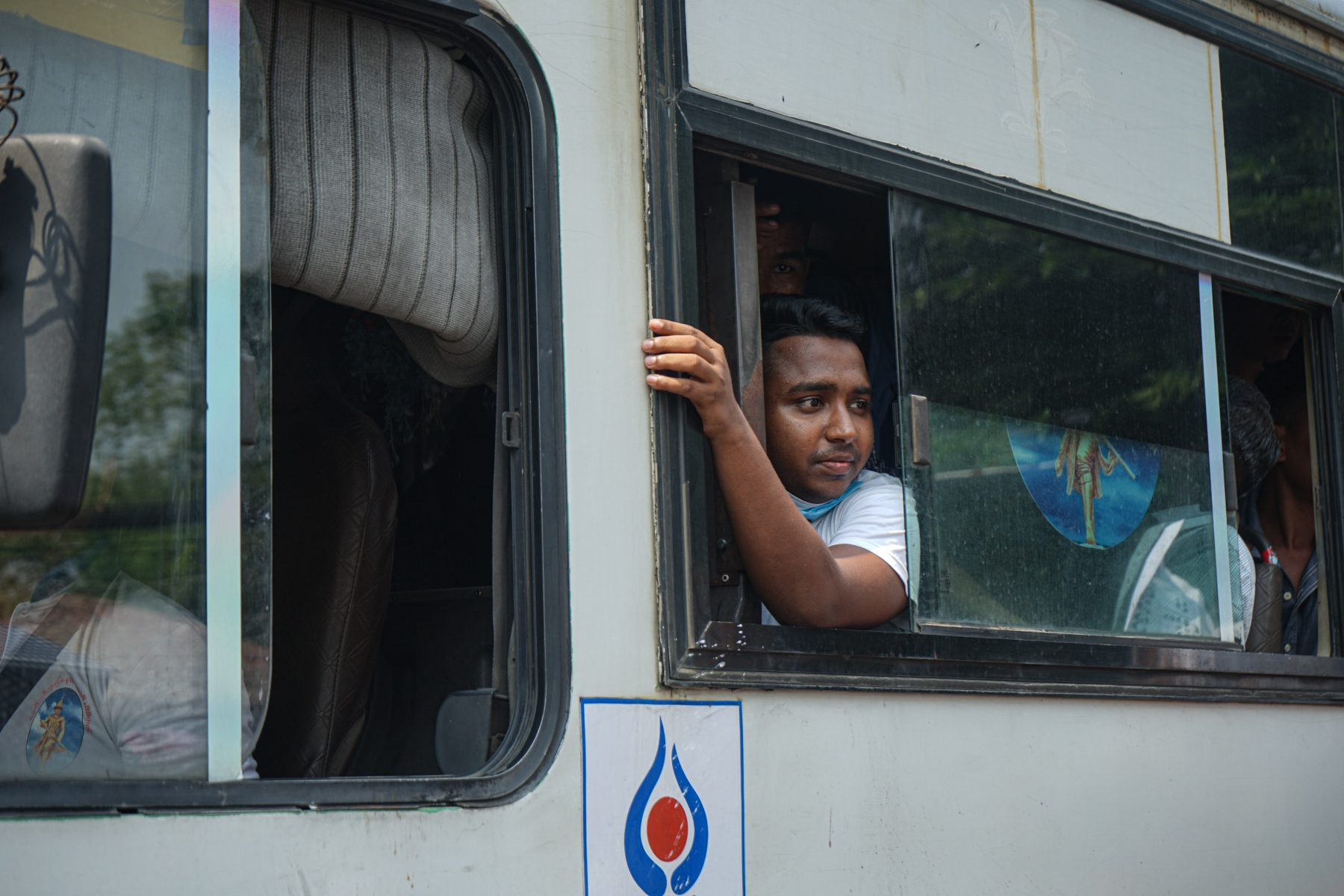
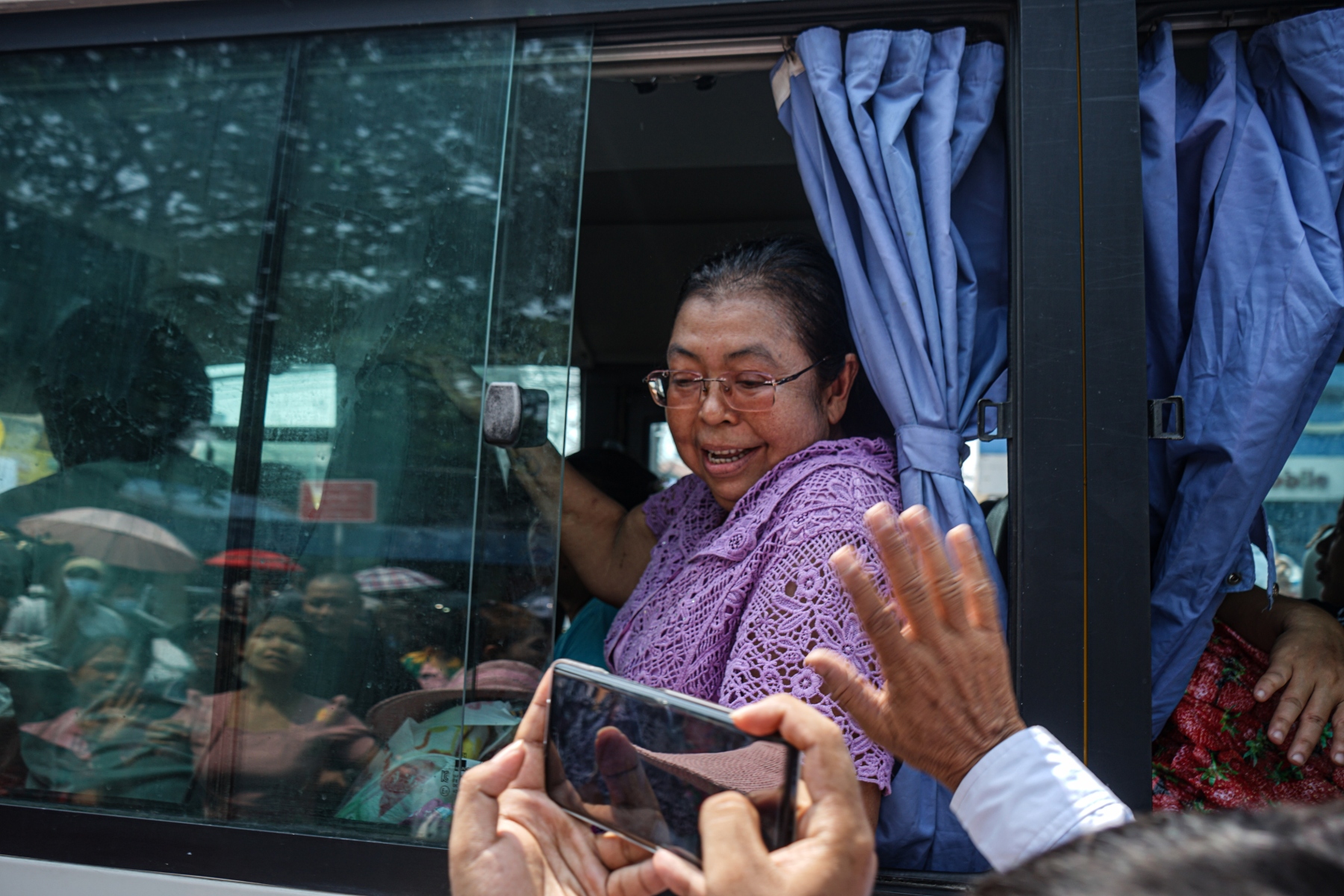
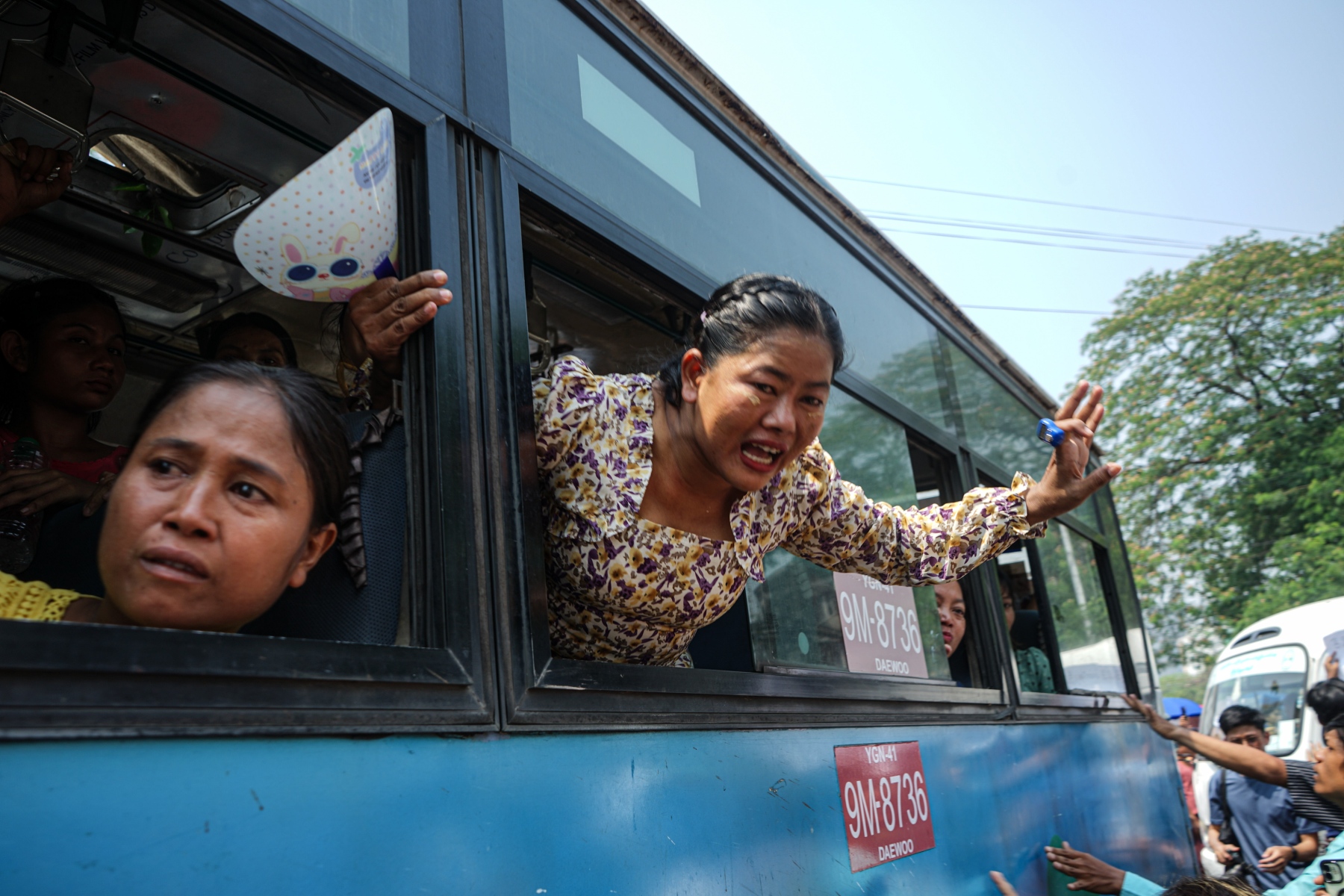
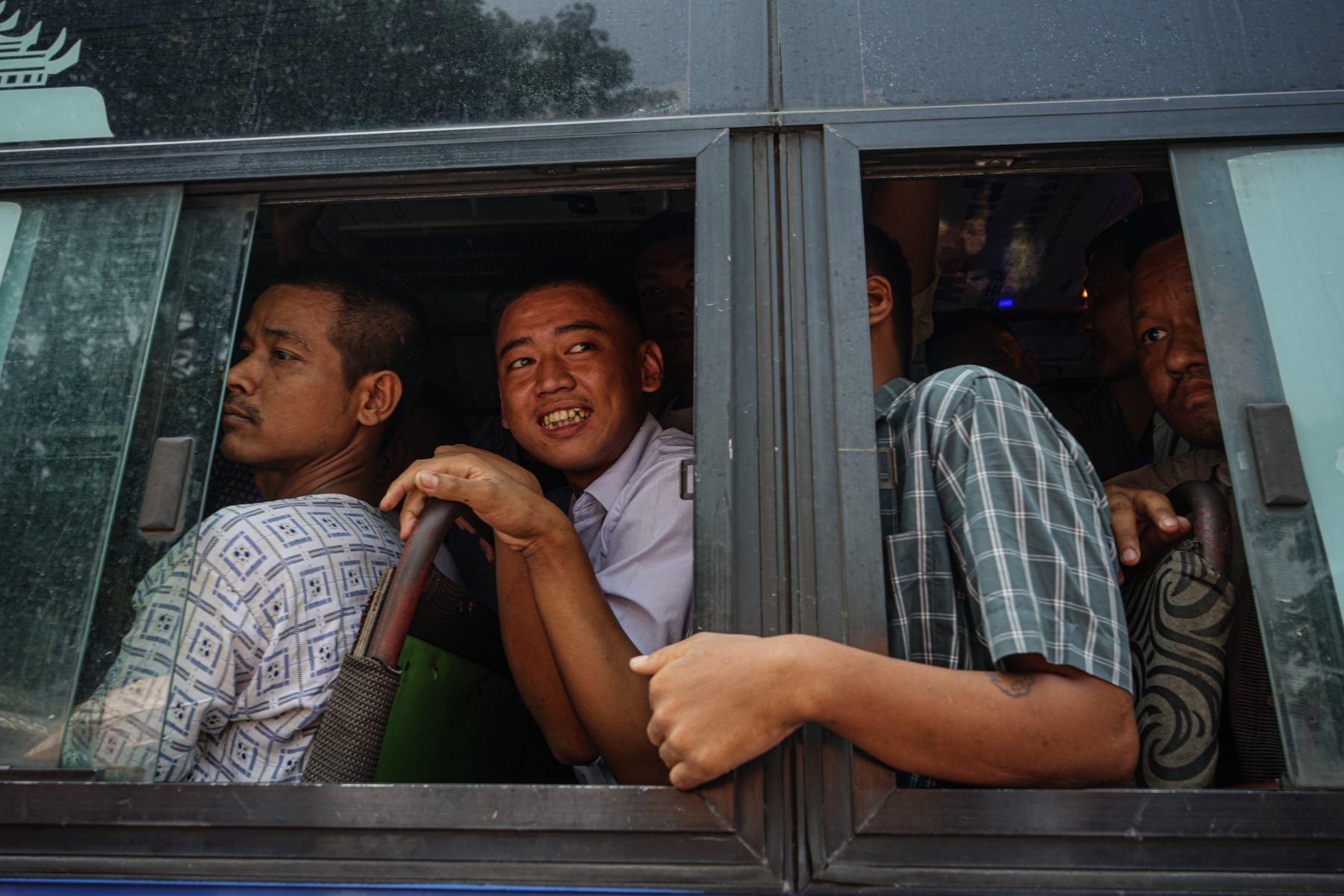
Images captured by the Myanmar Pressphoto Agency (MPA) show crowds of hopeful relatives lining the road outside the prison gates from early morning. While some families cheered as YBS buses transported released inmates out of the complex, many others were seen leaving in silence, their loved ones nowhere to be found.
“We came here hoping to see my son, who was arrested for protesting,” one mother told MPA through tears. “But the buses are full of people we don’t recognize. Our people are still inside.”
Since the 2021 coup, Insein Prison has become a symbol of the junta’s crackdown on democracy. Thousands of activists, journalists, and ordinary citizens remain incarcerated under vaguely defined “incitement” and “terrorism” laws.
Observers describe today’s release as a “superficial gesture” by Senior General Min Aung Hlaing’s administration, aimed at deflecting international criticism while maintaining a grip on high-profile political opponents.
While the release of ousted President Win Myint has dominated headlines, the reality on the ground at Insein suggests that for the thousands of families of rank-and-file activists, the wait for justice—and freedom—continues.